




Table of Contents
Painting, art, music, AI unite in festival built around inclusion
ART is often expected to explain the person who created it. For artists with disabilities or neurodivergent conditions, that expectation can become a burden. Viewers look for diagnoses before colour, technique or imagination. The painting becomes secondary to the person behind it.
A growing number of Malaysian artists, families and mentors are trying to change that. Rather than asking audiences to admire paintings because of the challenges their creators face, they want the work to stand on its own.
That means talking about ideas before conditions, creativity before labels and ability before assumptions.
Janet Lee Gallery co-founder Joyce Moi, who founded the gallery in honour of her late daughter, believes audiences should first connect with the artwork itself.
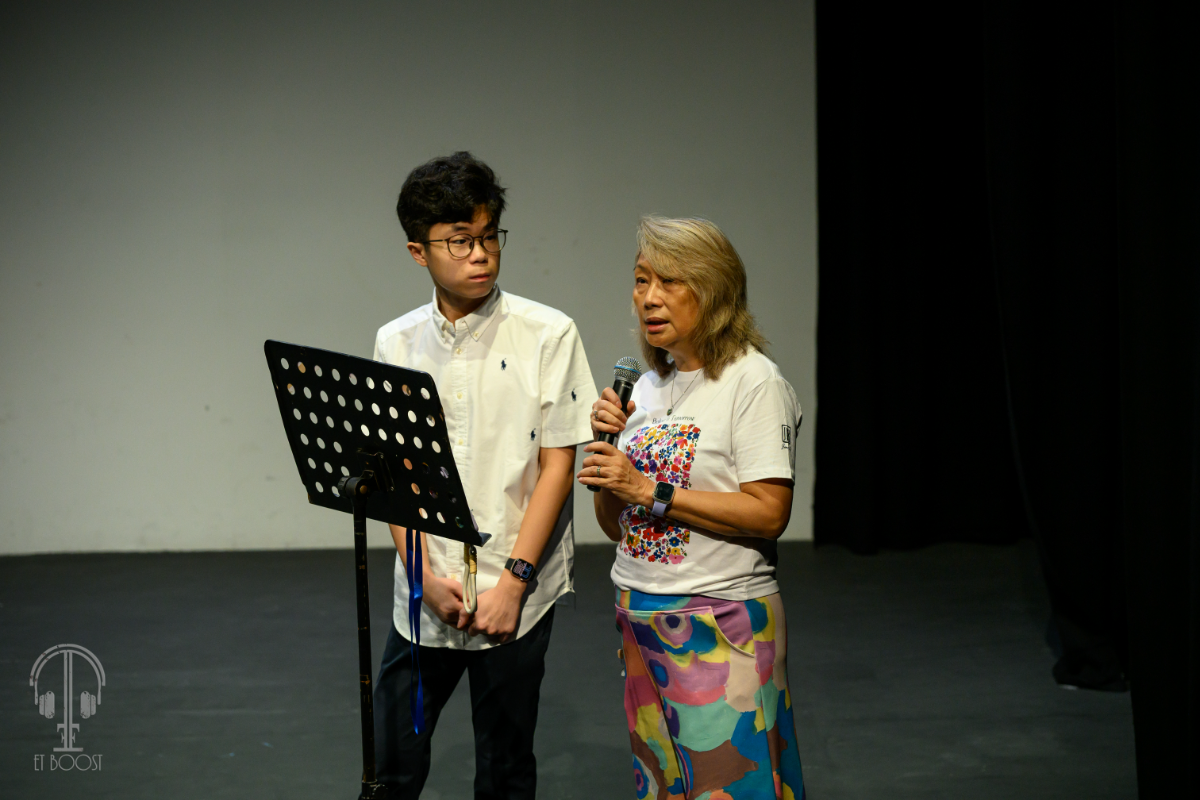
“If it is inclusive, why do we have to distinguish them?” she told theSun at The Human Spectrum Music & Art Festival 2026.
For Moi, biographies come second. What matters first is whether a painting speaks to someone.
More than a diagnosis
That philosophy can be seen in artists such as Chung Xin Kai, 23. His paintings imagine birds living peacefully in forests, communicating with one another and flying freely through nature. His horses roam open grasslands untouched by human control. They are quiet, optimistic scenes about freedom rather than explanations of his personal circumstances.
Ng Yi Shen, 35, approaches his work differently. He compares people to ants travelling across a constantly changing world.
“Even everywhere we go, like a train, we travel like that, still we can move, we can get used to the environment change,” he told theSun.
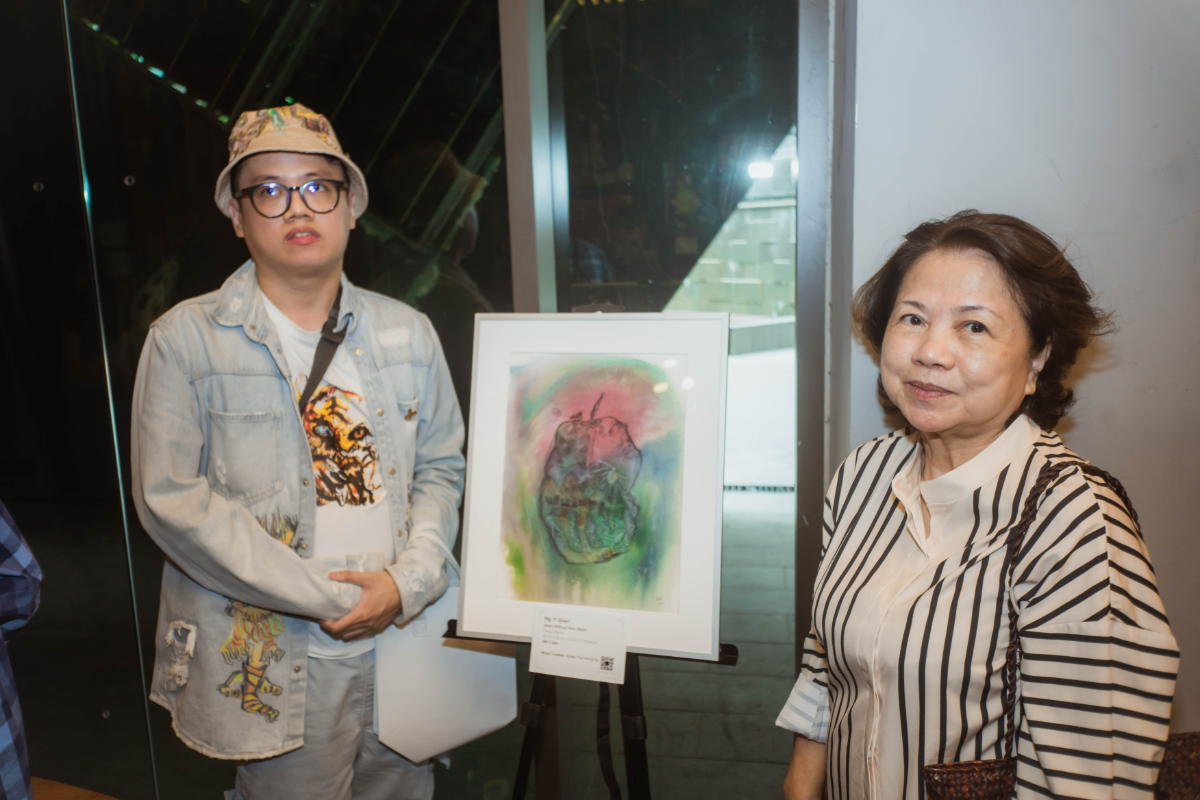
His own journey reflects that resilience.
Unable to speak or walk as a young child, Ng moved through multiple schools before graduating from university alongside his mother Angie Yong, who enrolled in the same degree programme to support him.
Despite earning a degree, Yong said employers often stopped responding once they learnt he was autistic. Art eventually became the career where his ability received more attention than his diagnosis.
Families behind the canvas
For many artists, creativity is also a family story.
Izzati Shahrin, 34, has painted since childhood. According to her mother Zuraini Anuar, painting is as routine to Izzati as eating or brushing her teeth. Her work has reflected current events, including Gaza and MH370, even when she struggles to express those thoughts verbally.
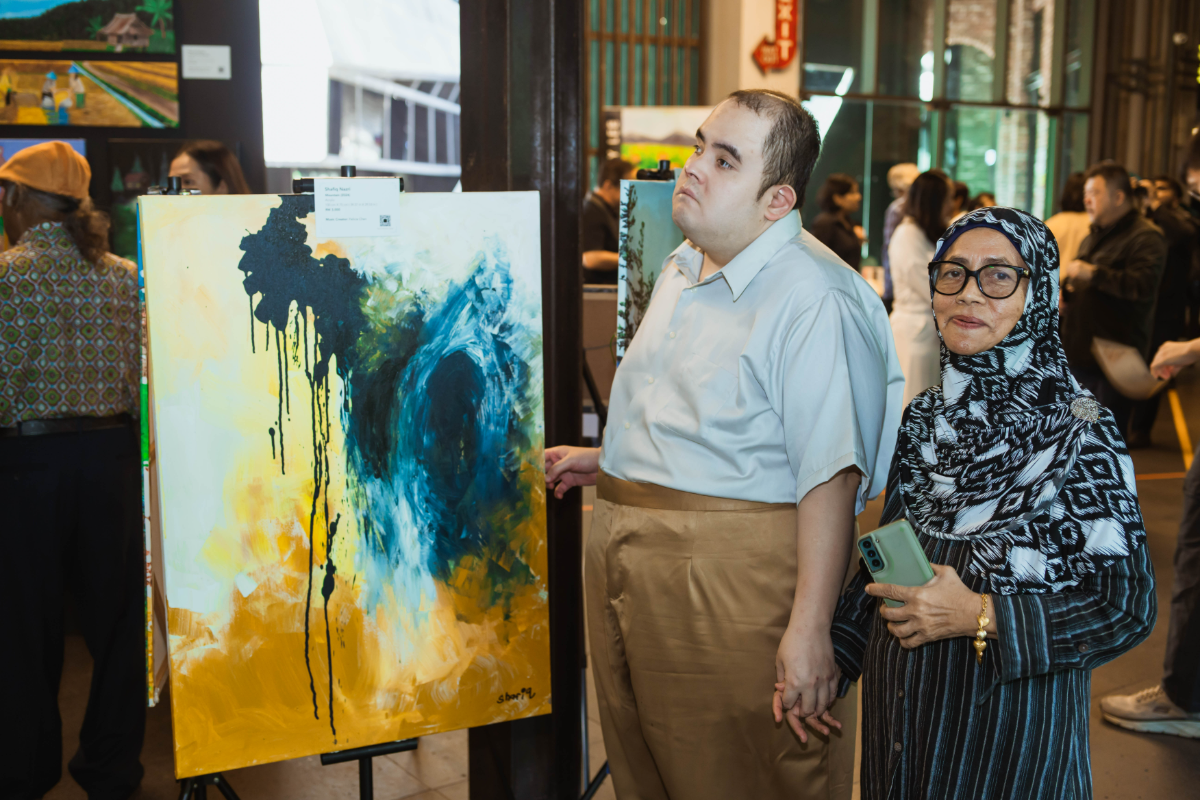
For Shafiq Nazri, 33, every painting begins without sketches or planning.
His mother Faridah Zainuddin said he paints directly onto the canvas using brushes and his fingers, relying on memory, instinct and mood while favouring bright colours.
Art also brought together mother and daughter Shasha MSaid. Shasha said watching her daughter paint at the age of seven inspired her to begin painting herself, turning a childhood hobby into something they now share.
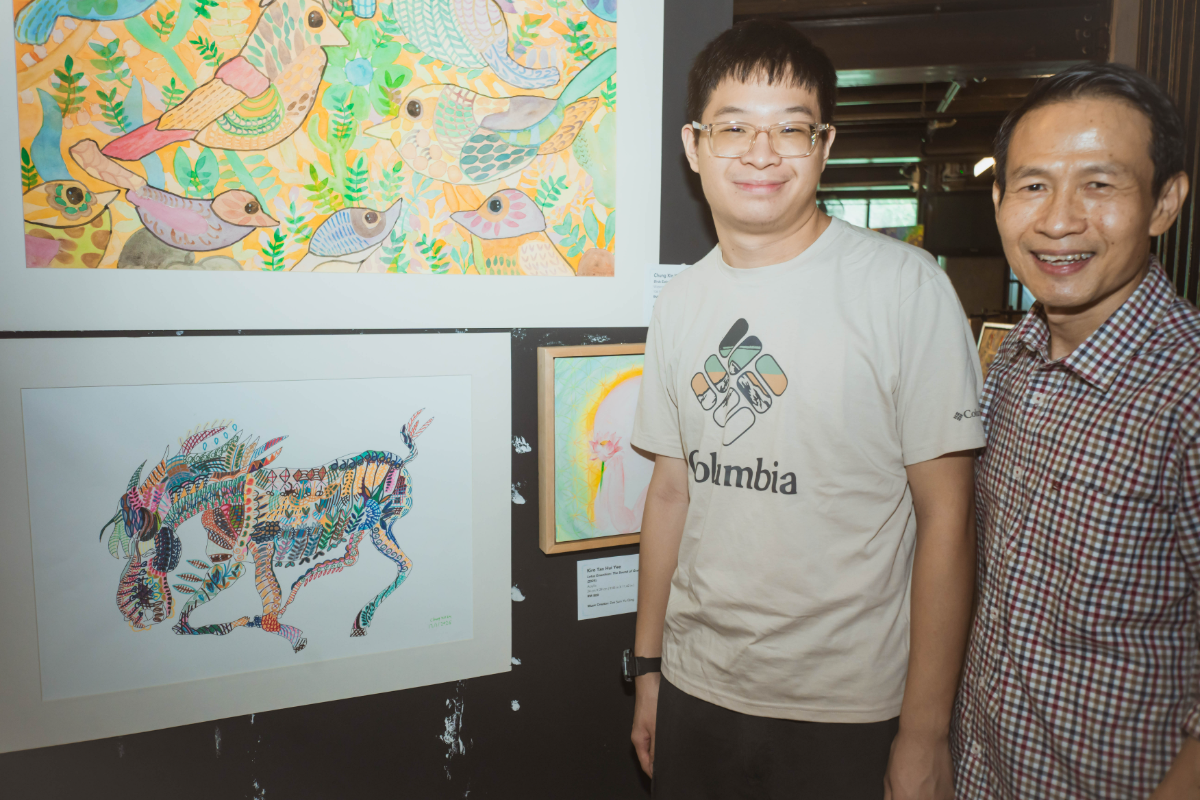
Meanwhile, Shana Lim, 22, found her own artistic path after discovering painting as a teenager, with her mother Yvonne Yap helping manage exhibitions and opportunities.
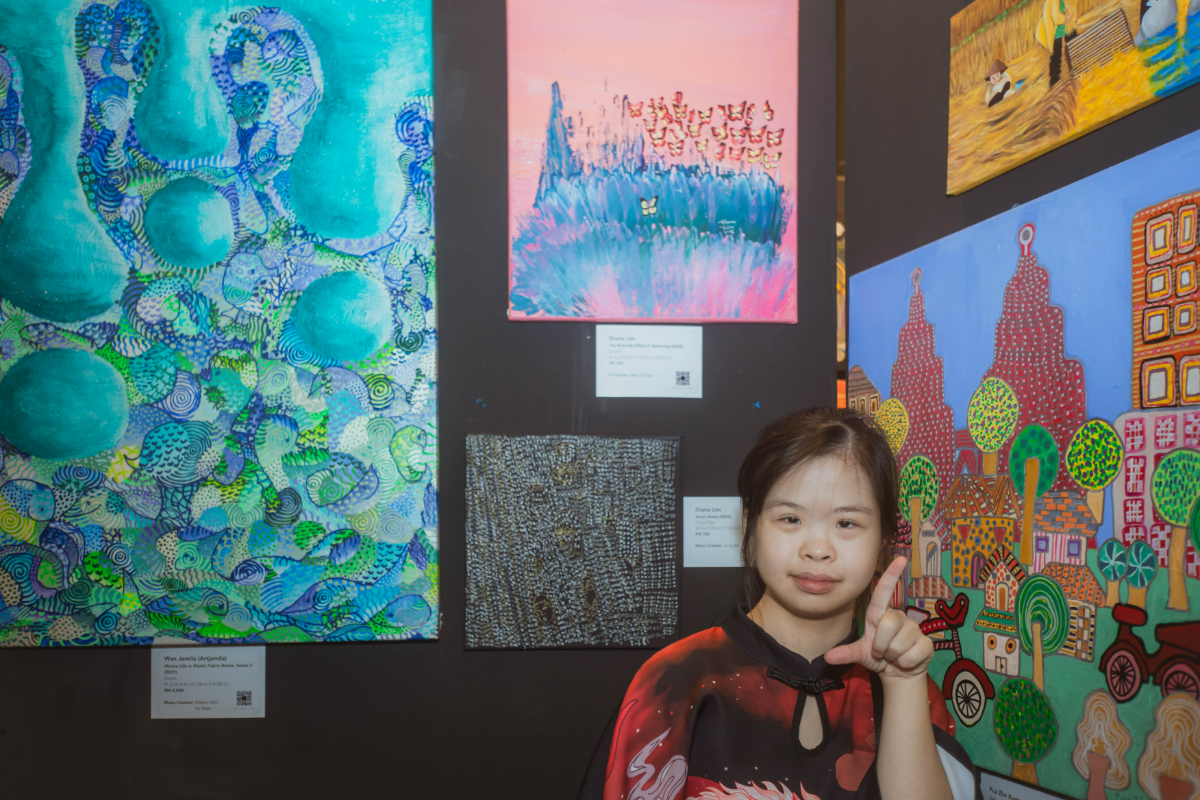
Stephanie Kuan’s dragonfly painting captures movement, colour and joy using acrylic paint and markers, imagining an enchanting forest filled with flowers.
Creativity has no age
The idea that art belongs only to the young is challenged by artist Siva Nair.
After spending 45 years in advertising, the 77-year-old returned to painting during the movement control order.
“I am 77 years old and I think it keeps me going. This art actually keeps me going,” he said.
His realism paintings have since been exhibited internationally, proving creative journeys do not always begin early.
Symphonia Child Development founder Dr Felicia Chen believes that same thinking should apply to neurodivergent artists.
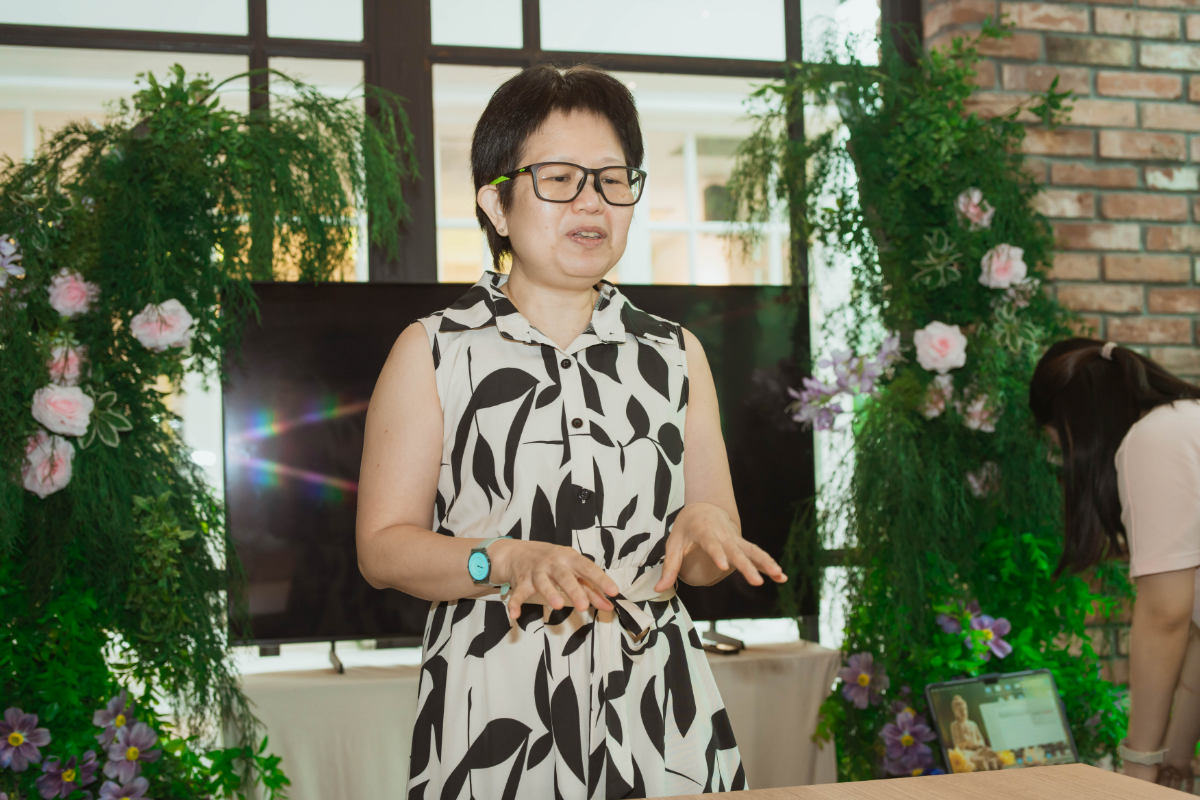
“They have their own creativity, their own thinking. It is just that we always ask them to follow how we behave. But have we ever tried to go into their world?” she said.
For the artists and families involved, the goal is not sympathy. It is recognition. A painting should first be judged by what it says, how it makes someone feel and the skill behind it. Everything else can come later.
READ MORE:
Malaysian Parenting: Exploring cultural traditions with your children
Gunpla: A creative hobby built to last
Why succulents fit so easily into modern urban homes



