




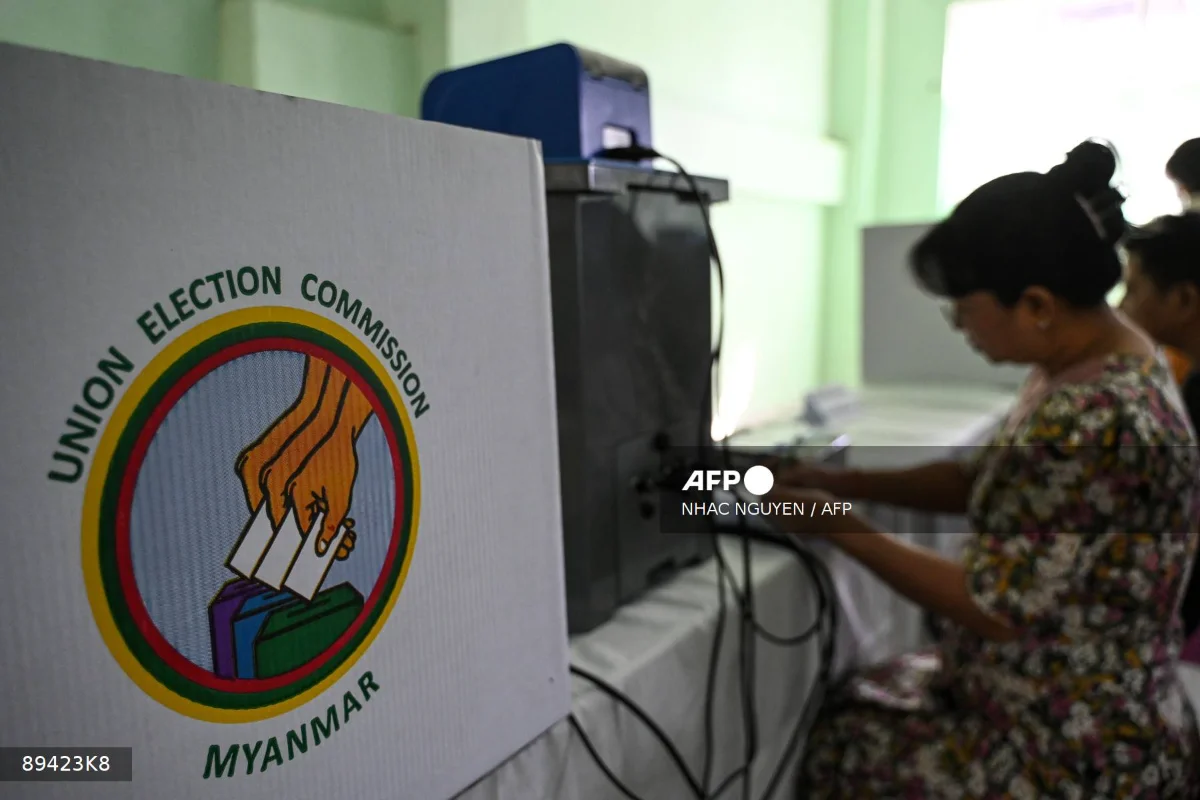
A party source says Myanmar’s pro-military USDP is winning a majority in the first phase of a junta-run election condemned by rights groups and Western diplomats
NAYPYIDAW: Myanmar’s dominant pro-military party is “winning a majority” in the first phase of junta-run elections, a party source said.
“The USDP is winning a majority of seats around the country according to different reports,” said a party official in the capital Naypyidaw, who requested anonymity.
Official results have yet to be posted by Myanmar’s Union Election Commission. Two more voting phases are scheduled for January 11 and 25.
The armed forces seized power in a 2021 coup but opened voting in a phased month-long election they pledge will return power to the people.
The massively popular but dissolved party of democratic figurehead Aung San Suu Kyi did not appear on ballots. She remains jailed since the military putsch which triggered a civil war.
Campaigners, Western diplomats and the United Nations’ rights chief have condemned the vote. They cite a stark crackdown on dissent and a candidate list stacked with military allies.
The military overturned the results of the last poll in 2020 after Suu Kyi’s National League for Democracy trounced the Union Solidarity and Development Party.
The military and USDP then alleged massive voter fraud, claims which international monitors say were unfounded.
Military chief Min Aung Hlaing said the armed forces could be trusted to hand back power to a civilian-led government. “We guarantee it to be a free and fair election,” he told reporters after casting his vote.
“It’s organised by the military, we can’t let our name be tarnished,” he added.
The military’s coup triggered a civil war as pro-democracy activists formed guerrilla units. They fight alongside ethnic minority armies which have long resisted central rule.
Sunday’s election was scheduled to take place in 102 of the country’s 330 townships. This was the largest of the three rounds of voting.
Amid the war, the military has acknowledged that elections cannot happen in almost one in five lower house constituencies.



