




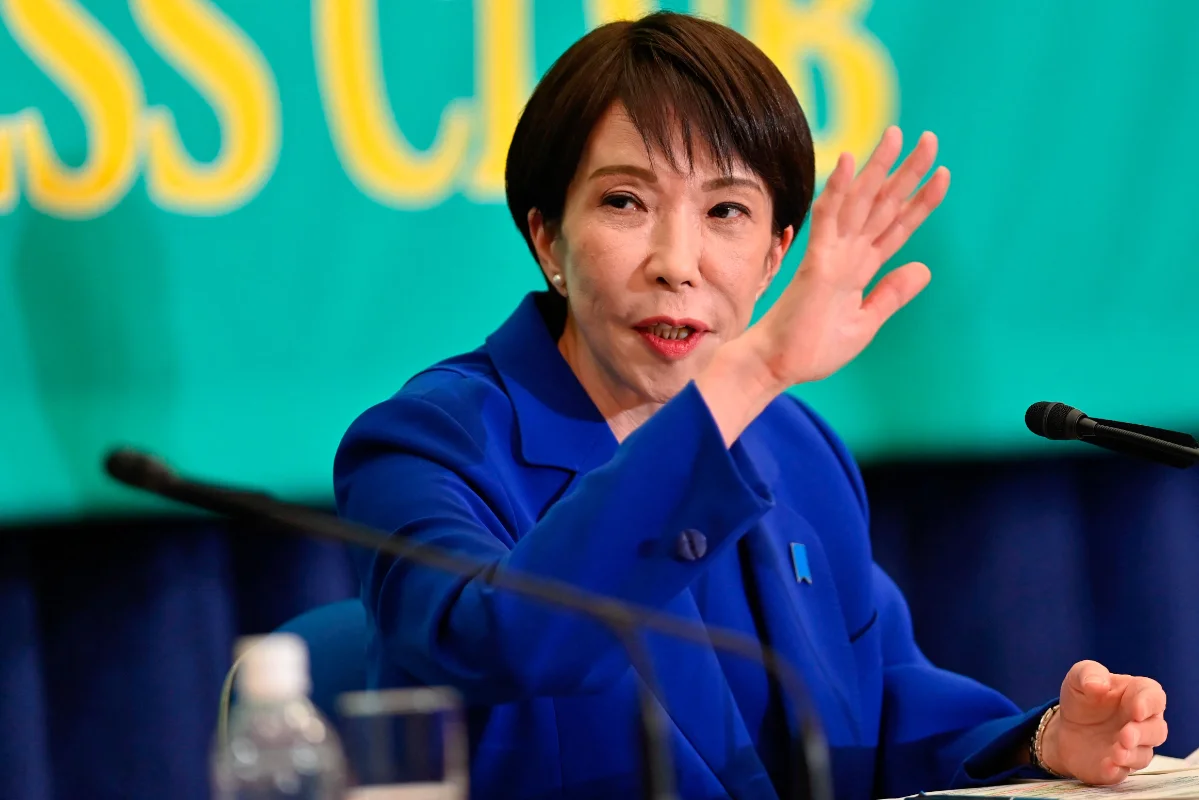
Japanese Prime Minister Sanae Takaichi’s approval rating has fallen as voters express scepticism over her tax-cut plans and frustration at a snap election call.
TOKYO: Prime Minister Sanae Takaichi’s approval rating has fallen from its sky-high level as voters question how she will pay for a major tax-cut pledge.
A weekend survey by the Nikkei newspaper showed her government’s approval fell to 67% from 75% in December, dropping below 70% for the first time since she took office last October.
The dip follows criticism of her abrupt call for a snap election on February 8, just over a year after the last lower-house election.
Takaichi, Japan’s first woman prime minister, says the election is necessary to gauge public support for her and her new coalition government.
She formed a coalition between her ruling Liberal Democratic Party and the Japan Innovation Party three months ago to gain a slim majority.
A key campaign pledge is to waive the consumption tax on food for two years to combat rising prices.
But 56% of respondents in the Nikkei poll said they did not think a zero tax rate on food would be effective.
The business daily also noted she has not offered details on how to pay for the measure.
A similar weekend poll by the Mainichi Shimbun showed Takaichi’s approval rating dropping to 57% from 67% in December.
The Mainichi said many people were frustrated the snap election slowed legislative debates on the new government budget.
Japan’s fiscal year ends in March.
The top-selling Yomiuri Shimbun’s latest poll also showed the government’s popularity falling four points to 69%.
Many respondents said they hoped to see more economic programmes to deal with soaring prices.
Takaichi will join opposition leaders for a televised policy debate.



