




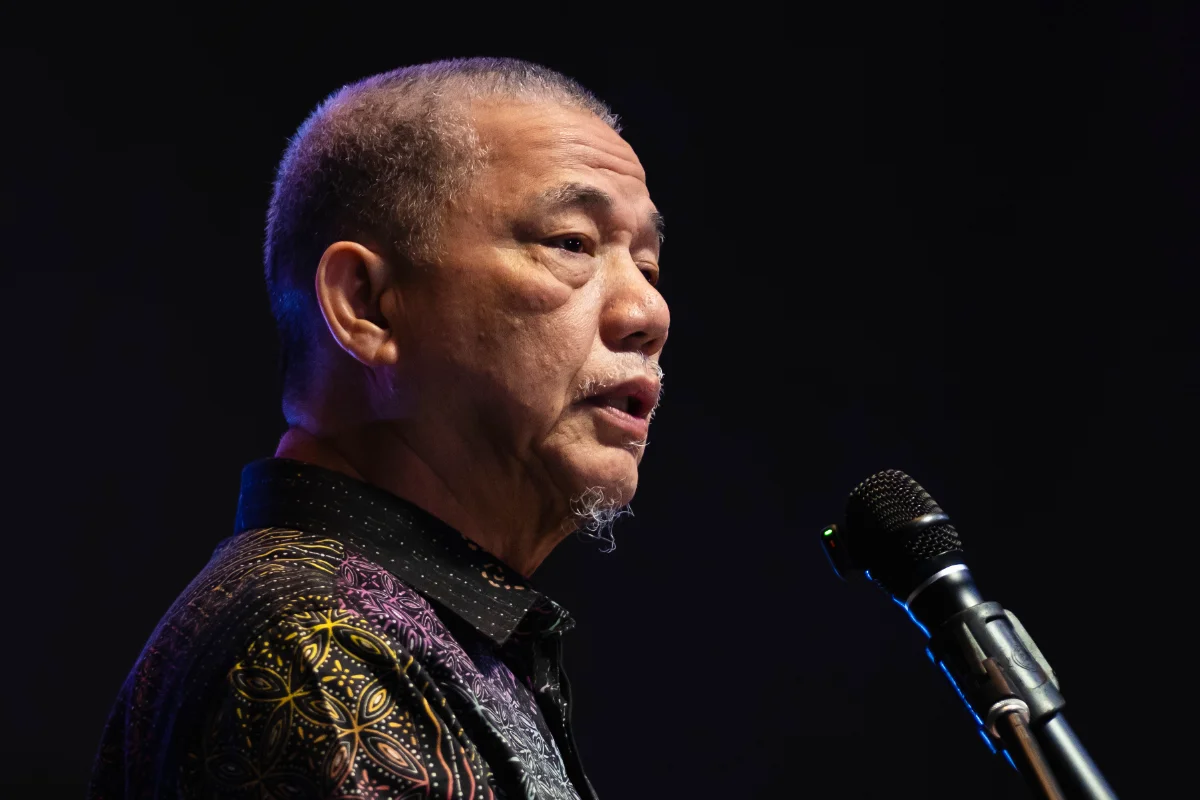
Malaysia aims to boost its installed renewable energy capacity to 32% this year, progressing towards a 70% target by 2050 under its national roadmap.
KUALA LUMPUR: Malaysia is committed to reaching a 32% installed renewable energy capacity this year, Deputy Prime Minister Datuk Seri Fadillah Yusof said.
The country had achieved 31% installed RE capacity as of December 2025. The government aims to increase this by one percentage point annually until it reaches 35% by 2030 or earlier.
Fadillah, who is also the Minister of Energy Transition and Water Transformation, outlined the plan after appearing as a guest on Bernama Radio. “InsyaAllah, we will achieve this through all the programmes we have introduced, including battery storage and so on,” he told Bernama.
The RE mix consists of sources such as solar, biogas and biofuels. Under the National Energy Transition Roadmap, Malaysia aims to reach 70% RE capacity by 2050.
Fadillah said the country is committed to no longer using coal by 2044. Currently, about 40 to 50% of Malaysia’s energy use is based on gas.
“That is why we are now introducing a lot of large-scale solar and rooftop solar to encourage more use of renewable energy,” he said. A tender for a sixth large-scale solar project will also be opened this year.
Besides solar, Malaysia is looking at a mix of other energy sources to ensure sufficient future supply. “For biodiesel, we have agreed to increase the blend of palm oil in diesel to 12%,” Fadillah added.
He also confirmed Malaysia is studying the potential of using nuclear power. Studies have been carried out, and the country now needs to enter international agreements and conduct thorough assessments.
“In Peninsular Malaysia in particular, there is insufficient baseload supply,” Fadillah explained. He noted solar is intermittent and the current baseload is gas, which relies on volatile imports.
“So we need a mix… That is why the world is now looking at nuclear power,” he said. He cited the Philippines and Vietnam as neighbours who have decided to include nuclear energy.
Fadillah highlighted that Sabah and Sarawak face different energy challenges. Sabah relies heavily on expensive diesel, while Sarawak already derives about 70% of its power from renewable sources.



