




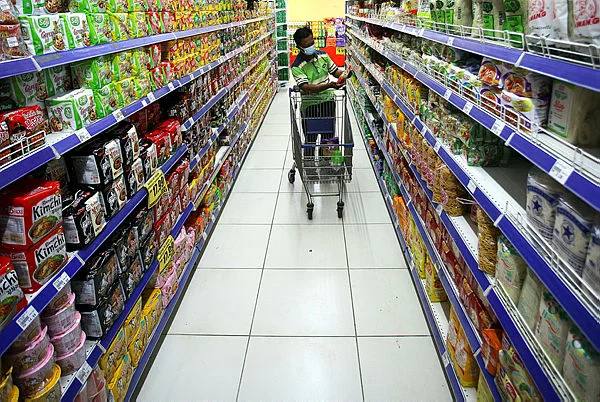
CAP raises concern over imported food ingredients entering Malaysia without independent scrutiny, calling for improved oversight.
PETALING JAYA: A consumer group has flagged a potential gap in Malaysia’s oversight of imported food, following reports that more than 100 food-related chemicals entered the United States market without formal review.
The Consumers’ Association of Penang (CAP) said the issue, highlighted by the Environmental Working Group (EWG), points to weaknesses in the US food safety system that could also affect countries such as Malaysia.
In a statement, CAP said the substances were approved under the Generally Recognised As Safe (GRAS) system, which allows companies to determine whether certain ingredients are safe without having to inform the US Food and Drug Administration (FDA).
CAP president Mohideen Abdul Kader said that while the system is legal, it raises concerns about transparency and oversight, especially in today’s global food supply chain.
“Decisions made in one country can affect many others,” he said, noting that Malaysia imports large quantities of processed and packaged foods.
He stressed that the issue is not that these ingredients are proven to be harmful, but that some may enter the market without independent checks.
Malaysia’s food safety system — governed by the Food Act 1983 and the Food Regulations 1985 under the Health Ministry — is generally strong, with strict rules on labelling and approved additives.
However, CAP said Malaysia, like many countries, depends heavily on documentation and certifications from exporting countries when approving imported food.
“It is neither practical nor feasible to conduct full toxicological reassessments of every ingredient.
“This creates a potential blind spot. Ingredients self-certified as safe in their country of origin, and not explicitly prohibited under Malaysian law, may enter the domestic market without independent scrutiny.
“Malaysia may therefore be indirectly relying on foreign regulatory systems, even where industry self-approval is permitted,” Mohideen said.
He added that this is more common in highly processed and “health” foods, which often contain new additives, plant extracts or bioactive ingredients marketed for their benefits.
While many of these may be safe, CAP said the lack of independent review creates uncertainty, especially as Malaysians may consume them differently or in larger amounts.
Importantly, CAP stressed that “unreviewed” does not mean “unsafe”, as most food safety decisions are based on risk and safe limits.
“The real question is who decides what is safe, and how transparent that process is,” Mohideen said.
To improve the system, CAP called for clearer disclosure of imported food ingredients and stronger monitoring of products already on the market.
It also urged consumers to be more mindful of what they eat, suggesting a shift towards less processed food — without causing unnecessary fear.
At the same time, CAP said there is a need for better global coordination and transparency in how food ingredients are approved.
“The broader lesson is that food safety is an evolving process. As Malaysia’s food supply becomes more diverse, maintaining a credible, transparent and science-based system will be key to protecting public health and sustaining consumer trust.”



