




With senior citizens already making up 15% of the state’s nearly three million residents—approximately 450,000 people—Sarawak is currently the fastest-ageing state in Malaysia.
KUCHING: The Sarawak government is working urgently to establish affordable community and palliative care services, as the state prepares for a demographic shift that will see 16% of its population aged 60 and above by 2028.
With senior citizens already making up 15% of the state’s nearly three million residents—approximately 450,000 people—Sarawak is currently the fastest-ageing state in Malaysia.
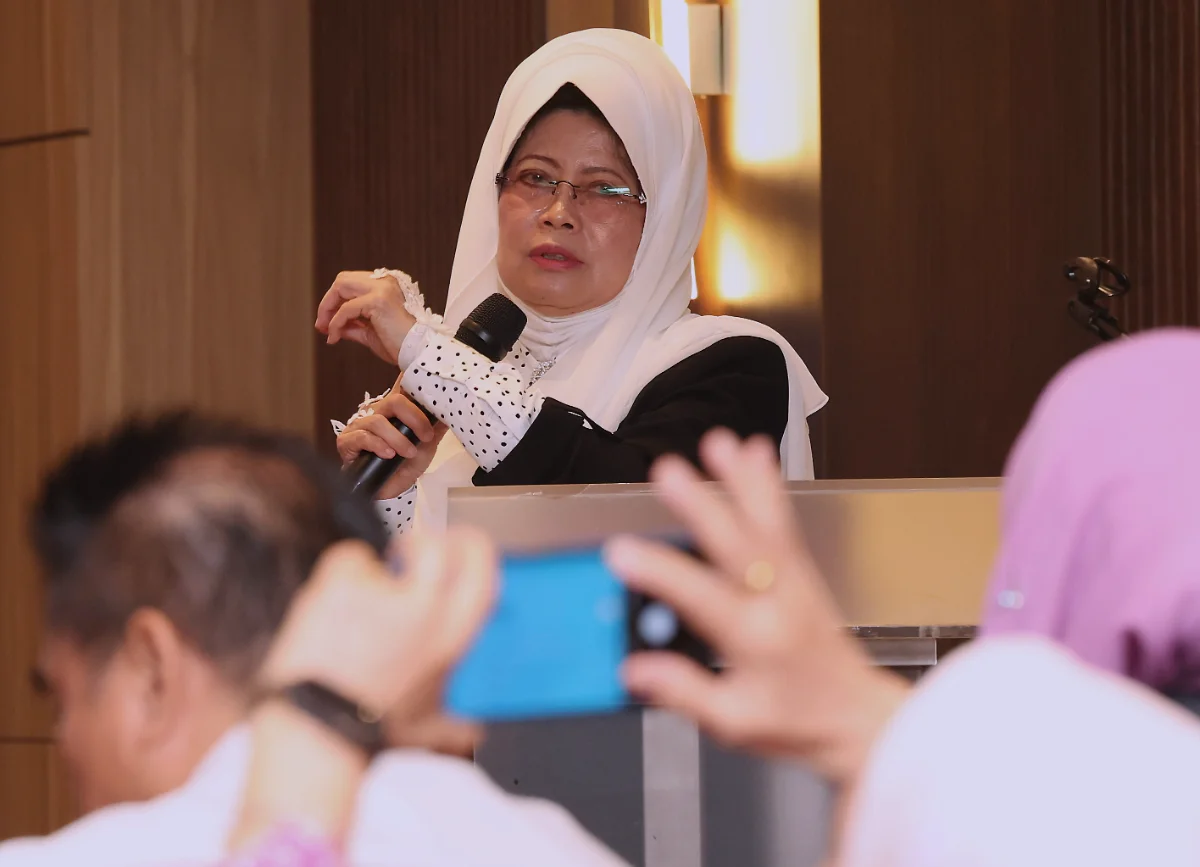
State Women, Childhood and Community Wellbeing Development Minister Datuk Seri Fatimah Abdullah emphasised the necessity of training a dedicated, professional workforce to manage the surge in elderly care and palliative needs.
“Sarawak urgently needs to train a specific pool of affordable professionals specialising in elderly care and palliative support for seniors grappling with serious illnesses,” she said during a visit to the Rumah Seri Kenangan welfare centre in Kuching.
Fatimah pointed out that many families now prefer to care for their elderly relatives at home due to the prohibitive costs of private healthcare.
“These services must be made affordable, as more members of the community are struggling to cope with the increasing costs of private providers,” she added.
To address the shortage, the state has launched a specialised training programme at the Sarawak Centre of Technology Excellence (CENTEXS) in the Dalat district.
The initiative aims to encourage more young people to take up professional courses in geriatrics and palliative care.
The Minister stressed that the demand for these services is not confined to urban centres, but is increasingly critical in rural districts, where approximately one million Sarawakians reside.
Sarawak is expected to be officially categorised as an “aged state” within the next two years.
Fatimah warned that current infrastructure and programmes are insufficient to meet the looming demand.
“There are currently not enough facilities or programmes in Sarawak to ensure adequate care for our senior citizens. We must overcome these weaknesses by drawing up specific policies on community care,” she stated.
Fatimah assured that her ministry is treating the situation with the utmost gravity.
“We need to prepare our people to care for a population that includes more elderly seniors every year. My ministry is looking at these prevailing situations seriously to ensure no one is left behind as we transition into an aged society,” she said.



