




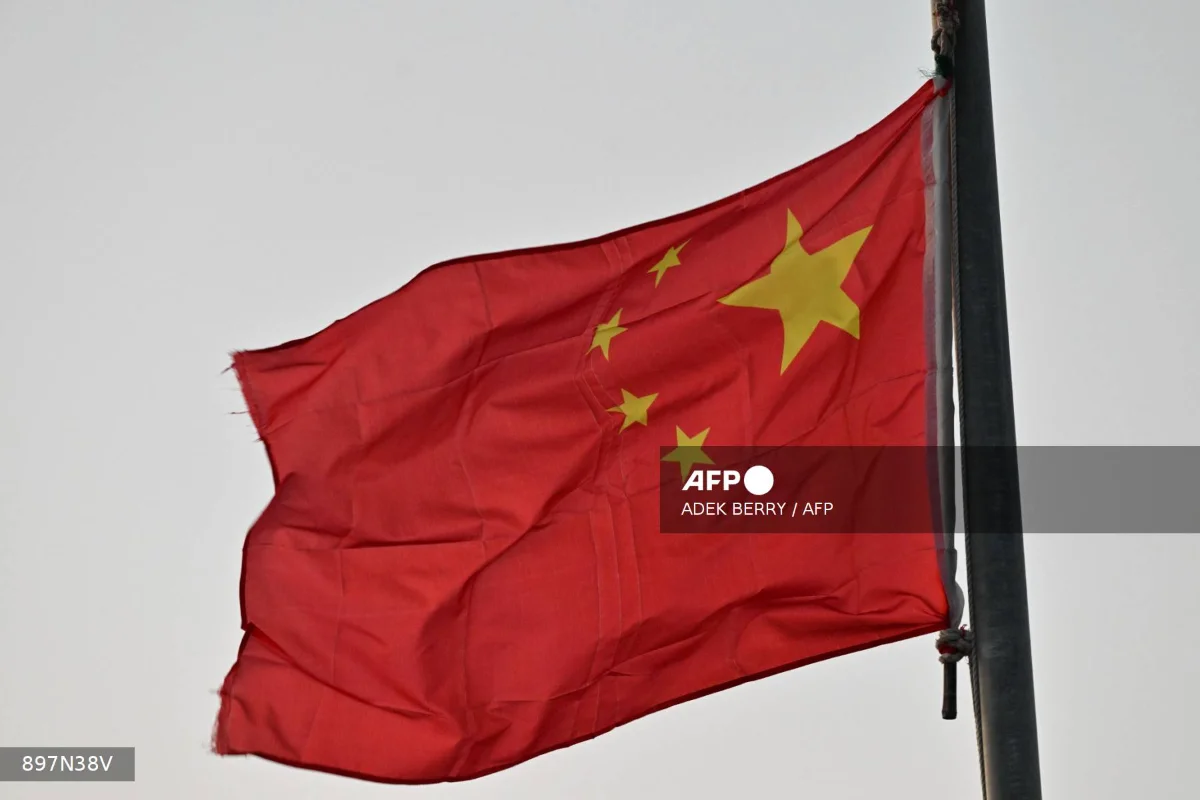
Beijing says Iran’s leadership choice is a domestic matter and opposes any threats against new supreme leader Mojtaba Khamenei.
BEIJING: BEIJING: China stated its opposition to any targeting of Iran’s new supreme leader, Mojtaba Khamenei, following his appointment. Foreign ministry spokesman Guo Jiakun said Iran’s decision was made “based on its constitution”.
Guo emphasised China’s stance against interference in other countries’ internal affairs under any pretext. He added that Iran’s sovereignty, security, and territorial integrity should be respected.
The statement comes after Israel’s military threatened to target any successor to the late Ali Khamenei. The former supreme leader was killed in initial US and Israeli strikes on Iran.
US President Donald Trump had previously dismissed Mojtaba Khamenei as a “lightweight”. He had insisted on having a say in appointing a new Iranian leader.
Military exchanges have continued, with Israel and the US pounding Iranian targets. Tehran has retaliated with missile and drone attacks on Israel and Gulf neighbours hosting US forces.
Beijing, a close partner of Tehran, condemned the killing of the former supreme leader. However, it has also criticised the Iranian strikes against Gulf states.
China’s envoy to the Middle East, Zhai Jun, urged de-escalation during talks with Saudi Arabia’s foreign minister. “China urges all parties to immediately cease military operations, prevent further escalation of tensions, and avoid causing greater harm to the people of regional countries,” Zhai said.
Foreign Minister Wang Yi stated that the war “should never have happened” and called for an end to fighting. The conflict threatens global energy security, trade, and China’s oil supplies.
Over 80% of Iranian oil exports went to China last year, according to analytics firm Kpler. This accounted for about 13% of China’s total seaborne oil imports.
More than half of China’s total seaborne crude imports last year came from the wider Middle East. This makes China highly dependent on transit through the Strait of Hormuz.



