




Young Johoreans are not automatically pro-government or pro-opposition. They are increasingly pragmatic, transactional and performance-oriented.
THE 16th Johor state election will not be decided solely by party loyalty, political personalities, or national-level controversies. It will also be shaped by a younger generation of voters who increasingly judge candidates through a practical question:
What can you deliver for my life, my family and my future?
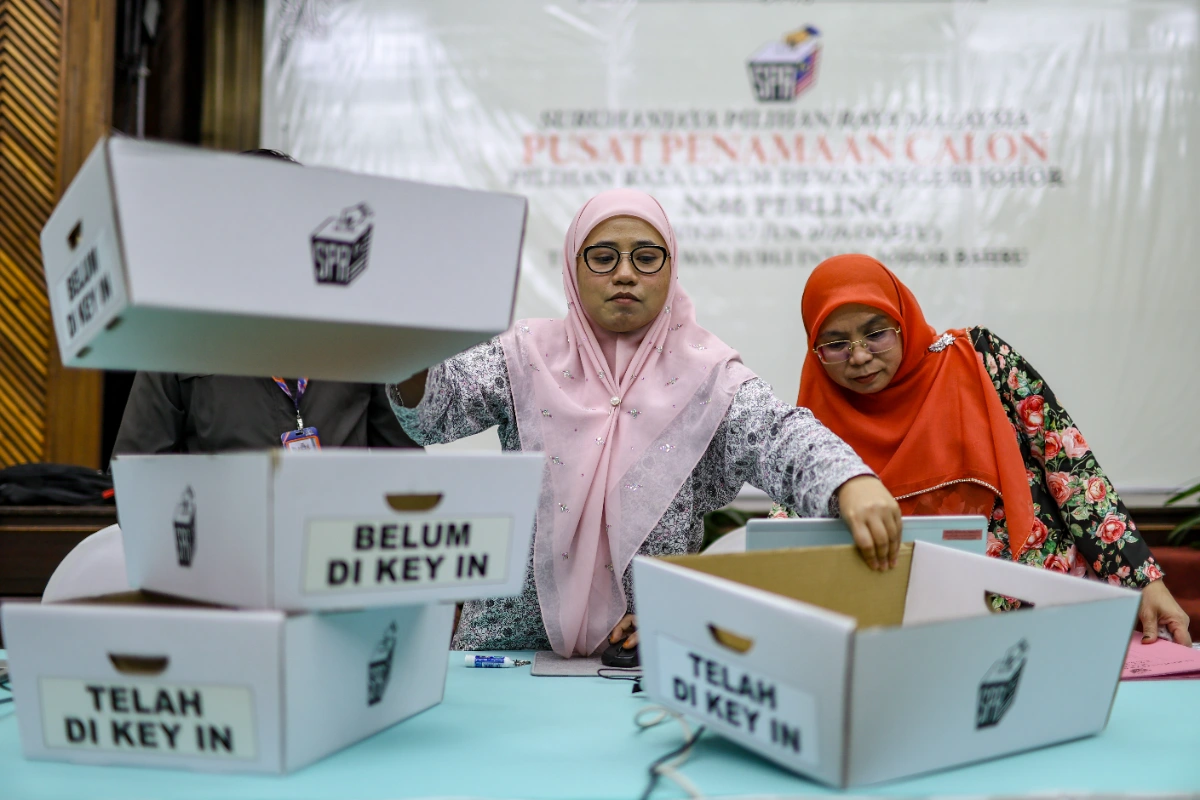
With 172 candidates competing for 56 seats, including numerous multi-cornered contests, voters face a crowded and fragmented political field. Polling is scheduled for July 11 July, with more than 2.7 million eligible voters.
From the perspective of voters aged 30 and below, the likely outcome is not a dramatic youth-driven political wave.
Barisan Nasional enters the contest with the advantages of incumbency, organisation and an established state machinery. It therefore remains the frontrunner to form the next Johor government. However, its margin should not be taken for granted.
Urban and semi-urban constituencies, particularly those with large numbers of younger, educated and mobile voters, will be more competitive.
Multi-cornered contests could divide opposition votes, but dissatisfaction over wages, housing and living costs could also reduce support for incumbents in marginal seats. Seven constituencies that were won narrowly in 2022 have already been identified as important battlegrounds.
Young Johoreans are not automatically pro-government or pro-opposition. They are increasingly pragmatic, transactional and performance-oriented.
Unlike older voting blocs that may possess stronger historical or emotional attachments to particular parties, younger voters are more willing to compare candidates, change preferences and even abstain when no option appears convincing.
Their priorities are straightforward.
First, candidates must present a credible plan for higher-quality employment and better wages. Johor’s economic growth, including investment linked to Johor Bahru, Singapore and major development zones, means little if local graduates remain trapped in low-paying jobs or feel compelled to work across the border. Economic growth must translate into career progression, skills development and salaries that keep pace with rising living costs.
Second, young voters need genuinely affordable housing, not merely impressive launch numbers. Eligibility rules, deposit requirements, location, transport access and monthly repayments must reflect the realities faced by first-time buyers. Concerns about uneven development, wages and housing affordability are already prominent in this election.
Third, Johor requires an integrated public-transport policy. The RTS Link may improve cross-border mobility, but younger voters also need reliable buses, first- and last-mile connections and affordable transportation between residential, educational, and employment centers.
Questions over whether major transport projects will remain affordable to ordinary workers must be answered clearly.
Candidates must also offer stronger support for entrepreneurship, digital industries, technical education, mental health, sports facilities and transparent local government. Policies should serve youths in Muar, Batu Pahat, Kluang, Segamat, Kota Tinggi and rural districts—not only metropolitan Johor Bahru.
Ultimately, young voters want Bangsa Johor to represent more than a slogan. It must mean shared prosperity, racial inclusiveness, competent administration and opportunities distributed across the state.
The party that understands this will gain more than votes. It will gain the confidence of a generation that is loyal not to political symbols, but to measurable results.



