




IN Riyadh, 98% of daily trips are made using private vehicles. In contrast, Berlin sees 70% of its trips completed without cars, with people choosing to walk, cycle or use public transport. While it is easy to blame the heat, the real issue lies not in the climate but in the design.
Cities like Cairo, Riyadh and Dubai are built for cars. Cairo’s average one-way commute is 48 minutes, and only 17% of Dubai’s residents walk daily. Meanwhile, cities like Berlin (30%), London (25%), and New York (40%) show that walkability is possible through thoughtful planning, not by chance.
Malaysia faces a similar challenge.
In cities such as Kuala Lumpur, Johor Bahru and Penang, car dependency has become the norm. According to the World Bank, over 93% of Malaysian households own at least one car, with many owning two.
While public transport is expanding, it is still seen as inconvenient. Walking and cycling remain unsafe or impractical due to poor infrastructure, narrow sidewalks, faded crossings and a lack of shade. In many areas, simply choosing to walk feels uncomfortable, if not impossible.
Hidden costs of car dependency
At first glance, car-centric cities may seem efficient, with wide highways and ample parking creating an illusion of convenience. However, the hidden costs are substantial. Long commutes, common in cities like Kuala Lumpur, increase stress, reduce family time and lower productivity.
Car dependency also isolates communities, limiting mobility for those without vehicles and weakening social interaction and local economies. Streets built for cars discourage walking, which can negatively impact public health.
In areas where walking is rare, obesity rates are up to 30% higher. Malaysia already records the highest obesity rate in Southeast Asia and our urban design is a contributing factor.
When walking becomes inconvenient or unsafe, active lifestyles decline, leading to increased risks of diabetes, heart disease and other chronic illnesses.
The result? Higher healthcare costs and a reduced quality of life. Cities must shift towards people-first designs to promote health, inclusion and overall urban well-being.
Not culture but planning
A common argument in Malaysia is that our climate makes walking impractical. With temperatures often soaring above 33°C and humidity at 80%, who would want to walk?
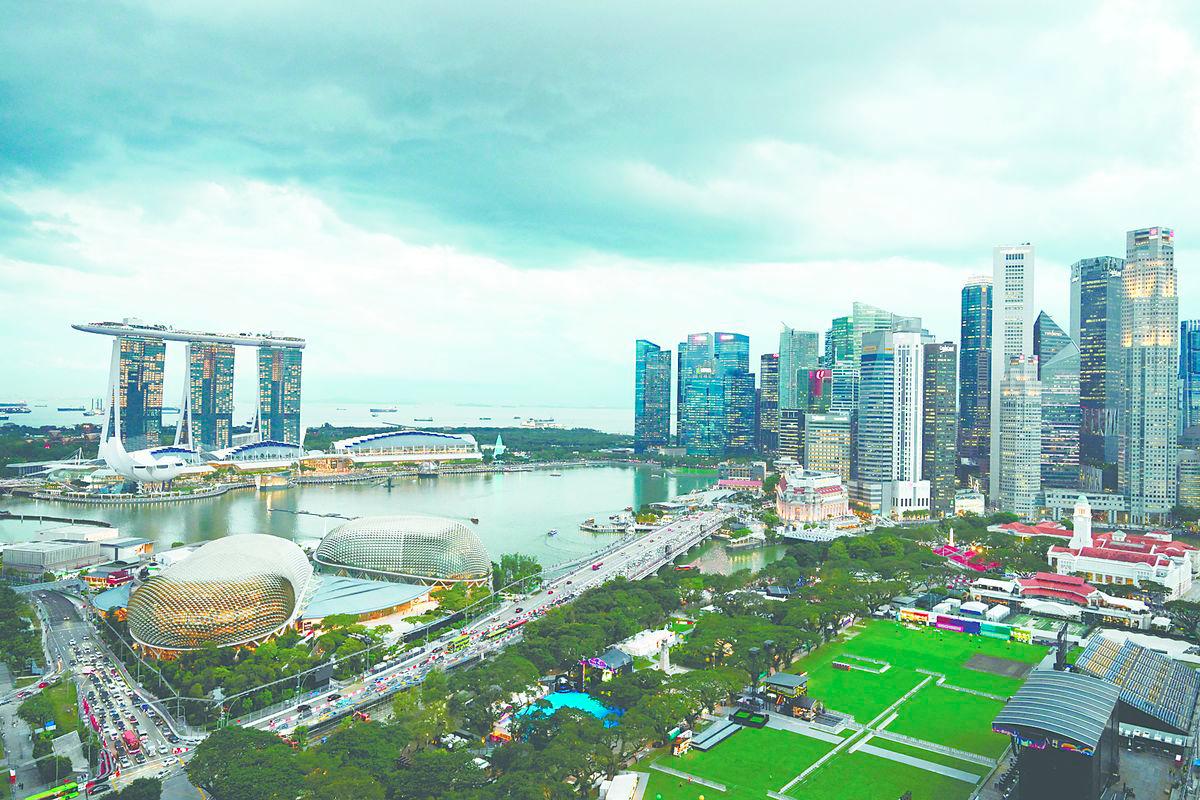
However, this is not unique to Malaysia. Singapore, with a climate similar to Malaysia’s, has succeeded in encouraging walkability and public transport usage.
The difference lies in thoughtful urban planning where shaded walkways, connected public transport, proper signage and pedestrian-friendly zoning are provided to the public. The climate is not the barrier but poor design is.
Good city planning makes walking not only possible but attractive. It encourages the creation of mixed-use neighbourhoods, where homes, shops, schools and workplaces are within
walking distance.
It means designing shaded, tree-lined streets, installing seating and ensuring safe crossings. A people-focused design does not eliminate cars but it ensures they do not dominate.
Role of municipal councils
While federal initiatives like the MRT (mass rapid transit), LRT (light rapid transit) and BRT (bus rapid transit) projects in the Klang Valley are steps in the right direction, the real agents of change are at the local level, namely our municipal councils.
Local governments hold the key to shaping urban life. They oversee zoning, local road design, public spaces, pedestrian walkways and local enforcement.
Decisions about whether a community is walkable, has trees or benches or prioritises vehicles over
people are all made at the municipal level.
Yet, in many Malaysian cities, planning decisions continue to prioritise the convenience of vehicles over the comfort and safety of
pedestrians. Sidewalks are narrow or obstructed, public spaces are sparse
and zoning laws continue to separate residential, commercial and industrial areas, forcing people to drive even short distances.
For a truly liveable Malaysia, municipal councils must take a more active and people-centric role.
This includes:
– Building better walkways and bike lanes with safe crossings and continuous paths.
– Planting more shade trees along pedestrian routes.
– Redesigning public spaces for comfort, shade and community use.
– Supporting mixed-use zoning to reduce travel distances.
– Improving last-mile connectivity to and from public transport.
– Involving communities in urban planning decisions.
A better future starts with better design
Malaysia is now more urbanised than ever, with over 75% of its population living in cities – a figure that will only grow.
The real question is: Will we continue building cities that isolate, pollute and exhaust us or will we design places that foster connection, health and well-being?
The good news is that transformation is possible. Global cities have reimagined their futures through vision and political will.
Copenhagen, once car-dominated, is now among the world’s most bike-friendly cities. Seoul removed an inner-city highway to revive a river and public space. If they can do it, so can we.
We must shift our mindset. Mobility should not be about how fast we drive but how well we live. Walkable, green and inclusive cities are not luxuries but they are essential for a sustainable and thriving society.
As urbanist Jan Gehl said: “A good city is like a good party, you stay because you are enjoying yourself”.
Let us make Malaysian cities worth staying in.
Dr Shahrul Azman Abd Razak is a researcher and Islamic finance consultant.
Comments: [email protected]



