




PETALING JAYA: Research houses are upbeat on Malaysia’s renewable energy (RE) sector extending into 2026, citing sustained project awards from Tenaga Nasional Bhd (TNB), electricity demand from data centres and policy catalysts that are strengthening earnings visibility for developers and engineering, procurement, construction and commissioning (EPCC) players.
Rakuten Trade vice-president of research Thong Pak Leng said project flow from TNB is the backbone of earnings visibility for renewable energy and EPCC players.
“TNB’s rollout will remain the key driver for these companies, and as long as they continue winning contracts, cash flow should remain stable,” he told SunBiz.
Thong said Malaysia’s government has set an ambitious target of achieving 70% renewable energy capacity by 2050, up from the current 25%.
“To support this, TNB continues to award more EPCC contracts, and recent corporate news shows many such projects are being secured by companies.”
Thong suggested that the continuous flow of renewable energy projects and EPCC contract awards coming from TNB is a sustained pipeline. “This is an ongoing trend.”
He also pointed to the accelerating impact of data centre investments on Malaysia’s power demand, estimating that electricity requirements from the segment could reach 12.9GW by 2030.
Because of this, Thong said, Malaysia will need to upgrade its electricity grid and build more renewable energy capacity to ensure there is enough power to meet this demand reliably.
To support this rising demand, he added, TNB’s capital expenditure for the power grid is estimated at RM3 billion to RM3.5 billion in 2026, which is expected to underpin a steady pipeline of grid-related and renewable energy projects, providing continued earnings visibility for EPCC players.
Rakuten Trade maintained an overweight stance on the power, utilities and renewable energy sector, citing its earnings defensiveness, stable dividend yields of 3% to 5%, and long-term growth visibility anchored by Malaysia’s energy transition targets and structurally rising electricity demand.
Meanwhile, Kenanga Research said the first quarter of 2026 could be a busy and catalyst-rich period for the RE sector, driven by new solar tenders, policy developments and rising electricity demand from data centres.
The research house said the potential rollout of Large Scale Solar 6 bids in the current quarter would add to construction-award visibility as LSS5+ projects progressively move into the execution phase, sustaining momentum for EPCC players.
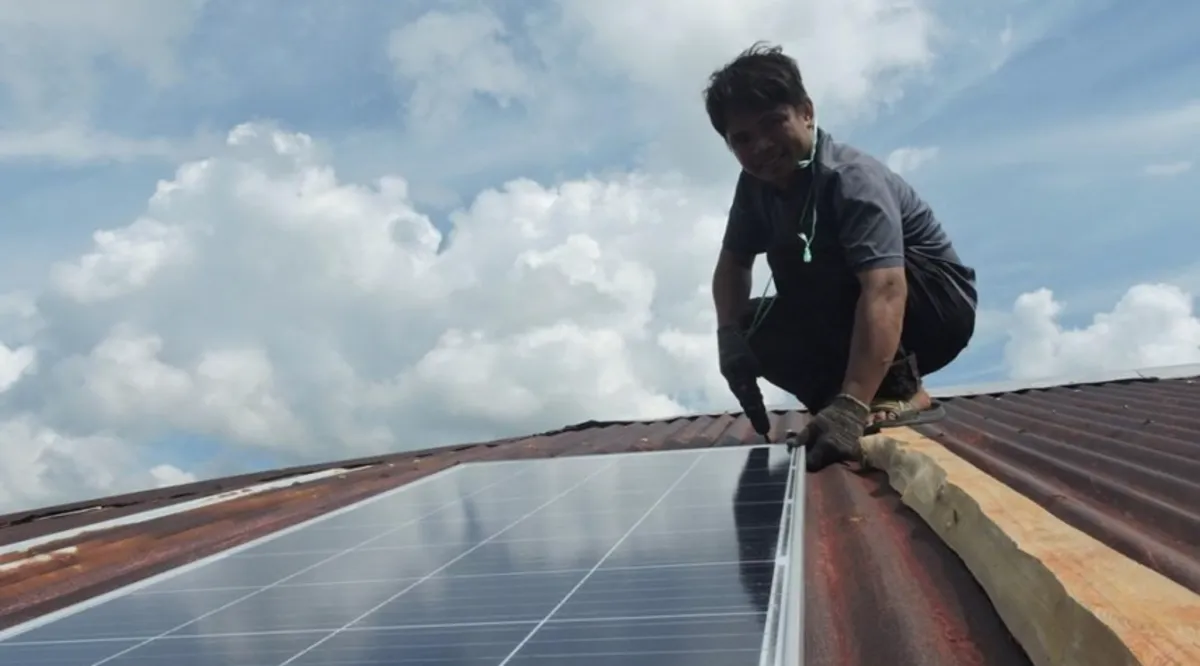
At the retail level, Kenanga said, the Solar for All at Premises (Solar Atap) programme unveiled at end-2025 to replace the expired Net Energy Metering 3.0 scheme is expected to reinvigorate rooftop solar adoption. Applications under Solar Atap commenced on Jan 1, 2026, providing a fresh trigger for demand from households and commercial users.
Beyond solar, bidding activity for an additional 300MW quota under the Feed-in Tariff mechanism is expected to begin this month, reinforcing the broader acceleration in renewable energy deployment as Malaysia advances its national energy-transition agenda.
Kenanga also highlighted TNB’s strong energy sales outlook, supported by rising demand from data centres with a combined capacity requirement of about 7.1GW.
The Corporate Renewable Energy Supply Scheme (Cress), which enables long-term power offtake at competitive rates, is seen as an attractive option for data centre operators, particularly ultra-high-voltage customers. As of June 2025, committed capacity under Cress had reached 1.3GW.
Spillover benefits from the data centre boom are expected across the electrical infrastructure value chain. Kenanga cited opportunities for players involved in switchgear and extra-low-voltage systems, naming Pekat Group Bhd as a potential beneficiary.
Execution capability remains a key differentiator, with Kenanga noting that companies able to scale quickly through partnerships and backed by proven delivery track records are likely to outperform. Corporates are also increasingly locking in solar panel prices to manage cost volatility.
Overall, Kenanga said the RE sector remains firmly in a fast-growth phase, with companies under its coverage expected to collectively deliver earnings growth of about 26% in FY26, supporting sector valuations of between 20 and 30 times earnings. It maintained its overweight call on the sector, naming Solarvest Holdings Bhd and KJTS Group Bhd as its top picks.
Kenanga added that discussions on a proposed climate change bill that is expected to provide clarity on carbon-tax implementation are understood to take place during the first parliamentary sitting of 2026, which could bolster policy support and investor interest in the sector.



