




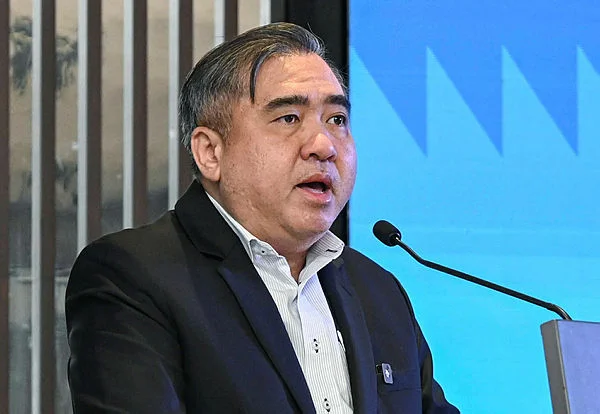
Long-term supply agreements for oil, gas and diesel for at least 20 years will provide stability to the logistics and transportation sectors, says the transport minister.
KUALA LUMPUR: Long-term supply agreements for oil, gas and diesel for at least 20 years will provide stability to the logistics and transportation sectors, said Transport Minister Anthony Loke Siew Fook.
He said energy supply stability is crucial for both sectors as they require certainty and continuous supply to ensure smooth operations. He added that energy supply stability is a government priority under current conditions and is supported by Malaysia’s neutral foreign policy approach and good relations with all countries.
“We take a bold approach in diplomacy with all countries, particularly major powers such as Russia, the United States and China. This approach helps ensure the country has access to sufficient and continuous energy resources and supplies,” he said at the Global Maritime Economy Conference 2026 today.
Earlier, Prime Minister Datuk Seri Anwar Ibrahim told the media in Penang that strategic cooperation with Russia can help ensure the country’s long-term energy supply. Anwar said Russian President Vladimir Putin had provided assurances on a long-term agreement to supply oil, gas and diesel to Malaysia for at least 20 years, reflecting the strong bilateral relationship and friendship between the two countries.
When asked about the impact of a 60-day sanctions relief for Iranian crude oil to be sold on the international market, Loke said the relaxation would increase oil supply in the global market and help stabilise oil prices.
“This development is seen as positive as it provides an opportunity to diversify oil supply sources. However, the current situation (the agreement between the United States and Iran) remains uncertain and subject to change, so we cannot assume that it is the final outcome.
“Therefore, the Malaysian government is taking a firm and clear approach by diversifying the country’s energy supplies and sources to ensure economic activities are not affected,” he added.
Meanwhile, Loke also said that the country’s airlines have remained resilient despite higher operating costs and a slight decline in the number of flights. “However, based on the figures we have seen, the impact on the number of flights in our country is very small compared with other countries, where airlines have suspended services to many destinations,” he noted.
The minister also highlighted that the ministry had held preliminary discussions with airlines on the matter. “This is a very important issue because the aviation sector is closely linked to the tourism and business sectors,” he said.



