




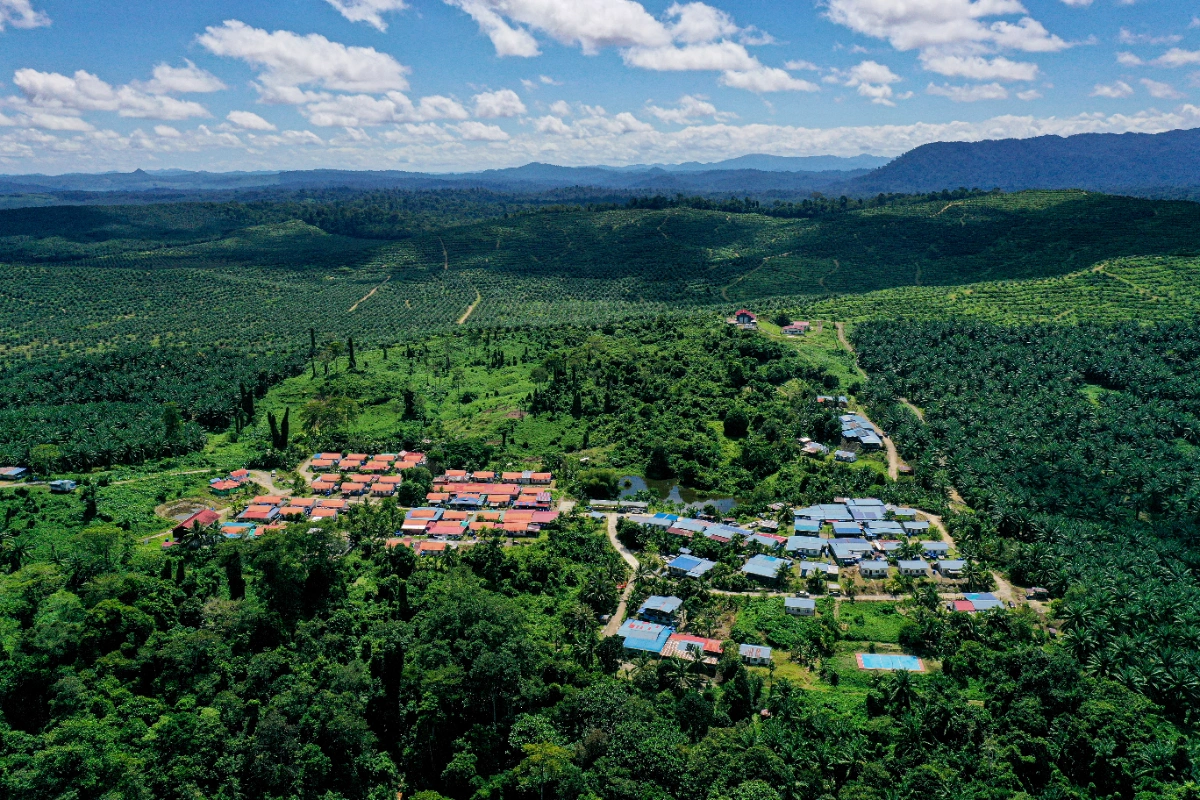
Nabawan residents call for better road access as remote villages remain cut off since Malaysia’s formation, says assemblyman.
KOTA KINABALU: Several remote villages in Sabah’s Nabawan district, including Kampung Saliliran and Kampung Kabu, have remained without proper road access since Malaysia gained independence, the Sabah State Assembly was told today.
Datuk Abdul Ghani Mohamed Yassin (GRS-Nabawan) said residents have to travel through neighbouring villages to reach the two settlements, limiting their mobility and affecting their daily lives.
He urged the state government to consider constructing at least motorcycle tracks to improve accessibility, proposing a 10-kilometre route from Kampung Sinapar to Kampung Saliliran and another 20-kilometre route linking Kampung Saliliran to Kampung Baru.
“I hope this matter will receive serious attention and consideration. It is my sincere hope, and that of the people in my constituency, that through this Supplementary Supply Bill, the proposal can be approved and implemented,” he said when debating the Supplementary Supply Bill 2026 during the State Assembly sitting today.
Nabawan, located about 180 kilometres south of Kota Kinabalu, is one of Sabah’s interior districts.
Abdul Ghani also urged the government to increase allocations for the maintenance of rivers, tributaries, former logging roads and agricultural roads in Nabawan, many of which are frequently damaged during the rainy season.
He said the poor condition of the infrastructure has made it difficult for residents, especially farmers, to transport their agricultural produce to markets.
He also highlighted delays involving the Sungai Pancuran Bridge and Jalan Kraftangan Bridge projects, both of which are important access routes to Nabawan town.
According to him, the Sungai Pancuran Bridge project had previously been delayed due to insufficient funding for utility relocation works, while construction of the Jalan Kraftangan Bridge has been progressing slowly.
“This project is eagerly awaited because it will not only improve connectivity for road users but also serve as a catalyst for economic activities, education and the delivery of government services,” he said.



