




Table of Contents
Conversation, mahjong, chess bring people together
FOR many young adults, making new friends can be surprisingly difficult once routines settle into work, commutes and familiar circles.
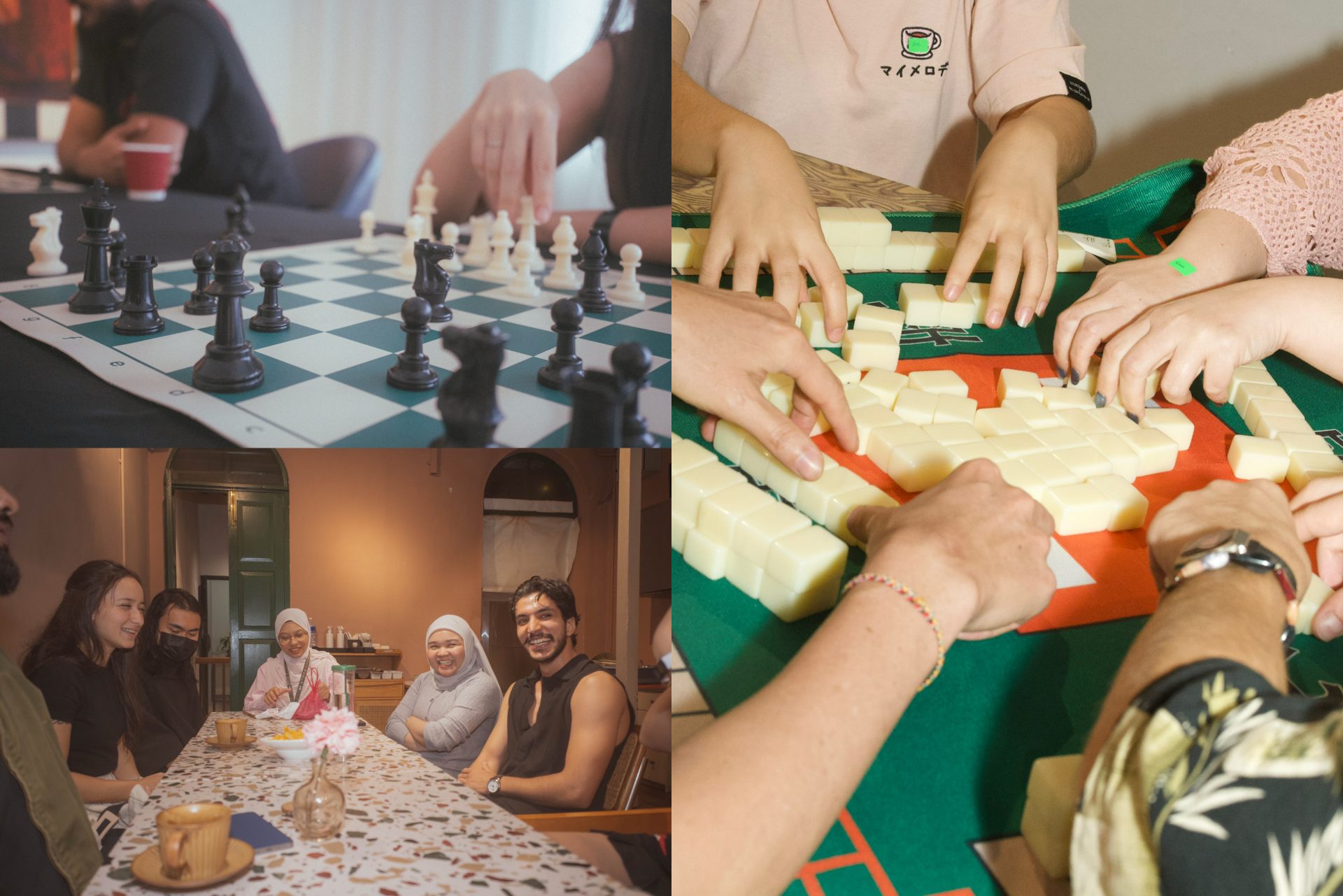
Across the Klang Valley, however, a growing number are finding community through social clubs and hobby groups centred on conversation, mahjong and chess.
Instead of relying on chance encounters, these communities give strangers a shared activity as a starting point. English conversation games, mahjong tables and chess boards become places where introductions happen naturally, creating an environment in which participants often return as much for the people as the hobby itself.
Breaking the ice through games
Among them is Speaking Games Malaysia, a community based social club that replaces formal public speaking with interactive games designed to get people talking.
For host Kalii Thevan Narayanan, the sessions are different from conventional English-speaking clubs because participants are not asked to perform in front of a room.
“Unlike Toastmasters, where you are given a task and have to speak in front of people, this is more of an interactive session with new people,” he told theSun.
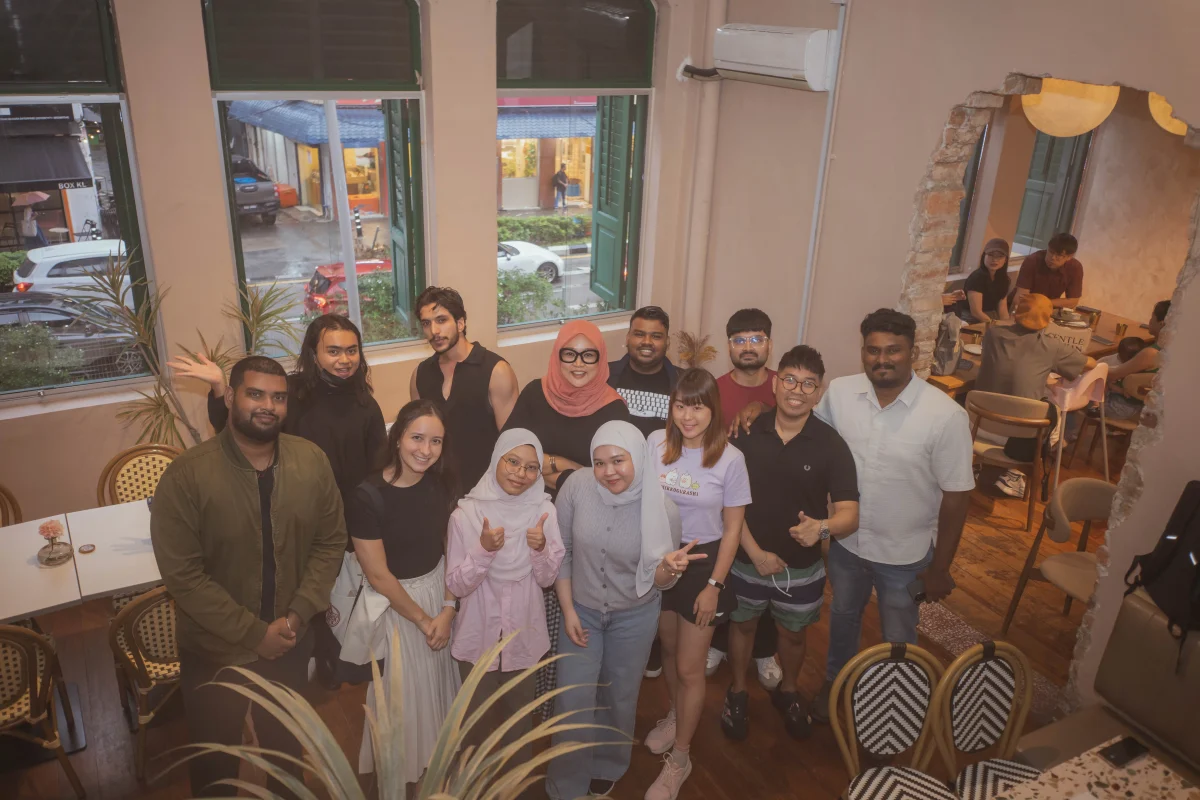
Rather than organising speeches or presentations, Speaking Games Malaysia uses conversation prompts, physical games and team challenges to encourage participants to communicate in English. Sessions attract locals and foreigners, many of whom arrive knowing nobody else in the room.
The activities are designed to remove the awkwardness of introducing yourself to strangers. Instead of forcing conversation, participants work together towards a common objective, allowing discussions to develop on their own.
Kalii said speaking to strangers can sometimes feel easier than speaking in front of people who already know you.
“People come here because they want to get used to speaking with strangers first. There can be a lot of judgement from people you know, but when you are talking to a stranger, it feels easier because they are not there to judge you.”
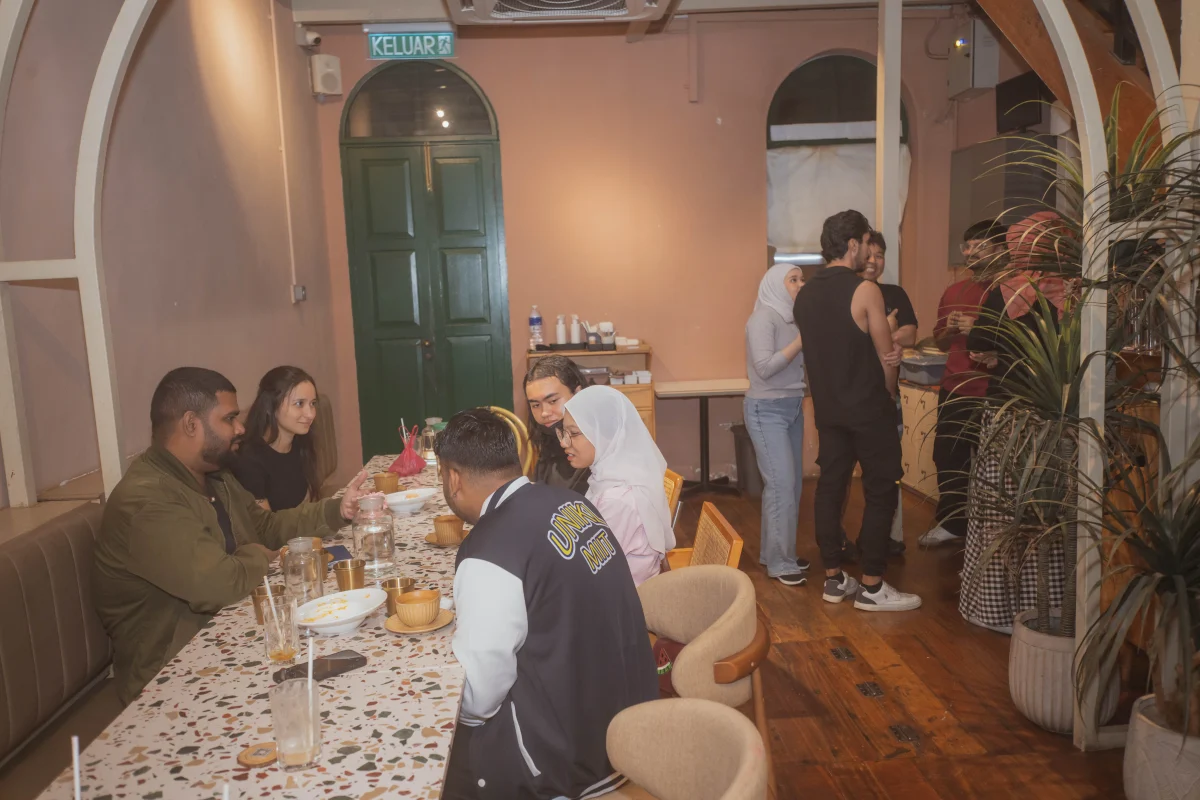
The community based social club now has close to 300 participants in its group, with sessions usually attracting at least 10 people and sometimes up to 20. Meetings are usually held on Thursdays and weekends, depending on venue availability.
Some participants first joined to become more confident in English, while others simply wanted to meet people outside work or their usual circles.
As participants move between games, groups are reshuffled, encouraging them to interact with different people throughout the session. The format also removes much of the pressure experienced by quieter participants, who can contribute through the activity itself rather than feeling compelled to lead conversations.
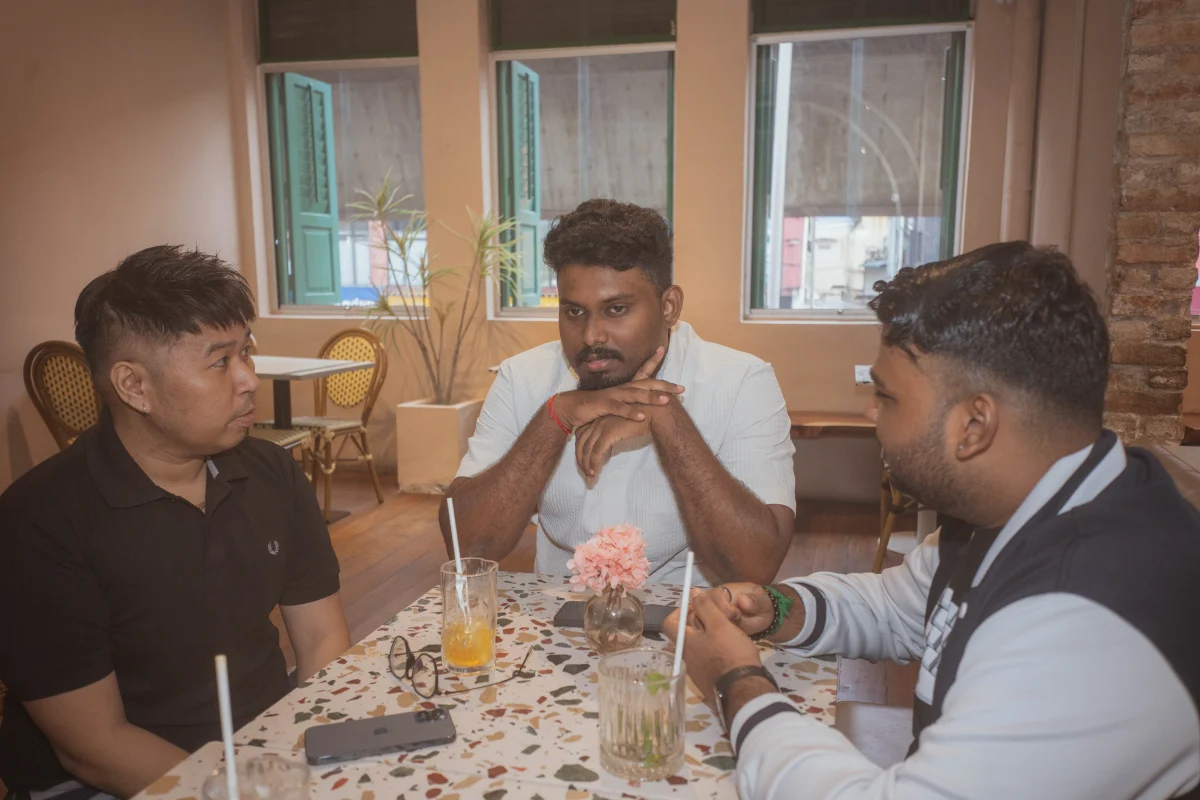
Kalii said some first-timers hesitate to speak at the beginning but slowly become more open after returning for a few sessions.
“Many first-timers do not want to speak at first, but by the second or third meeting, they start opening up,” he said.
For many, the English practice becomes secondary. The friendships become the reason they return to the social club.
Rediscovering mahjong
If Speaking Games uses conversation as its starting point, Jom Mahjong Malaysia shows how one of Asia’s oldest games can achieve much the same.
Founded in April by Zed Y.J. Lee and Janice H.Y. Ng, the weekly community based social club introduces complete beginners to mahjong while challenging one of the game’s biggest stereotypes.
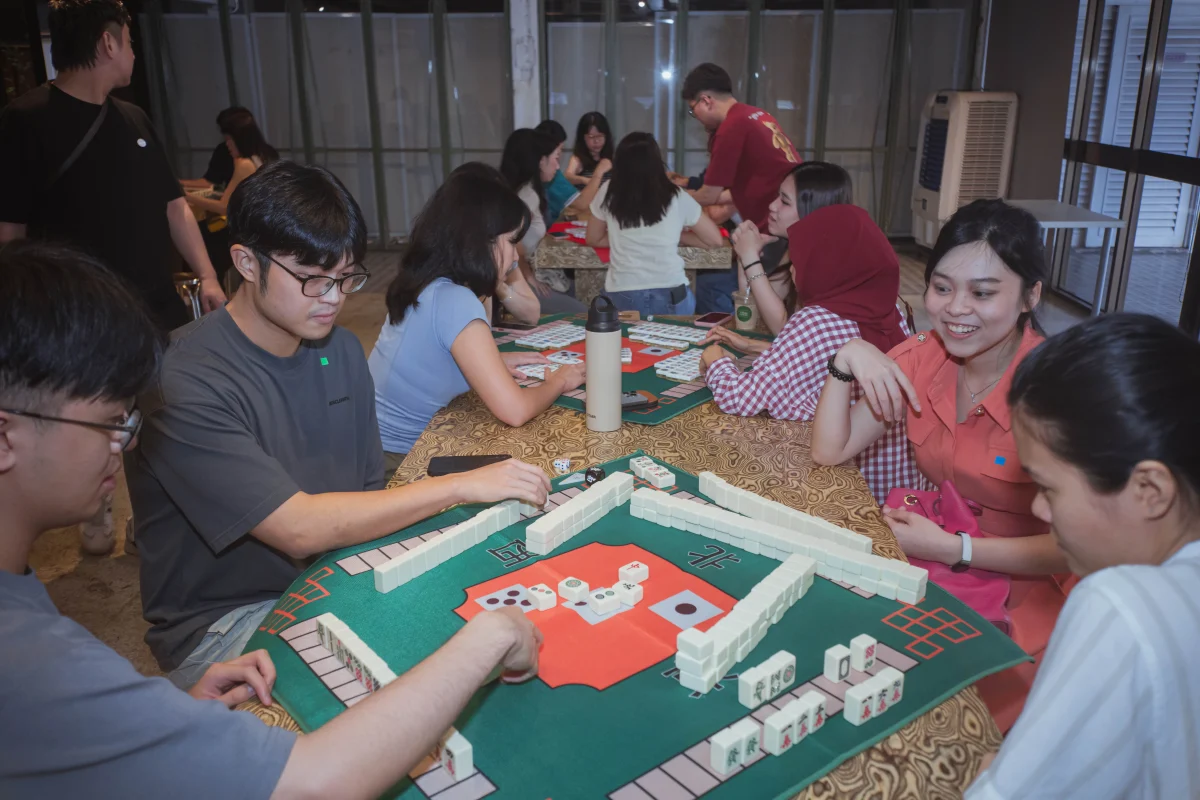
For many Malaysians, mahjong is closely associated with gambling or family gatherings during Chinese New Year. Lee believes that perception has overshadowed its social purpose.
“I realised that mahjong can connect everyone. It does not have to be a gambling game. It is a family game and a social game that connects different people,” he said.
The idea grew from Lee’s own experience learning the game with family members before hosting casual sessions at board game cafes. As interest increased, he noticed there were few public spaces where people outside existing friendship circles could learn and play together.
“There were no mahjong clubs at all. That was when I realised, why not just go for it?”
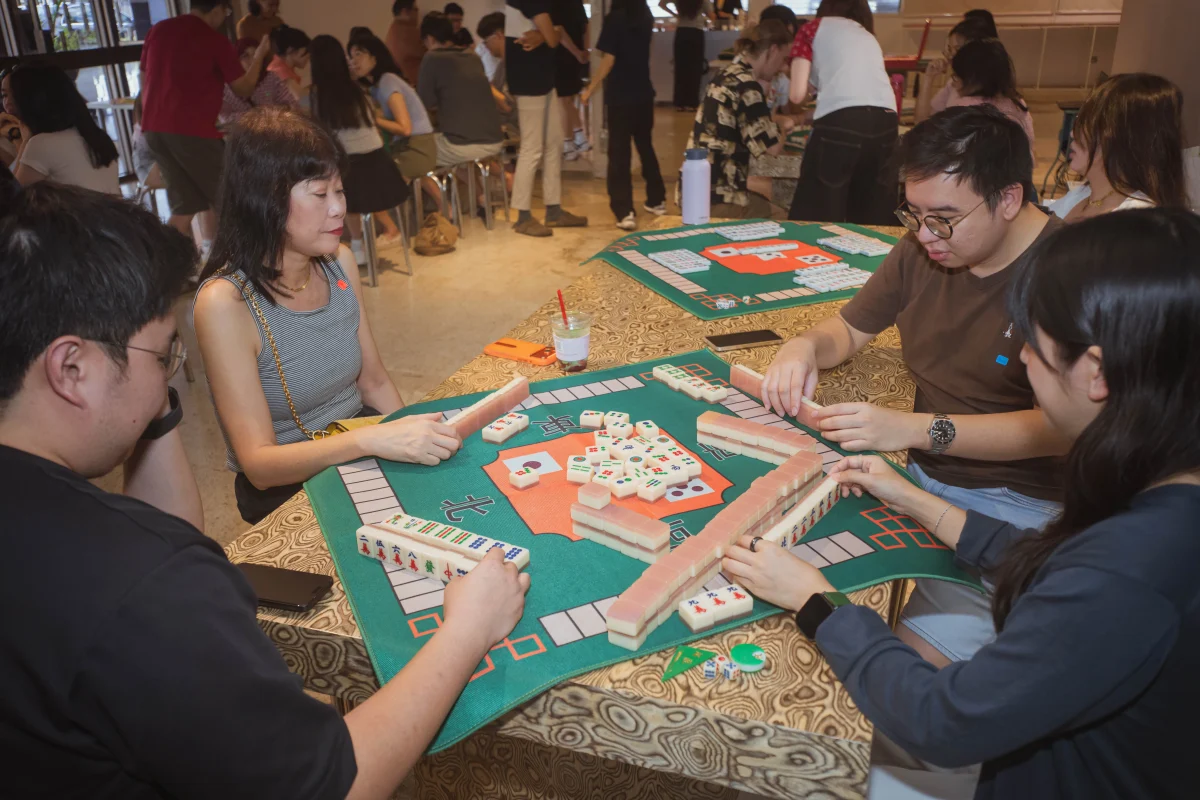
Today, Jom Mahjong Malaysia hosts weekly sessions around the Klang Valley, usually charging between RM20 and RM25, often including a drink. Complete beginners sit alongside more experienced players, while volunteer instructors move between tables explaining the rules and helping participants build confidence.
Ng said many newcomers to the social club had wanted to learn long before attending their first session.
“A lot of them come because they have always wanted to learn but no one wants to teach them. Usually, the older players are busy playing and do not have the patience to teach you,” she said.
Instead of expecting beginners to keep up, the organisers slow the pace down. Players are grouped according to experience, cheat sheets remain on the table and questions are encouraged throughout each game.
The approach has also attracted a younger crowd to a pastime often viewed as belonging to previous generations. Ng said social media and growing overseas interest have helped make mahjong more visible among younger audiences.
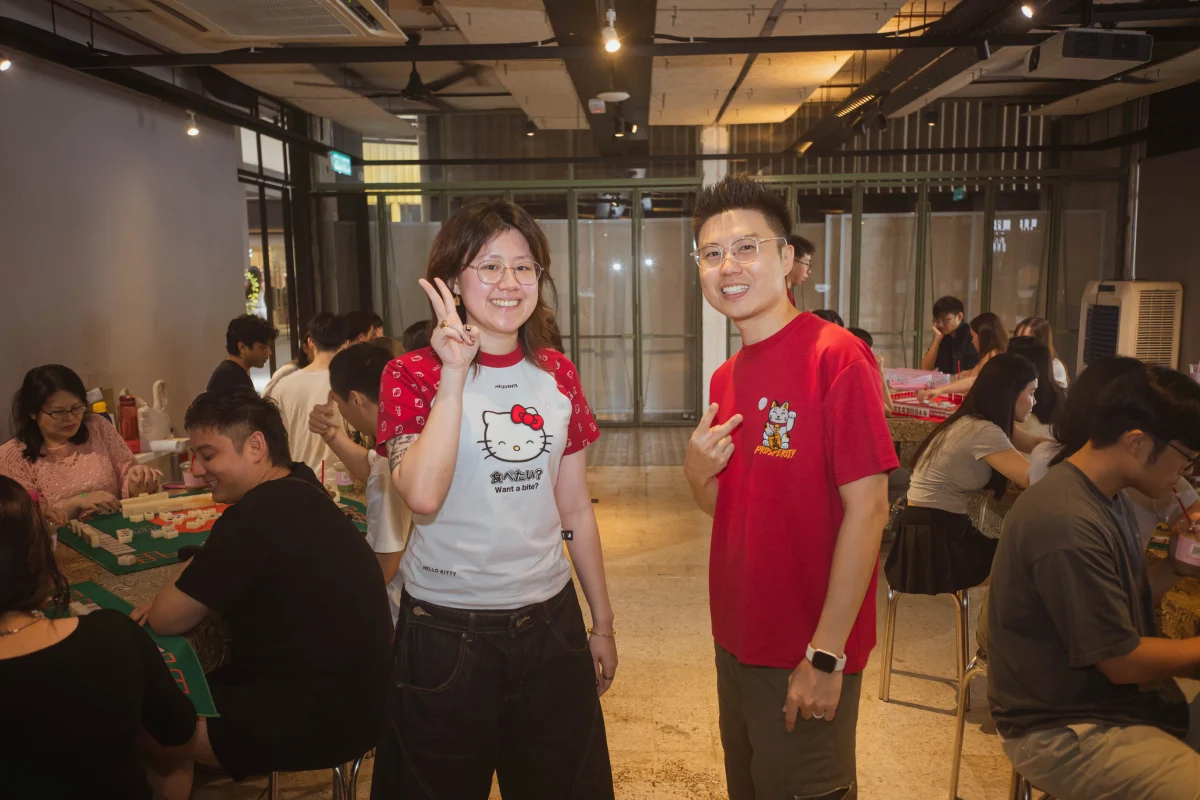
For Lee, however, the biggest draw goes beyond the game itself.
“We have all been through the pandemic. We know what it is like to be isolated and unable to connect with friends. Mahjong was built to be social,” he said.
That philosophy extends to the club’s mission of removing the stigma surrounding the game.
“People think it involves gambling. We are always straightforward that this is only social. What we focus on is teaching, learning and making friends,” Lee said.
Ng has already seen that happen during sessions, with strangers who begin the afternoon learning the rules often leaving with new contacts.
“We have had people who were complete strangers at the start of the game. By the end, they were exchanging contacts, Instagram handles and keeping in touch,” she said.
Like Speaking Games, Jom Mahjong Malaysia has found that while the activity brings people through the door, the sense of community is what keeps them returning week after week.
Making friends, one move at a time
Like mahjong, chess has long carried a reputation for being intimidating. For some, it brings to mind silent tournament halls, strict etiquette and highly competitive players. Friends Who Chess is trying to replace that image with something more approachable.
Founded by Imen Sim and sisters Umaira and Khalisa Zakri after Imen and Umaira experienced casual chess social clubs while studying in London, the community has grown into a regular fixture around the Klang Valley, bringing players together in cafes, galleries and creative spaces rather than traditional chess clubs.
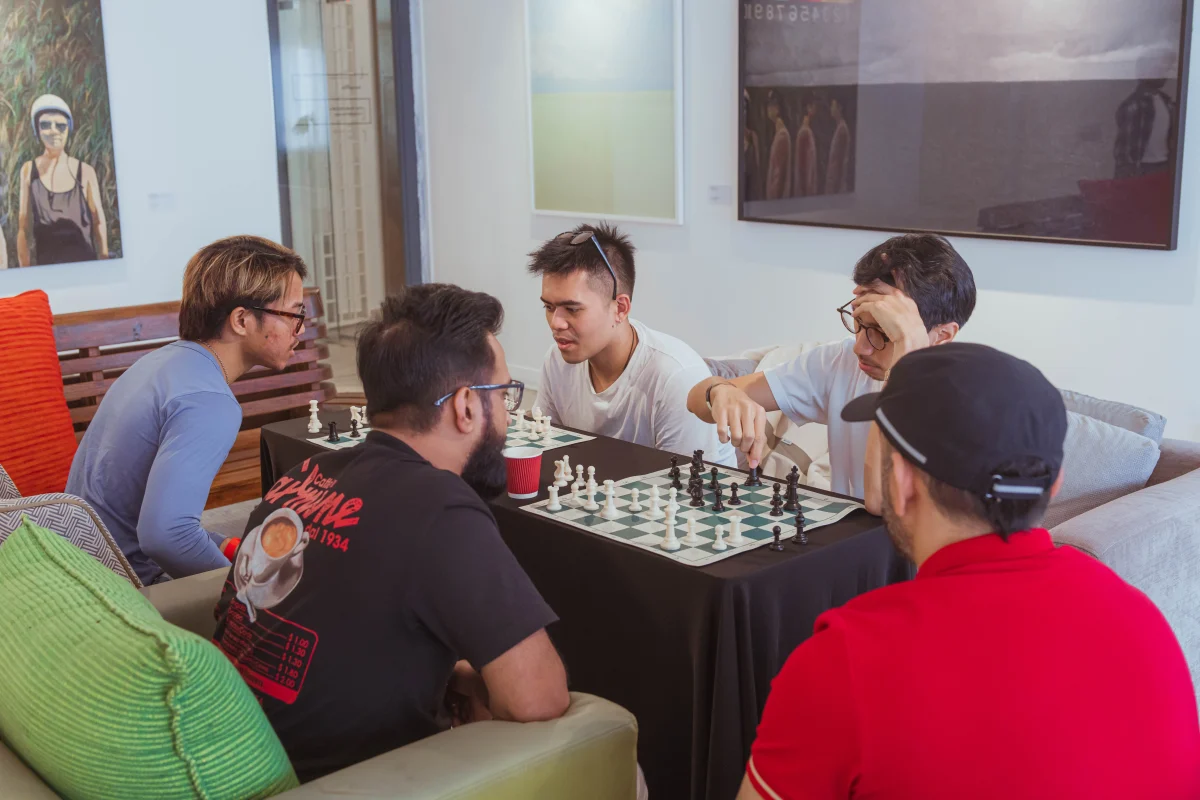
“We had the chance to check out different chess clubs across London, where the concept was free and easy for anyone to come and play, regardless of age or background. We thought it would be a good idea to recreate something like that here,” Imen said.
For Umaira, chess works as a social activity because it gives strangers something to share immediately.
“Chess is a game in which anyone, regardless of age or background, can sit across a board and play. You can put two introverts together and they do not even have to speak, but it is never awkward because they share the same interest,” she said.
Upon arriving, participants receive coloured wristbands indicating whether they are beginners, intermediate or advanced players. Rather than assigning matches, the organisers allow participants in the social club to choose opponents with similar experience, making it easier for newcomers to find games without feeling overwhelmed.
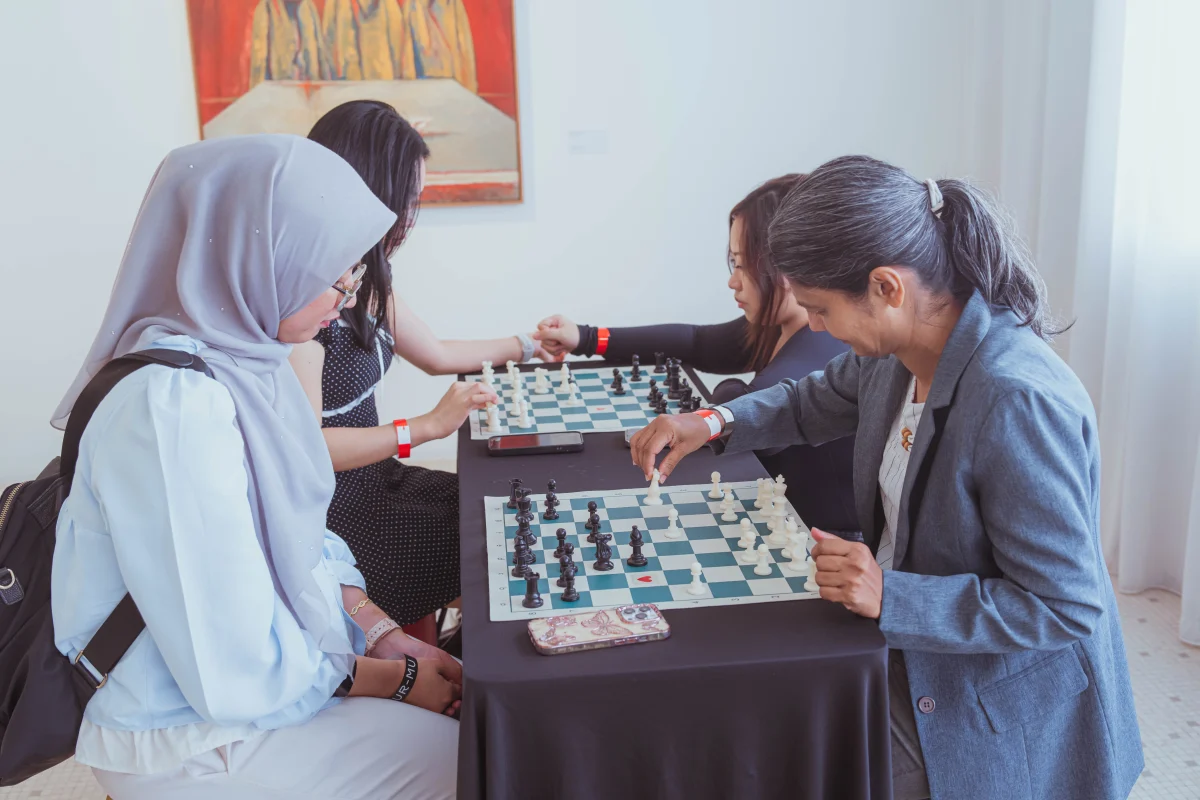
Khalisa said organising the social club sessions requires constant adjustment because the group has to serve players of different abilities.
“It is difficult to get people of different skill levels in one space without making them feel bored or intimidated. The wristband system helps, but we are always thinking of ways to improve,” she said.
More recently, the group has introduced coaching sessions and mini tournaments for members seeking a greater challenge while keeping its social-first approach intact.
For Imen, much of the appeal of chess comes after the game has ended.
“I really enjoy the social side of it. Whether I win or lose, I get to learn something. I like that post-game interaction,” he said.
Those conversations have become one of the community’s defining features. Players frequently remain after matches analysing positions, discussing mistakes and sharing advice. Others stay to chat over coffee before heading home.
The social club organisers have also seen friendships develop beyond the chessboard.
“At our events, there are always pockets of people who hang out afterwards. When they come back to the next event, we can see that they are hanging out again,” Imen said.
The group has continued expanding while balancing full-time careers, with organisers spending evenings planning events, visiting venues and developing new activities.
Khalisa said the workload is heavier than many participants realise.
“People underestimate how much time and effort it takes to plan one event. Sometimes, it takes months of planning, communication with venues and coordinating different elements,” she said.
Without an established reputation, convincing cafes and galleries to host a social chess event meant explaining that they were simply looking for a place at which people could gather over a board game, not a commercial event.

Today, Friends Who Chess regularly collaborates with venues across Kuala Lumpur, moving between locations to encourage members to experience different third spaces around the city.
That flexibility has allowed the community to attract a diverse crowd, from experienced tournament players to complete beginners attending their first chess meetup.
Among the regulars is Adam Ming, who brings his five-year-old daughter Zelda to the sessions. He first discovered Friends Who Chess on Instagram.
“It is fun and a nice way for her to socialise and meet different people,” he said, adding he had seen similar community chess social clubs overseas and was glad to find one closer to home.
Adam taught Zelda the basic moves when she was three, but said she quickly surprised him with how much she remembers. While she has yet to compete in tournaments, she enjoys playing against adults and children at the social club, where the chessboard becomes an easy way to break the ice.
More than a pastime
While Speaking Games Malaysia, Jom Mahjong Malaysia and Friends Who Chess revolve around different activities, they have all arrived at a similar conclusion: people are looking for reasons to spend time together at social clubs.
Conversation games become an easier way to practise English. Mahjong becomes more than a game associated with festive gatherings. Chess becomes less about competition than the conversations that follow.
In an age when much of everyday life happens through screens, these social clubs offer something increasingly uncommon: the chance to sit across from someone new, strike up a conversation and return the following week to find a familiar face waiting.
For many participants, the hobby may have been the reason they walked through the door, but the community based social clubs are the reason they keep coming back.
READ MORE:
Endangered Species Vol. 1 rocks KL
Fun July events to kick off your weekends



