




Table of Contents
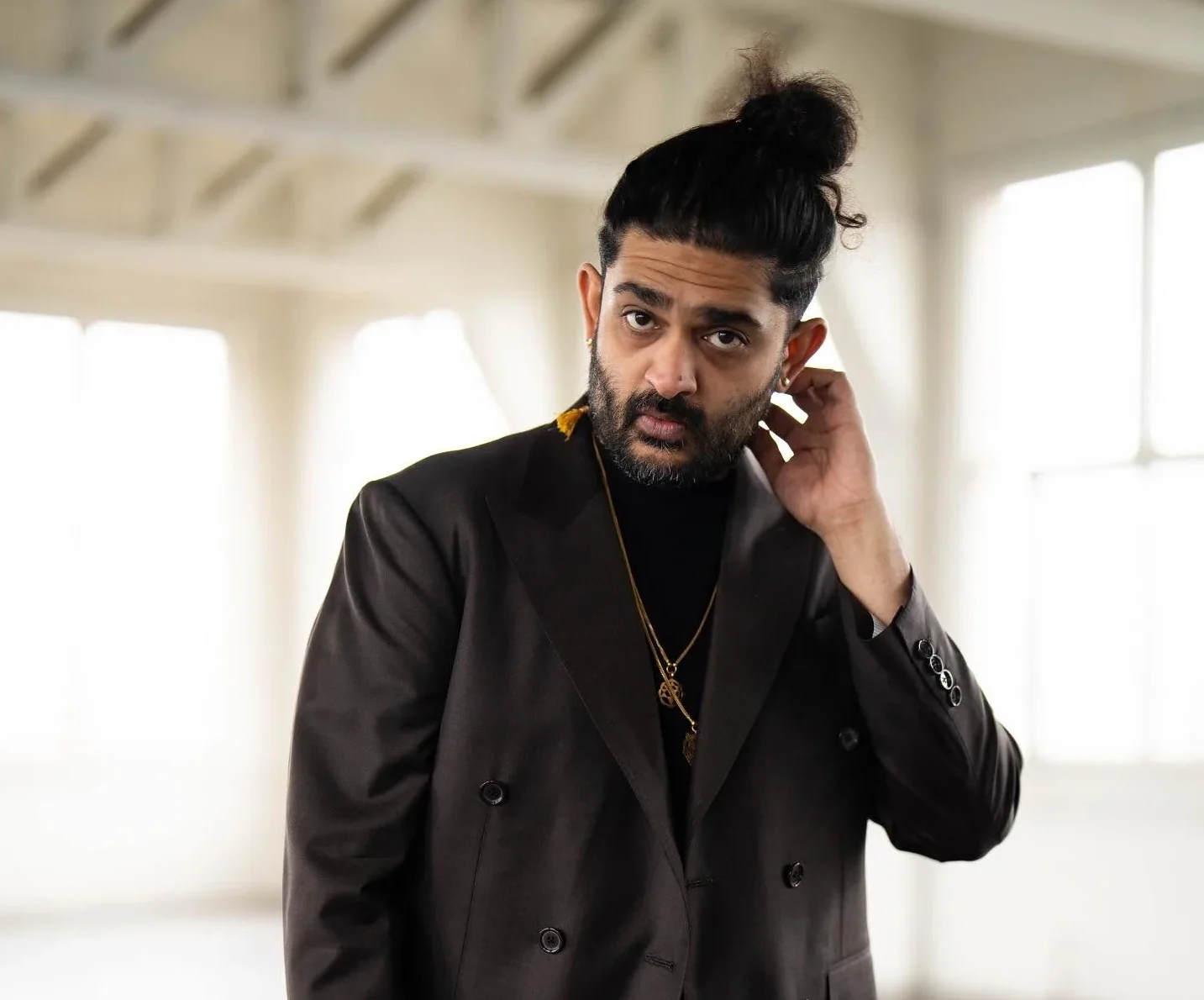
THE smell of sandalwood, a cup of Madras filter coffee while flipping the pages of the local newspaper as your favourite vinyl serenades you and a regulated nervous system – Sid Sriram’s music is for calm mornings and better Sundays when you do not dread going to work the next day.
Sid’s monumental debut collaborating with A.R Rahman on Adiye (Kadal) brought an unexpected overnight fame, quickly cementing his reputation as a generational voice. But in an attempt to find his own musical identity, he released Entropy early in his career in 2019, a bold move that might have set him back.
Shooting for the stars, like any artiste from California, the 36-year-old has always dreamt of making it big in Hollywood and Entropy was a manifestation of that dream. In a press conference, three days shy of his Kuala Lumpur concert Heart & Soul 4.0, the singer said to theSun:
“In my head, when I was in college, I wanted to be like a big star in the US. That was what I was after. But in 2010, I didn’t think the West was really ready for an artiste with brown skin to really cut through over there.”
Sid Sriram
The album proved to be an ambitious attempt by the singer as he tried to harmonise his Carnatic background and his identity as an Indian-American. As such, the album – while sonically well-produced – was not meant for the audience at the time. Its moody and abrasive sounds felt like the rhythms were at war with one another instead of making harmonies.
Hence, at a time when K-pop was at its prime and dark pop, as well as trap, became mainstream, Entropy could not find a seat at the table with its basslines, hip-hop-influenced beats and indie-pop synths, which were slammed right next to Carnatic vocal techniques (gamakas, in other words – vocal runs).
That is exactly why his latest self-titled album, Sidharth, is a poignant showcase of a mature musician who has grown well into his music and his philosophy of “all love, no hate”.
Making Sidharth
Sidharth is where Sid truly stops trying to “fit” his two musical halves together and instead, lets them collide, bleed and dissolve into one another. This musical evolution is evident in the way he thinks, as he said:
“I don’t actually compartmentalise (singing as a playback singer and an independent artiste). The source point, whether I’m writing my own music or bringing someone else’s composition to life as a playback singer – the source is always the same. It’s still always honesty.
“It’s in the belief that music is maybe one of the most powerful tools to change the world. So whether I’m singing a composition composed by someone else, or I’m coming up with it myself, it feels like I’m still the same person, the same artiste, the same spirit.

“It’s always consistent across everything I do. Actually, when I was younger; I used to try and keep these things separate – and that gets very taxing and it’s very draining to do that.”
Sharing that he views himself as “one individual, one artiste, no matter what the creative pursuit is”, the 2023 album is a manifestation of that ideology – Sid Sriram, not only the playback singer but as an artiste.
Harmonies and vibe
Starting with an almost empty beat – just a warm, breathing synth that is almost “divine” – Most High prefaced the vibe for the entire album. One thing was clear as day: we were going to get American soundscapes through the lens of a Carnatic musician.
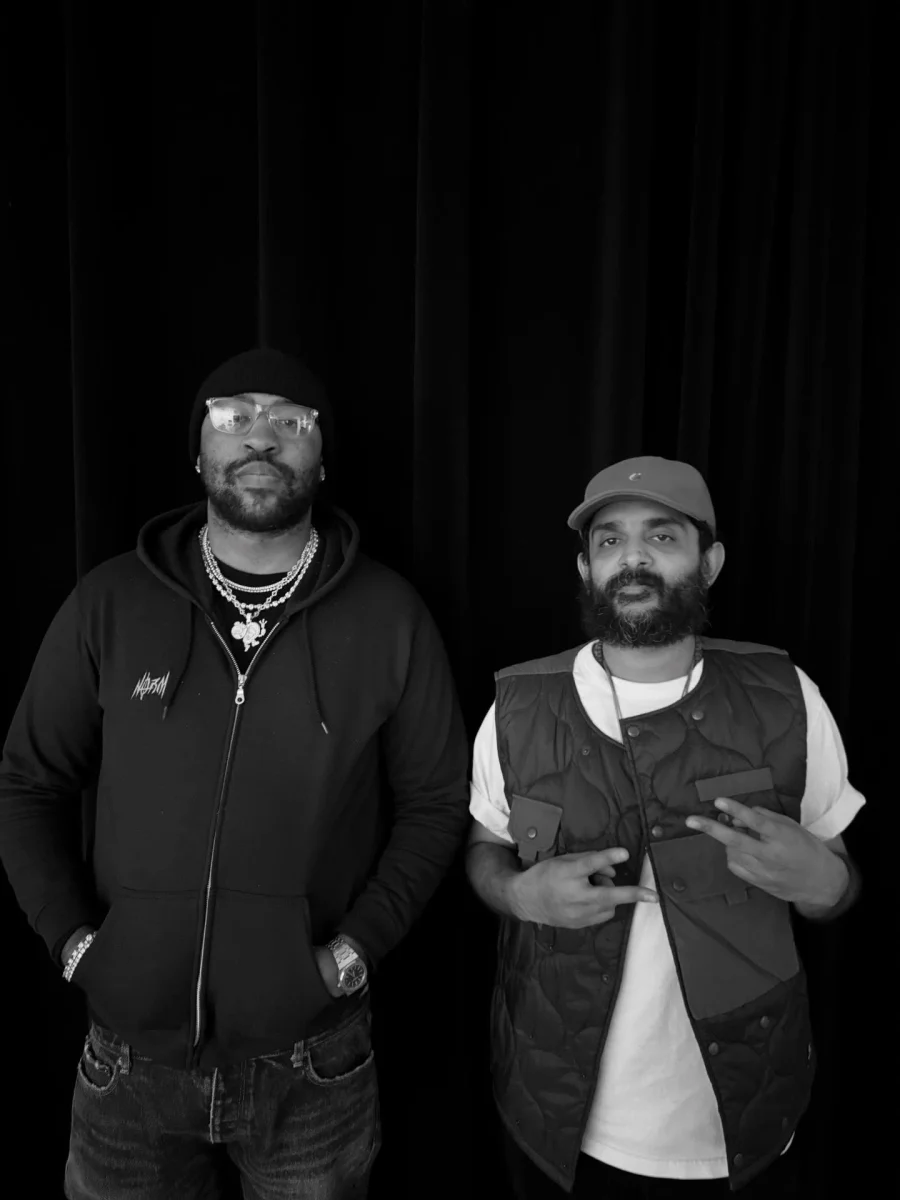
The backbone of Sidharth is its Minneapolis connection, as he worked with Ryan Olson, who is known for his work with Bon Iver, Polica and Lizzo. Therefore, the album has a “Bon Iver-esque” DNA smeared all over its production, as evident in songs such as Dear Sahana that start with a guitar and are carried through with swirling synth harmonies.
Another song is Quiet Storm, in which the gamakas were not over-utilised, as it sits in a sweet spot that does not fight the clear beats and gospel choir but blends with them.
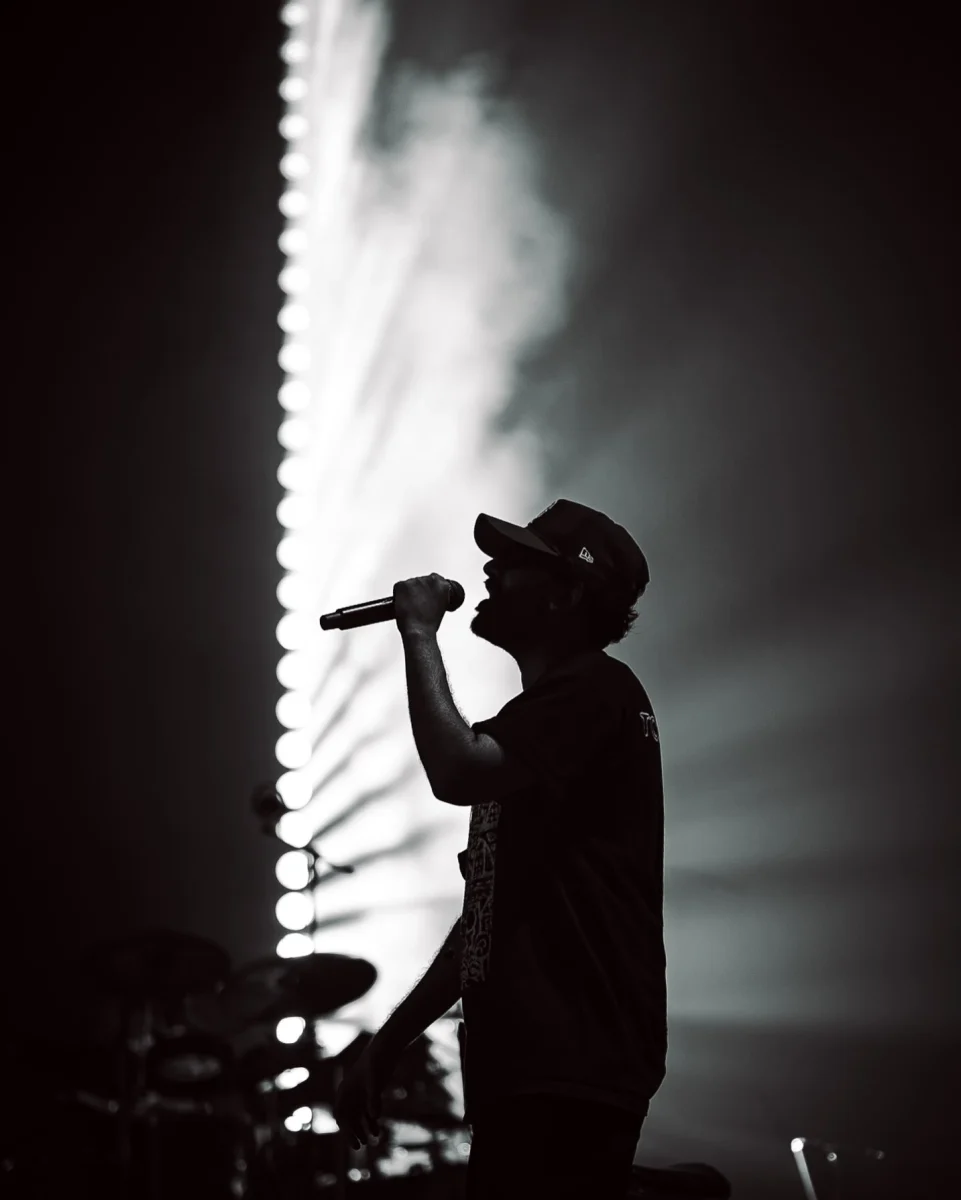
That vocal restraint which Sid employs in the entire album is a testament to his growth. He transitions smoothly between the Western minor scales and Carnatic, showing off a profound maturity as a vocalist in songs such as Do The Dance, Blue Spaces and the syncopated pocket of Friendly Fire.
The album then takes an abrupt but inviting switch with Stance, as the tempo dials back with an empty snare drum that is almost entirely dry and crisp. Sid’s ad-libs bring back counterbalancing warmth enveloped in an aching longing.
While maintaining the record’s dream-like vibe, the song itself is an existential showcase of Sid’s persona. Amelia, on the other hand, is the emotional heart of the album – and a personal favourite. An atmospheric track, it has Justin Vernon’s (Bon Iver) handprints all over it.
This track explores a fascinating territory of the album – American indie-folk woven into Carnatic music. It serves as an excellent track of how two disciplines, one being more historically “rigid” than the other, can harmonise sonically. Built around gentle, finger-picked acoustic guitar and a rich, warm bassline, the entire song breathes and moves like a heartbeat.
Towards the end of the album, the Carnatic DNA is more prevalent as gamakas lead the songs more than the music itself. Clearly heard in Shoulda Been There and Came Along, the instrumentation takes a back seat as his vocals seamlessly breathe through the tracks.
Throughout this journey, the synth-led, laid-back and “empty” opening style remains the structural anchor of the record. Standstill acts as a sensory, deliberate pause – evoking the feeling of vibing through the streets of the San Francisco Bay Area (where Sid is from), with your headsets on and an iced latte in hand, heading to your dream job.
Closing an incredibly meticulous album, Cliqueless serves as a resolution and expression of gratitude. It sheds Sidharth’s complexity while still maintaining its raw conviction, inviting us to sit in the quiet and just take life (and music) for what it is – an intentional experience.
New era, vintage sounds
Sidharth comes at a time when artistes are deliberately releasing experimental albums in the fight against music made through artificial intelligence (AI) – making it an interesting release.
Two such examples are Raye (This Music May Contain Hope) and Rosalia (Lux), who both released sonically experimentative albums by working with unlikely names such as Hans Zimmer and the London Symphony Orchestra.
In an era where vintage sounds, such as jazz (Laufey, Raye), psych pop (Tame Impala, Djo) and folk-Chenda (Hanumankind) are thriving, Sid and his album (indie-Carnatic) find themselves in a unique position in which they continue to be underrated in mainstream media but wildly celebrated and accepted.
This feeling is evident as the musician was invited to perform for NPR Music’s Tiny Desk Concert (2023) and Coachella (2024). Perhaps the “underrated but famous and talented” sentiment has evolved into a niche that artistes can leverage in pop culture. Hence, artistes such as Sid could find a seat at the table with the big dogs.
All in all, while Sid remains famous for his movie songs, Sidharth is proof of his metamorphosis as an artiste.
READ MORE:
Sid Sriram to serenade Kuala Lumpur
Concert review: Laufey’s love letter to Lauvers
Exclusive: In conversation with Tone Stith



