




Table of Contents
Food has long been one of the strongest reflections of national identity. While flags, landmarks and languages often shape how countries are recognised globally, national dishes offer something far more personal. They tell stories about migration, climate, history and everyday life, often through recipes that have been passed down for generations.
Some national dishes are rooted in celebration and communal gatherings, while others emerged from hardship, making use of affordable ingredients that eventually evolved into beloved comfort foods.
Across the world, these dishes continue to represent more than flavour alone. They carry memory, tradition and a sense of belonging.
From slow-cooked stews to earth-oven feasts, these iconic dishes reveal how culture can often be understood best through what ends up on the dining table.
Asado from Argentina
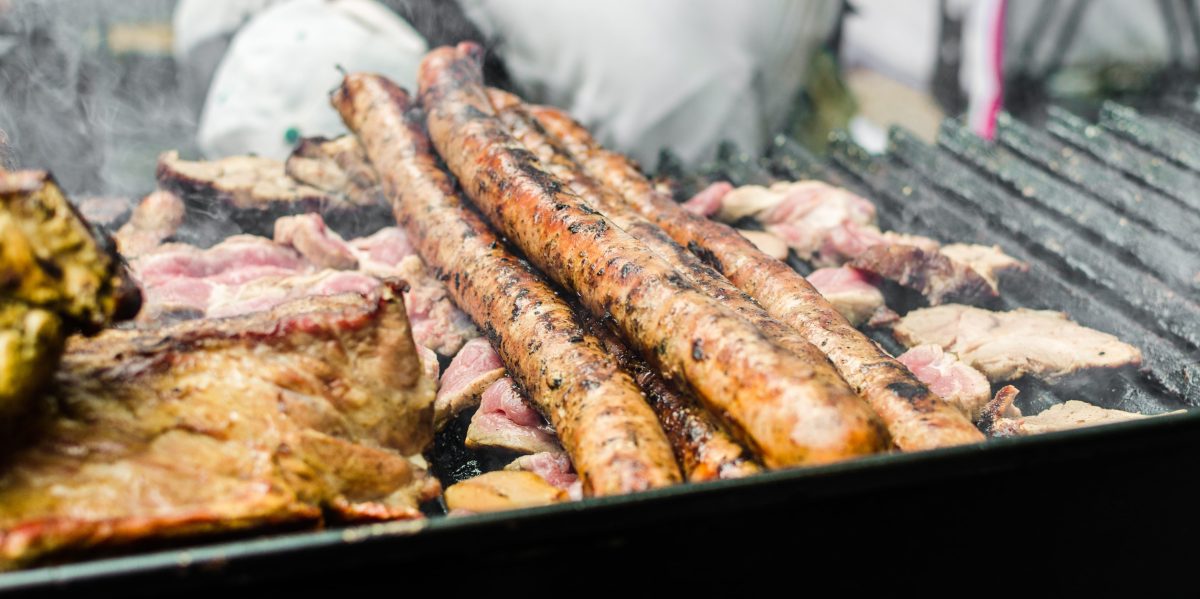
Few foods are as closely tied to national identity as asado is to Argentina. More than simply grilled meat, asado represents a deeply social ritual centred around family, friendship and long afternoons gathered around fire.
Traditionally cooked over wood or charcoal, asado features various cuts of beef slowly grilled on a parrilla, or metal grill, until smoky and tender. Sausages, ribs and offal are also commonly included, reflecting Argentina’s strong cattle-ranching culture and reputation for high-quality beef.
The preparation itself is considered an art form, with the asador, or grill master, taking careful control over timing, heat and seasoning. Unlike heavily marinated barbecue styles found elsewhere, Argentine asado tends to rely on minimal seasoning, allowing the natural flavour of the meat to remain the focus.
What makes asado especially significant is its communal nature. It is rarely rushed and often stretches across several hours, turning meals into social occasions that bring people together.
Hangi from New Zealand
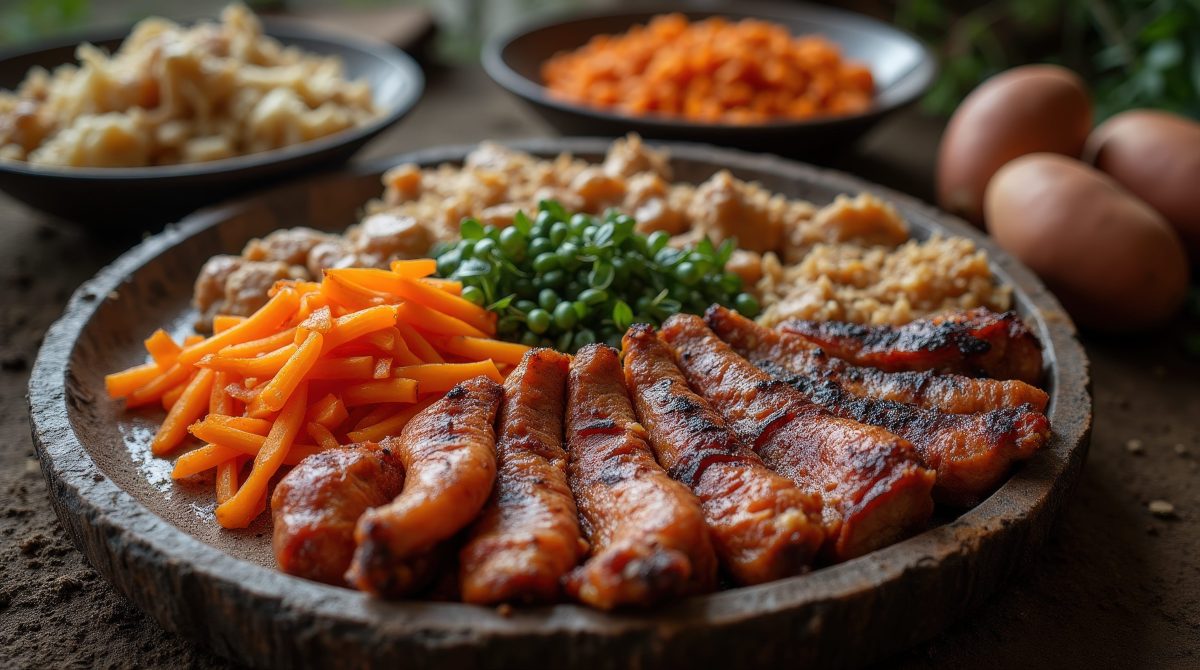
In New Zealand, hangi stands as one of the country’s most culturally important traditional cooking methods, deeply connected to Māori heritage and community gatherings.
Unlike conventional cooking techniques, hangi involves preparing food underground using heated stones buried in a pit oven. Meat, seafood and vegetables are placed into baskets before being lowered into the earth, covered and slowly steamed over several hours.
The result is food with a distinctive smoky aroma and exceptionally tender texture, shaped not only by the ingredients themselves but by the earth-cooking process.
Historically, hangi was used during large communal occasions when families and villages gathered together. Even today, it remains closely associated with celebrations, ceremonies and cultural events rather than everyday meals.
Beyond the flavours, hangi reflects a strong relationship between people, food and land, emphasising patience, community and tradition in a way that modern fast-paced dining rarely does.
Nihari from Pakistan

Few dishes capture slow-cooked comfort as completely as nihari does in Pakistan. Rich, aromatic and deeply warming, the dish is made by simmering beef or lamb for hours alongside spices such as cardamom, cloves, cinnamon and chilli until the meat becomes fall-apart tender.
Originally associated with Mughal cuisine, nihari was traditionally eaten as a breakfast meal after morning prayers, particularly because of its hearty and nourishing qualities. Over time, it evolved into one of Pakistan’s most iconic dishes and is now enjoyed throughout the day.
The stew itself is intensely flavourful, often thickened into a velvety consistency and finished with fresh garnishes including ginger, coriander, lime and green chillies. It is commonly paired with naan, allowing diners to soak up the rich gravy.
Despite its luxurious taste, nihari’s origins are rooted in practicality and patience, relying on slow cooking to transform tougher cuts of meat into something deeply comforting.
Borscht from Ukraine
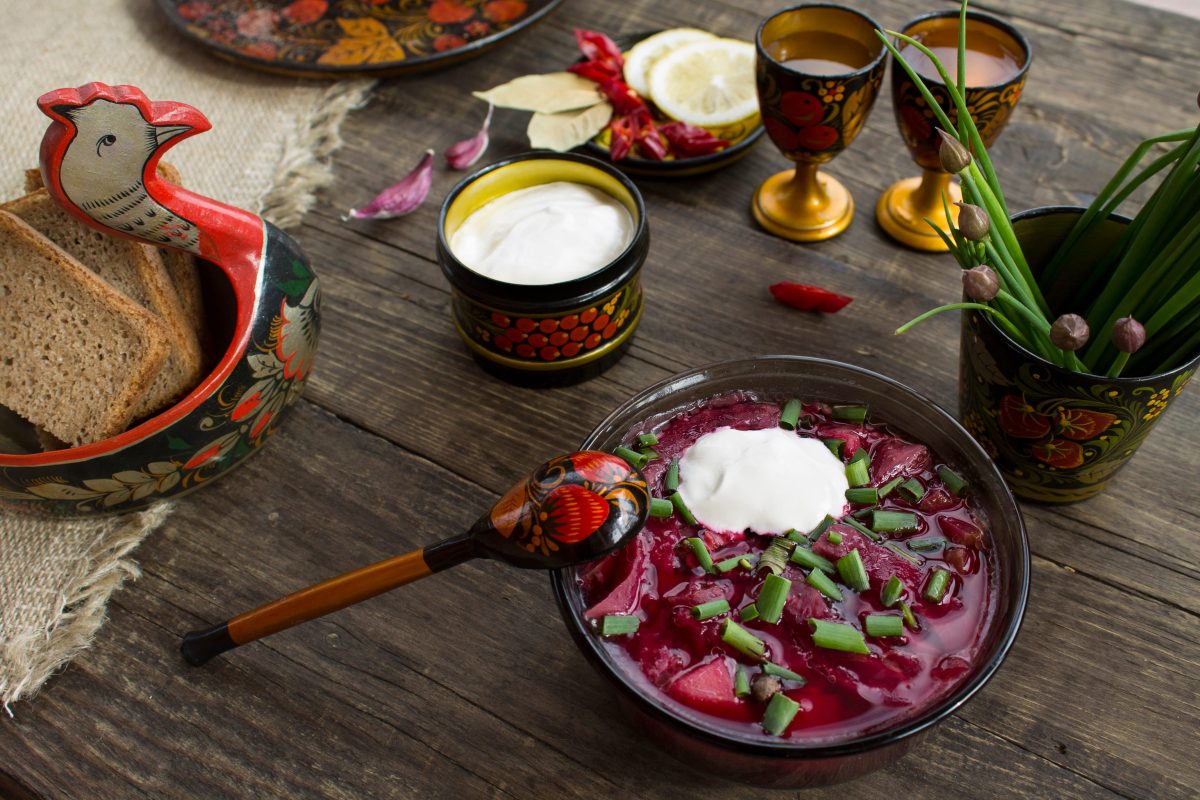
For many people, borscht is simply known as beetroot soup, but in Ukraine, the dish carries far greater cultural significance.
Made using beetroot as its defining ingredient, borscht combines vegetables, herbs and sometimes meat into a vibrant soup that balances earthy sweetness with savoury depth. Recipes vary widely depending on region and family traditions, with some versions leaning richer and heartier while others are lighter and more vegetable-focused.
Served hot with sour cream and bread, borscht has long been considered a staple comfort food across Ukrainian households.
In recent years, the dish has also become a symbol of cultural identity and resilience. Ukraine successfully secured recognition for the culture of Ukrainian borscht cooking from UNESCO, highlighting its importance not just as cuisine but as part of the country’s living heritage.
What makes borscht enduring is its adaptability. Though humble in ingredients, it continues to evolve across generations while remaining deeply tied to home cooking and family memory.
Pierogi from Poland
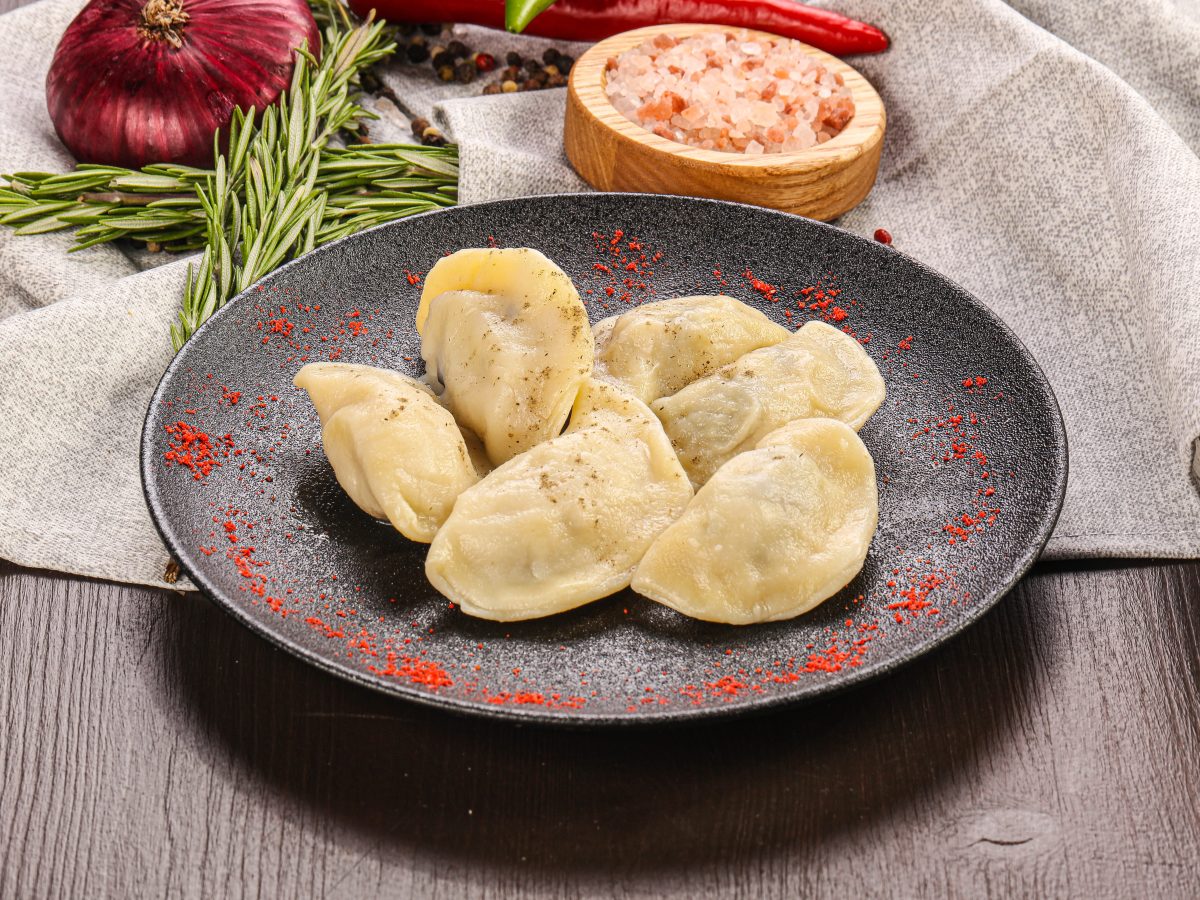
Comfort food takes many forms, but in Poland, few dishes are as beloved as pierogi.
These soft dumplings are traditionally filled with ingredients such as potato, cheese, mushrooms, cabbage or minced meat before being boiled and sometimes pan-fried for additional texture. Sweet variations filled with fruits or jam also exist, reflecting the dish’s versatility.
Pierogi are strongly associated with family gatherings and festive occasions, particularly Christmas celebrations where mushroom or cabbage-filled versions are commonly served.
Although simple in appearance, making pierogi can be labour-intensive, often involving entire families working together to roll dough, prepare fillings and fold each dumpling by hand.
That collective process is part of what makes the dish so emotionally significant. For many Polish families, pierogi represent tradition, togetherness and recipes preserved across generations.
Pot-au-feu from France
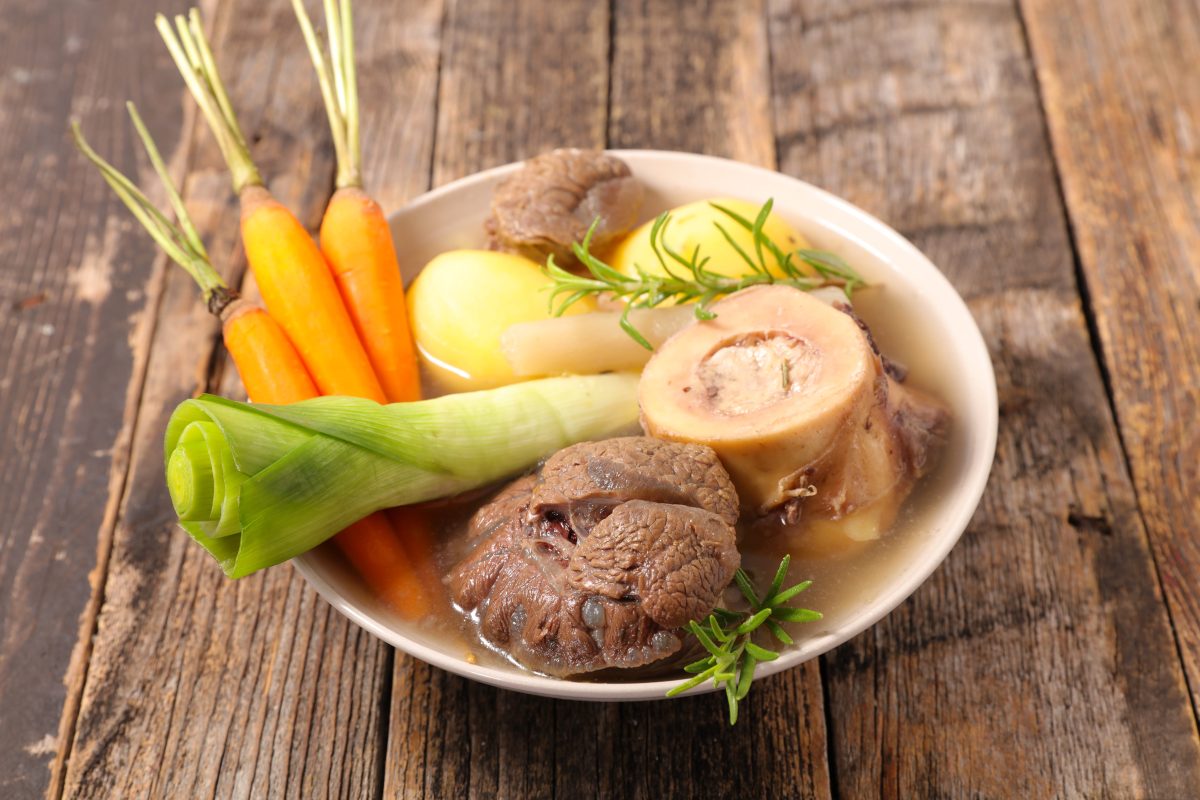
While French cuisine is often associated with fine dining and technical precision, pot-au-feu reflects a far more humble and comforting side of France.
Often considered the country’s national dish, pot-au-feu is a slow-cooked stew made with beef, root vegetables and broth, prepared gradually over low heat until the flavours fully develop.
The dish emerged from peasant cooking traditions where inexpensive cuts of meat were simmered for long periods to create nourishing meals. Despite its simplicity, pot-au-feu became deeply embedded within French culinary culture and is still widely appreciated today.
Part of its appeal lies in restraint. Rather than relying on heavy spices or elaborate presentation, pot-au-feu focuses on balance, clarity and the natural flavour of quality ingredients.
Served with mustard, pickles or crusty bread, it remains a dish closely tied to comfort and home cooking rather than restaurant glamour.
READ MORE:
Ayam gepuk, geprek or penyet? A delicious breakdown
Get to know the different fried rice dishes across Asia
Coffee guide for beginners: Types of coffee drinks explained



