




Table of Contents
Understand varieties of local fried noodle goodness
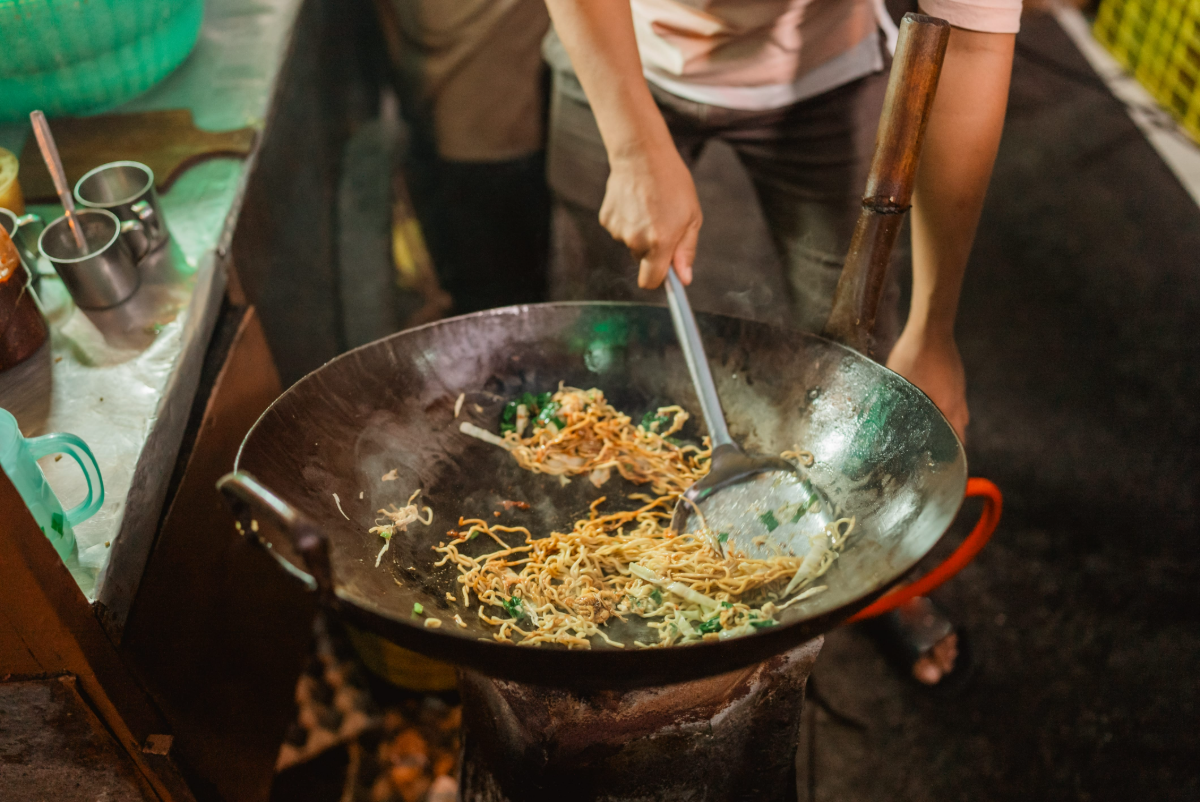
FRIED noodles in Malaysia are not one dish but a whole language of wok, heat, sauce and regional habit.
From mamak stalls to hawker centres, kopitiams and Sabah breakfast spots, noodles are fried in different ways depending on the community, region and ingredients at hand. Some versions are dry and smoky. Others are saucy, spicy, sweet, sour or built around fermented bean paste.
Mamak favourite
Mee goreng mamak is probably the version many Malaysians think of first. Sold at mamak stalls across the country, it is linked to Indian Muslim cooking, particularly Tamil Muslim food culture, but it is not simply an Indian dish brought over unchanged.
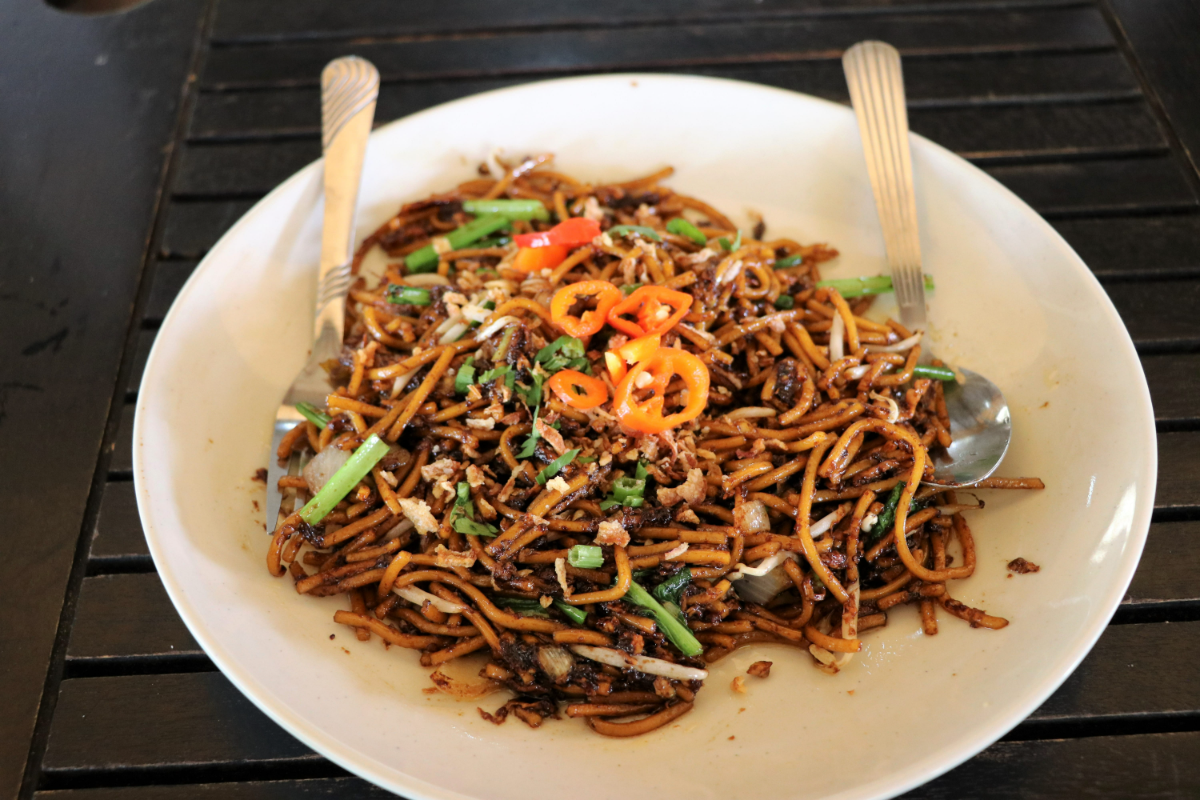
Its identity comes from the region. Yellow Chinese-style noodles are stir-fried with Indian and Malay seasonings, usually with ingredients such as egg, tofu, vegetables, potatoes, tomato sauce, chilli, spices and sweet soy sauce. A squeeze of calamansi gives it the sharp finish needed to cut through the heat and sweetness.
The result is bold, oily, spicy and filling, which explains why it has become a mamak staple at almost any hour. Maggi goreng takes the same mamak spirit and applies it to instant noodles. Instead of fresh yellow noodles, Maggi noodles are boiled briefly before being tossed in the wok with egg, vegetables, sauces and spices.
Breakfast bihun
Bihun goreng, also known as mee hoon goreng or bee hoon goreng, uses rice vermicelli instead of yellow noodles. It is lighter in texture but can be just as flavourful, depending on how it is fried.
There is no single fixed recipe. Some versions are pale and simple, cooked with egg, vegetables and a little soy sauce. Others are red from chilli paste, darker from kicap or made vegetarian for home cooking, temple food or breakfast stalls.
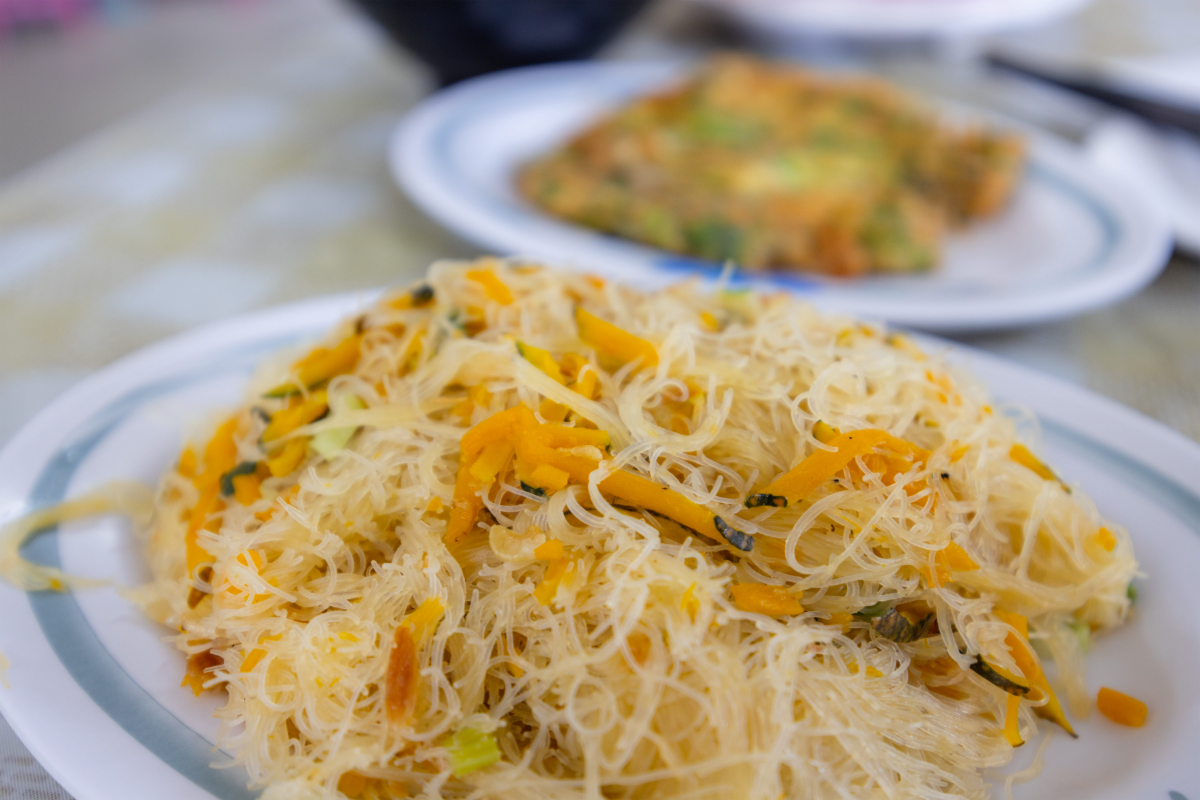
In northern Peninsular Malaysia, bihun goreng utara is a common breakfast and snack. It is usually fried drier, seasoned with chilli powder and finished with chives. The texture is important because the strands should not feel wet or heavy. It is the kind of dish that works well packed in banana leaf, served at school canteens or eaten quickly with sambal on the side.
Wok and smoke
Char kway teow belongs to the Chinese hawker tradition and is one of the country’s best-known fried noodle dishes. Its name comes from Hokkien and Teochew, with char meaning stir-fried and kway teow referring to flat rice noodles.
The dish is built on heat. Flat rice noodles are fried over high flame with garlic, soy sauce, chilli paste, bean sprouts, Chinese chives, prawns, cockles and often Chinese sausage. Traditional versions used pork lard, giving the noodles their rich aroma and glossy finish, although Muslim-friendly versions exclude pork and lard, using alternatives such as beef or chicken.
Penang char kway teow is especially famous, often served on banana leaf to add aroma. More luxurious versions may include duck egg, crab meat, squid or other seafood, but the standard hawker version remains the benchmark. The best plates rely on wok hei, the smoky flavour that comes from high heat, fast movement and enough oil to keep the noodles from turning dry.
Sabah’s taucu twist
In Sabah, mee tauhu shows another side of fried noodle culture. Associated especially with Tawau and the eastern coastal towns of Sabah, it combines fried yellow noodles with taucu gravy and tofu.
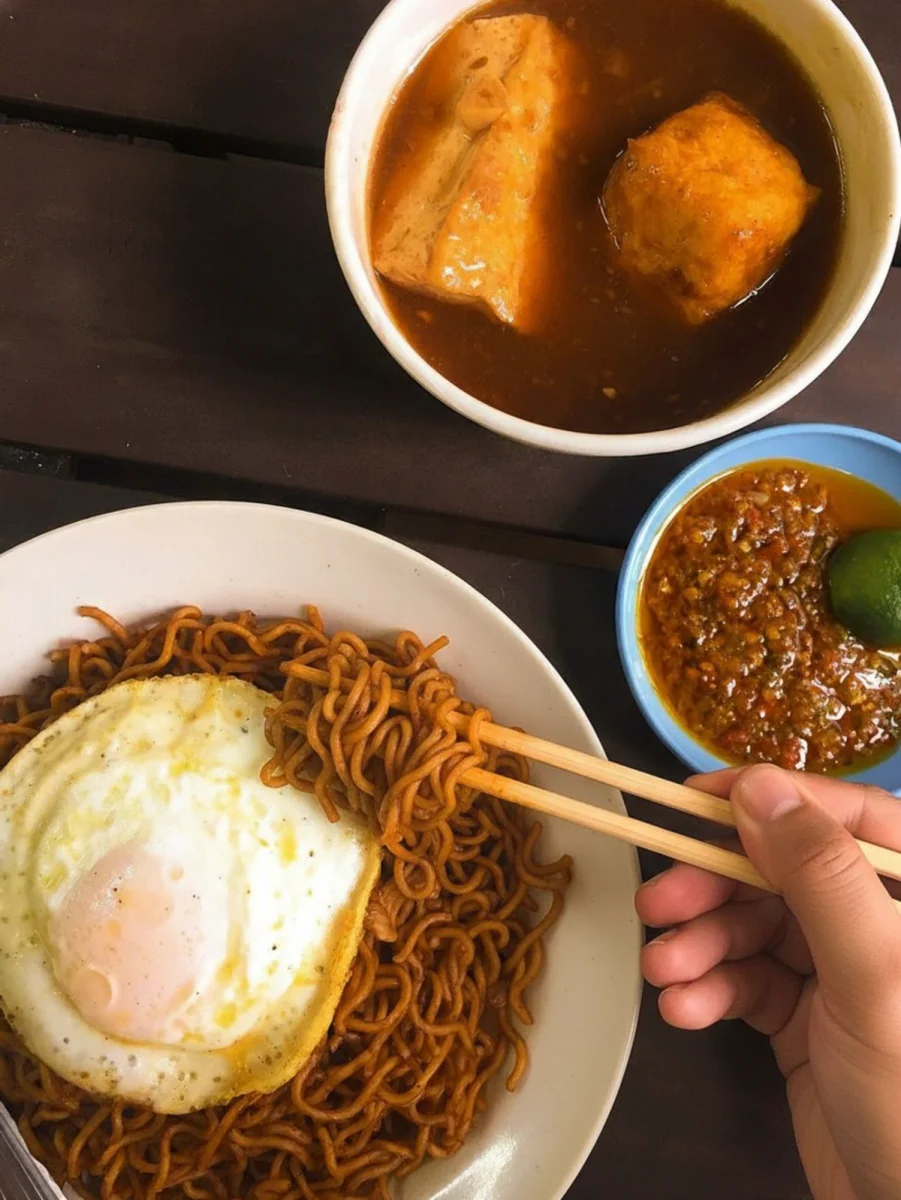
Unlike many fried noodle dishes where the sauce is mixed directly into the wok, mee tauhu is often served with the noodles and taucu gravy separately. This lets diners decide how much sauce to add. The gravy, made from fermented soybean paste, brings a salty, savoury depth that defines the dish.
Tofu is central to mee tauhu. Fried tofu puffs, white tofu, grilled tofu, stuffed tofu and even cheese tofu can appear, depending on the stall. Sambal is usually served on the side, giving diners control over the level of heat.
Sweet, sour and dry
Mee siam adds another flavour profile to Malaysia’s fried noodle family. Usually made with rice vermicelli, it is known for hot, sweet and sour flavours. The name means Siamese noodles, pointing to Thai influence, particularly in northern Malaysian cooking.
Although it is also popular in Singapore, mee siam is closely linked to Penang as well as Malay and Peranakan food traditions. Tamarind and taucheo give the dish its sour and savoury base, while sambal, egg, lime and sometimes otak-otak or fried chicken can be served alongside it.
In Malaysia, dry mee siam is more common in many places. The rice noodles are stir-fried with the same flavour base rather than served in a light gravy.
Malaysian habit
What connects these dishes is not one noodle or one recipe, but the wok.
Mee goreng mamak brings together Chinese noodles, Indian Muslim cooking and Malaysian stall culture. Bihun goreng turns rice vermicelli into a flexible breakfast dish. Char kway teow depends on heat, hawker technique and smoke. Mee tauhu carries Sabah’s taucu-rich flavour. Mee siam brings sweet, sour and spicy notes into the fried noodle family.
Each plate tells a different story about who cooked it, where it came from and who it was made for. In Malaysia, fried noodles are everyday evidence of how communities borrow, adjust and make something local.
READ MORE:
Get to know the different fried rice dishes across Asia
5 best places to get chee cheong fun in KL, PJ
6 national dishes from around the world you might have never heard of



