





Table of Contents
AI redefines recipe creation in modern kitchens
Artificial intelligence (AI) recipes are reshaping how people approach cooking by moving the process away from searching and towards generating.
As recipe no longer has to begin with a dish in mind. It can start with whatever happens to be left in the fridge.
Instead of scrolling through fixed recipes, users enter ingredients, preferences or time limits and receive a tailored set of instructions almost instantly.
Moving beyond recipe databases
Traditional recipe platforms rely on search. They assume the user already knows what to cook.

AI systems remove that requirement by generating recipes based on input.
Work from the University of South Florida, developed through an AI programme, shows how language models can produce structured recipes in seconds, complete with ingredients, steps and cooking times.
The system draws from large datasets and assembles a recipe that fits the request, rather than retrieving an existing one.
Making use of what is already there
The impact is most visible in everyday cooking. Ingredients that might otherwise go unused can be turned into a complete meal.
Research presented at the 27th International Conference on Knowledge-Based and Intelligent Information & Engineering Systems, involving researchers from Khon Kaen Wittayayon School, highlights how AI recipe systems can reduce food waste by generating meals based on available ingredients.
The approach focuses on using what is already present instead of planning around new purchases.
Built-in adjustments for diet and time
AI recipe tools can also adapt to specific requirements. Users can set limits such as calorie targets, dietary restrictions or preparation time.
The same University of South Florida project outlines how nutrition analysis can be integrated into recipe generation, allowing users to view estimated nutritional values alongside the cooking steps. This adds a layer of decision-making beyond the recipe itself.
Trust and familiarity
Acceptance of AI-generated recipes varies depending on the type of dish.
A 2024 study in the International Journal of Gastronomy and Food Science, reviewed under the University of Oxford ethics framework, found that people respond similarly to AI and traditional recipes when the dishes are familiar. Confidence drops when the recipes become more experimental, with users showing less willingness to rely on unfamiliar combinations.
This points to a gap between technical capability and user perception.
Where human judgement remains
AI-generated recipes can still present practical issues. Some outputs include unclear measurements, missing steps or combinations that require adjustment.
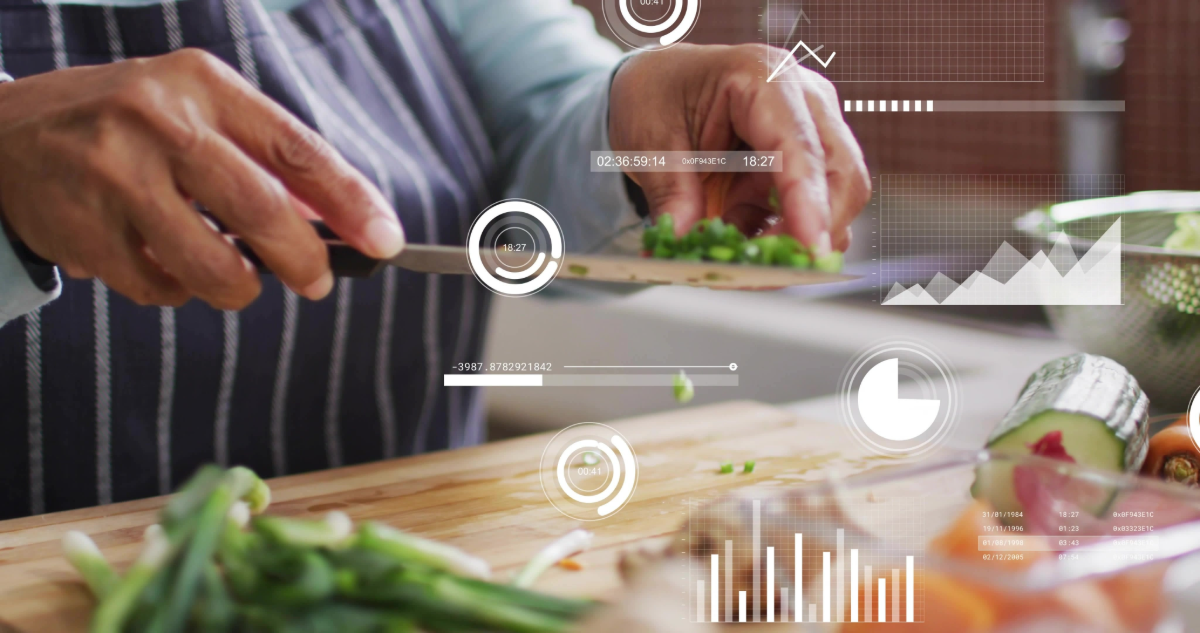
The system provides a starting point, but the outcome depends on how the user interprets and refines the instructions.
Different starting point for cooking
What changes is where cooking begins. Instead of deciding on a dish and gathering ingredients, users begin with what they have and generate options from there.
This shifts the role of the cook towards selecting, adjusting and evaluating rather than simply following a set of instructions. Recipes become flexible outputs shaped by context rather than fixed guides.
In practical terms, the process starts with a prompt and ends with a dish, with the recipe taking shape somewhere in between.
READ MORE:
Fixing poor sleep schedule according to research
Coffee guide for beginners: Types of coffee drinks explained
Exploring the 2020s Malaysian food trends that fizzled out



