




Myanmar’s military-backed USDP party poised for landslide win in final election round, a vote critics dismiss as a sham to legitimise junta rule.
MANDALAY: Myanmar opened the final round of its month-long election, with the dominant pro-military party on course for a landslide in a vote critics say will prolong the army’s grip on power.
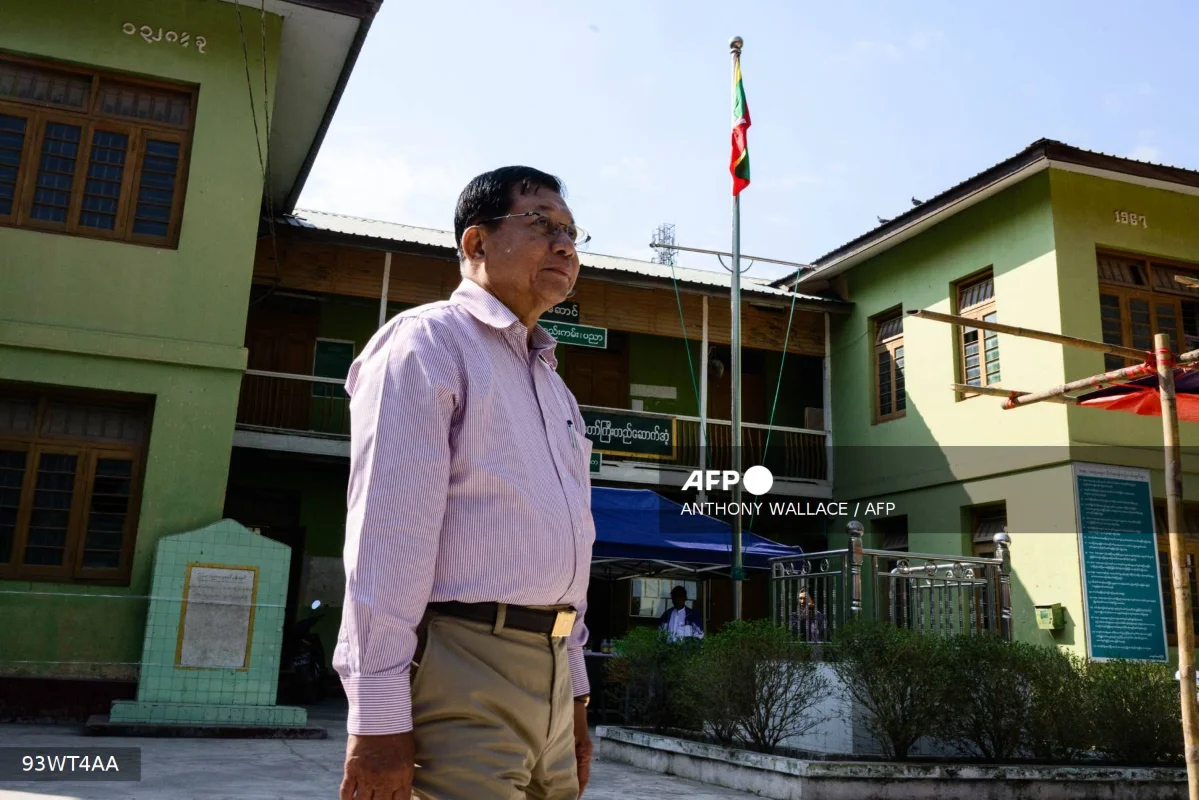
The third and final phase opened in dozens of constituencies across the country. Junta chief Min Aung Hlaing, who has not ruled out serving as president, toured voting stations in Mandalay wearing civilian dress.
“This is the path chosen by the people,” he told reporters. “I am also a part of the people, and I support this.”
The Union Solidarity and Development Party (USDP), packed with retired officers, won more than 85% of elected lower house seats in the poll’s first two phases. A military-drafted constitution also gives the armed forces a quarter of all parliamentary seats.
“The junta has orchestrated the election specifically to ensure a landslide by its political proxy,” UN rights expert Tom Andrews said in a statement. Voting is not being held in rebel-held parts of the country, and rights monitors say the run-up has been characterised by coercion.
Teacher Zaw Ko Ko Myint cast his vote at a Mandalay high school. “Although I do not expect much, we want to see a better country,” the 53-year-old told AFP.
The military seized power in a 2021 coup, detaining democratic figurehead Aung San Suu Kyi. Her National League for Democracy party, which thrashed the USDP in the last elections in 2020, has been dissolved.
The 80-year-old Nobel Peace Prize laureate remains detained incommunicado. The putsch tipped the country into full-blown civil war, with monitoring group ACLED estimating more than 90,000 have been killed on all sides.
Polling was called off in one in five lower house constituencies due to security concerns. “It’s not safe at all to travel,” complained one parliamentary candidate speaking anonymously.
More than 400 people have been pursued for prosecution under new legislation forbidding “disruption” of the election. It punishes protest or criticism with up to a decade in prison.
Turnout in the first and second phases of the vote was just over 50%, official figures say, compared to roughly 70% in 2020.



