




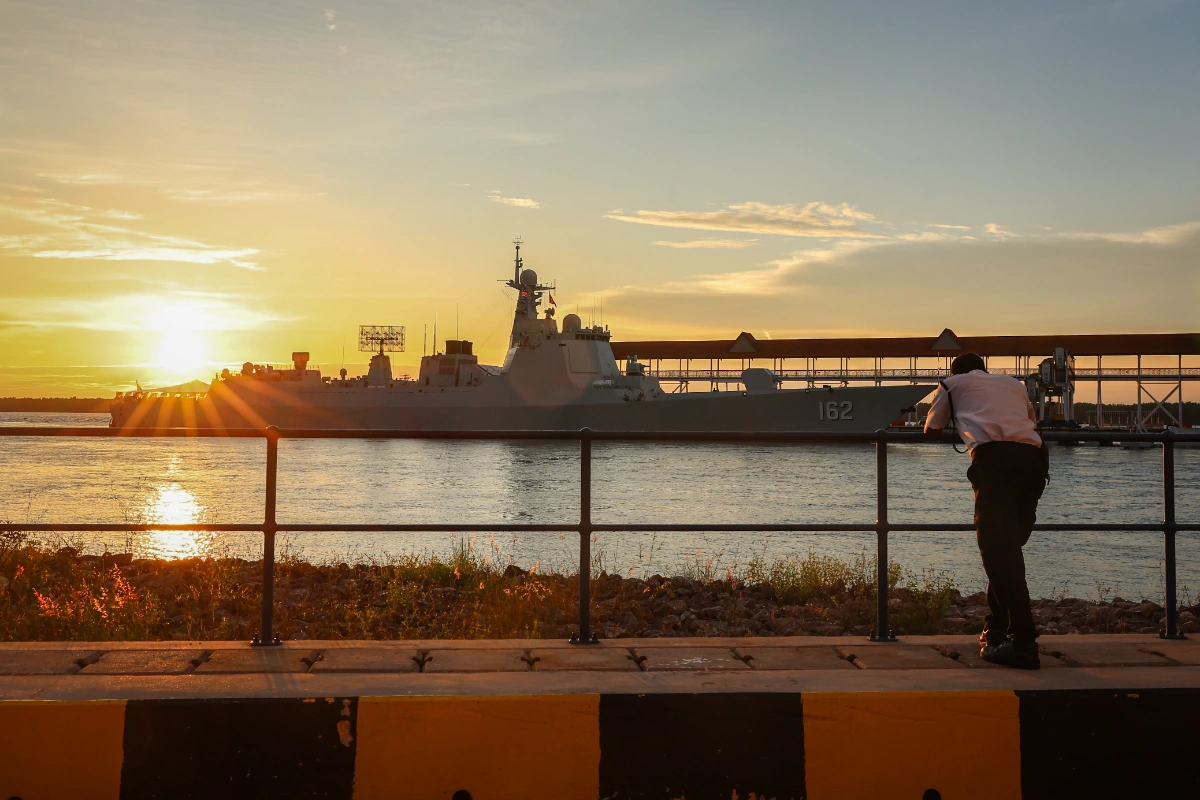
Malaysian ports must balance global expertise with local leadership development through clear governance and succession planning, says maritime expert.
KUALA LUMPUR: The appointment of foreign executives to lead Malaysian ports should be based on capability, supported by strong governance safeguards and accompanied by a clear succession plan to develop local leadership, a maritime industry executive said.
Maritime Network Sdn Bhd chief executive officer Datuk Seri Jeyenderan Ramasamy said that while international appointments were common in the global maritime industry, Malaysian ports occupied a unique position as strategic national infrastructure with a direct bearing on trade, supply chains and economic competitiveness.
He said foreign appointments should be accompanied by stronger Malaysian representation on boards, clearly defined decision-making authority over strategic assets, and regular regulatory oversight.
His comments come amid industry discussion following the appointment of former DP World chairman and chief executive officer Sultan Ahmed Bin Sulayem as executive chairman of MMC Port Holdings Bhd after the resignation of its group chief executive officer, Azman Shah Mohd Yusof.
Jeyenderan said major ports and terminal operators around the world recruited internationally because the industry was highly specialised, with experienced executives moving across countries and bringing expertise in terminal automation, digitalisation, shipping networks and port expansion.
“However, international practice alone should not determine Malaysia’s approach. A port is not simply another commercial company. It is a strategic gateway for trade and an important component of the country’s logistics ecosystem.
“The first question should always be whether suitably qualified Malaysians are available before looking outside the country,” he said.
He said experienced foreign executives could accelerate operational transformation by introducing new technology, improving productivity, attracting shipping lines, and strengthening global commercial networks.
However, he said such appointments should be assessed against measurable outcomes, including improvements in operational efficiency, cargo throughput, investment attraction and knowledge transfer.
“The appointment must create value for Malaysia. It should not be driven by perception alone.
“We already have an experienced pool of professionals across shipping, port operations, logistics, customs compliance and maritime services who should be given greater exposure to senior management opportunities,” said Jeyenderan, who has 30 years of experience in the maritime industry.
He said international expertise could strengthen the industry, but Malaysia’s long-term competitiveness would depend on building a sustainable pipeline of local leaders capable of managing increasingly complex ports.
Jeyenderan added that while companies should retain commercial flexibility in appointing senior executives, appointments involving strategic infrastructure should also be evaluated against broader considerations, including national resilience, governance standards, operational transparency and talent development.
“Malaysia should remain open to global expertise, provided every appointment strengthens the country’s maritime ecosystem and contributes to developing the next generation of Malaysian port leaders,” he said.



