




Maritime agency is evaluating non-lethal electric guns and standard sidearms to modernise its enforcement capabilities against complex sea threats.
KUALA LUMPUR: The Malaysian Maritime Enforcement Agency (MMEA) is examining the adoption of non-lethal weapons, including electric guns, to align its enforcement approach with international practices.
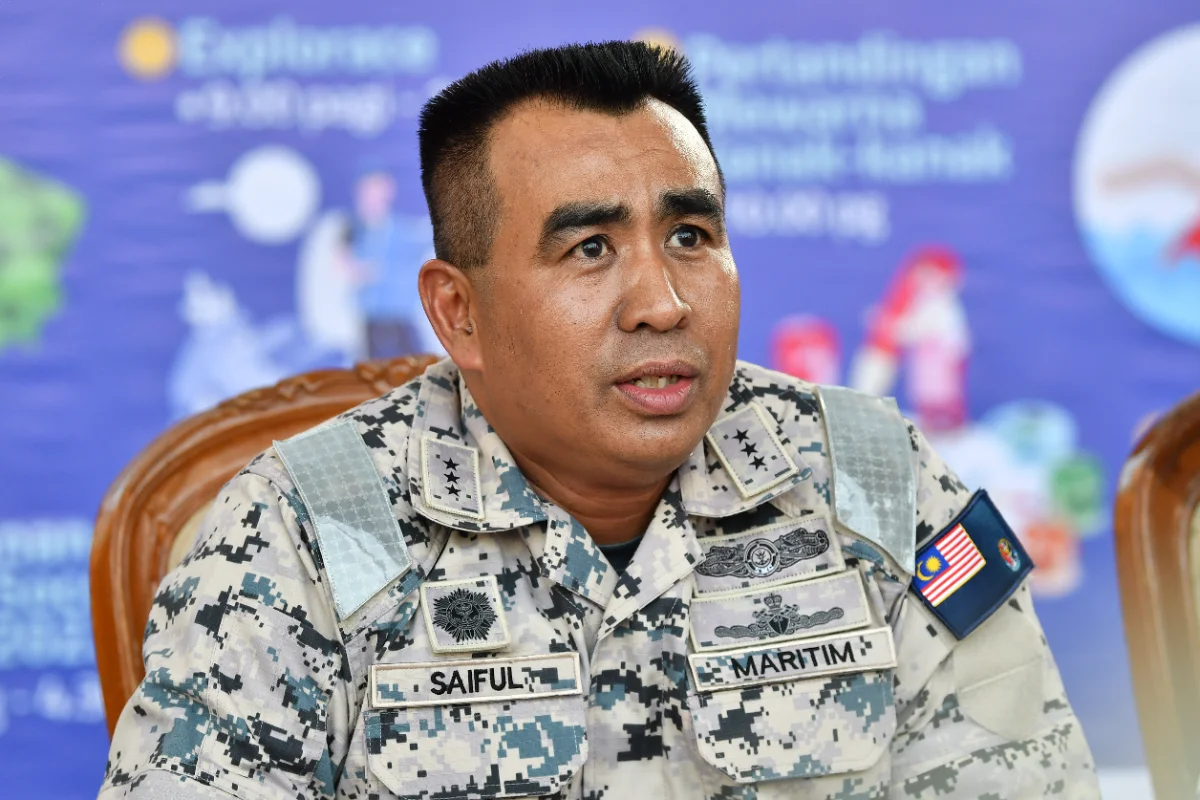
Deputy director-general for logistics Maritime Admiral Datuk Saiful Lizan Ibrahim stated this move is part of a broader strategy for a more flexible and controlled enforcement methodology.
He added that the agency is concurrently evaluating the need for international standard duty sidearms, particularly for high-risk operations like inspecting foreign fishing vessels or tackling cross-border crime.
“The step is important to ensure the safety of the members is always guaranteed when facing uncertain situations at sea,” Saiful Lizan said in a statement.
He emphasised that the MMEA is now fully focused on modernising its weaponry system to strengthen enforcement capabilities across the country’s waters.
Saiful Lizan explained that the current maritime operational environment demands personnel readiness at an optimum level, supported by the latest technology.
“The operational environment is now much more challenging with increasingly complex cross-border threats,” he noted.
He stated that the MMEA needs to keep pace with technological advancements to ensure every enforcement action is more effective and safer.
According to him, the agency’s current needs extend beyond enhancing assets like ships and aircraft to include relevant weaponry and technological support.
Saiful Lizan clarified that the modernisation focus is not limited to asset acquisition but involves comprehensive integration of armaments, monitoring systems, and intelligence.
“It is to ensure that every operation is carried out responsively and can handle any threat quickly and effectively,” he said.
He added that all outlined initiatives prioritise legal compliance, operational effectiveness, and personnel safety as the agency’s main concerns.



