




Israel agrees to a limited reopening of Gaza’s Rafah crossing for pedestrians, contingent on recovering the final hostage’s remains and full inspections
JERUSALEM: Israel has agreed to a “limited reopening” of the Rafah border crossing between Gaza and Egypt.
The opening is conditional on the recovery of the remains of the last hostage held in the Palestinian territory.
Reopening the vital aid crossing forms part of a US-backed truce framework announced last October.
The crossing has been closed since Israeli forces took control of it during the war.
Prime Minister Benjamin Netanyahu’s office stated Israel agreed to a reopening “for pedestrian passage only, subject to a full Israeli inspection mechanism”.
It said the move depends on “the return of all living hostages and a 100% effort by Hamas to locate and return all deceased hostages”.
The Israeli military is searching a cemetery in Gaza for the remains of the final hostage, Ran Gvili.
Netanyahu’s office added, “Upon completion of this operation, and in accordance with what has been agreed upon with the US, Israel will open the Rafah Crossing.”
The announcement followed comments by Gaza’s newly appointed administrator, Ali Shaath, who said the crossing would open “in both directions” this week.
“For Palestinians in Gaza, Rafah is more than a gate, it is a lifeline and a symbol of opportunity,” Shaath said at the World Economic Forum in Davos.
US envoys had reportedly pressed Israeli officials to reopen the crossing during weekend talks in Jerusalem.
A Hamas spokesman said the group had provided mediators with details on the location of the captive’s body.
Except for Gvili, all 251 people taken hostage during Hamas’s October 7, 2023 attack have been returned.
Gvili’s family has expressed strong opposition to launching the next phase of the plan before receiving his remains.
“First and foremost, Ran must be brought home,” his family said in a statement.
The Gaza war was sparked by the Hamas attack, which resulted in 1,221 deaths in Israel.
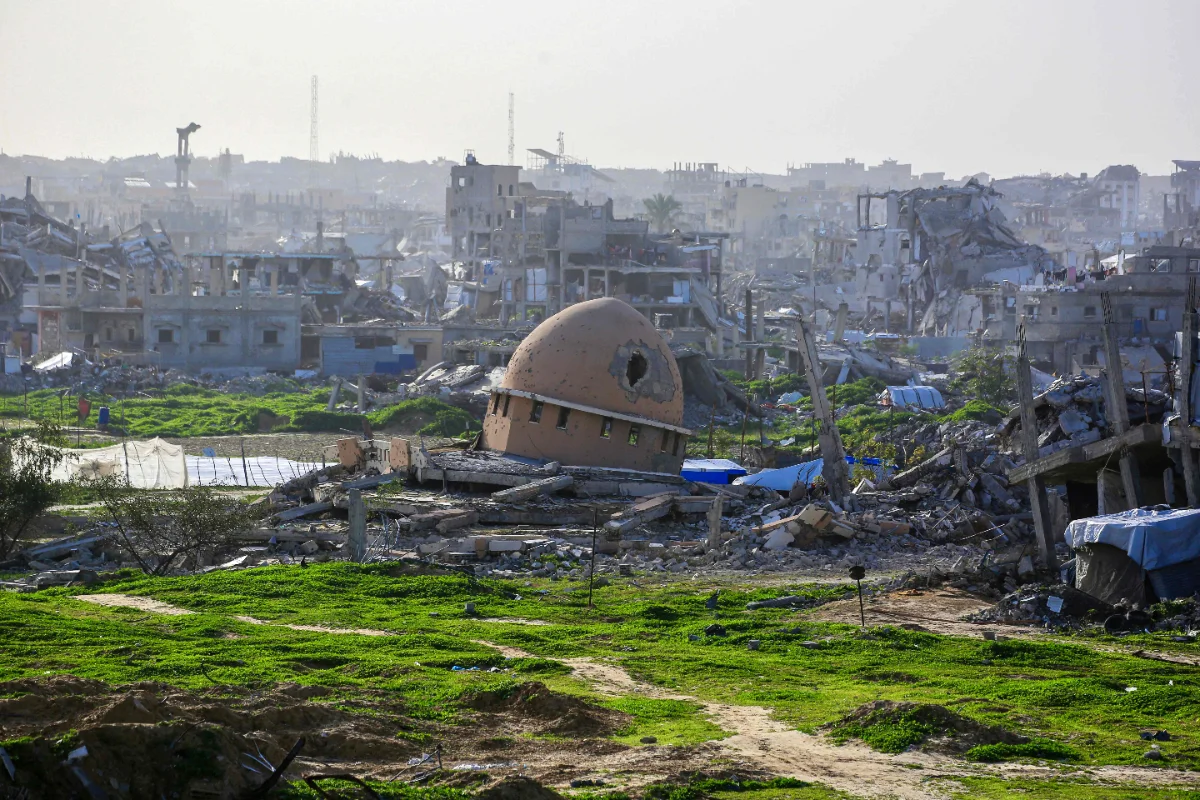
The Israeli retaliation has devastated Gaza, home to about 2.2 million people.
Authorities in Gaza said in November that more than 70,000 people had been killed there.



