




Republicans are deeply divided over ideological purity versus electability as they strategise for the looming US midterm elections, with key primary races highlighting the internal struggle.
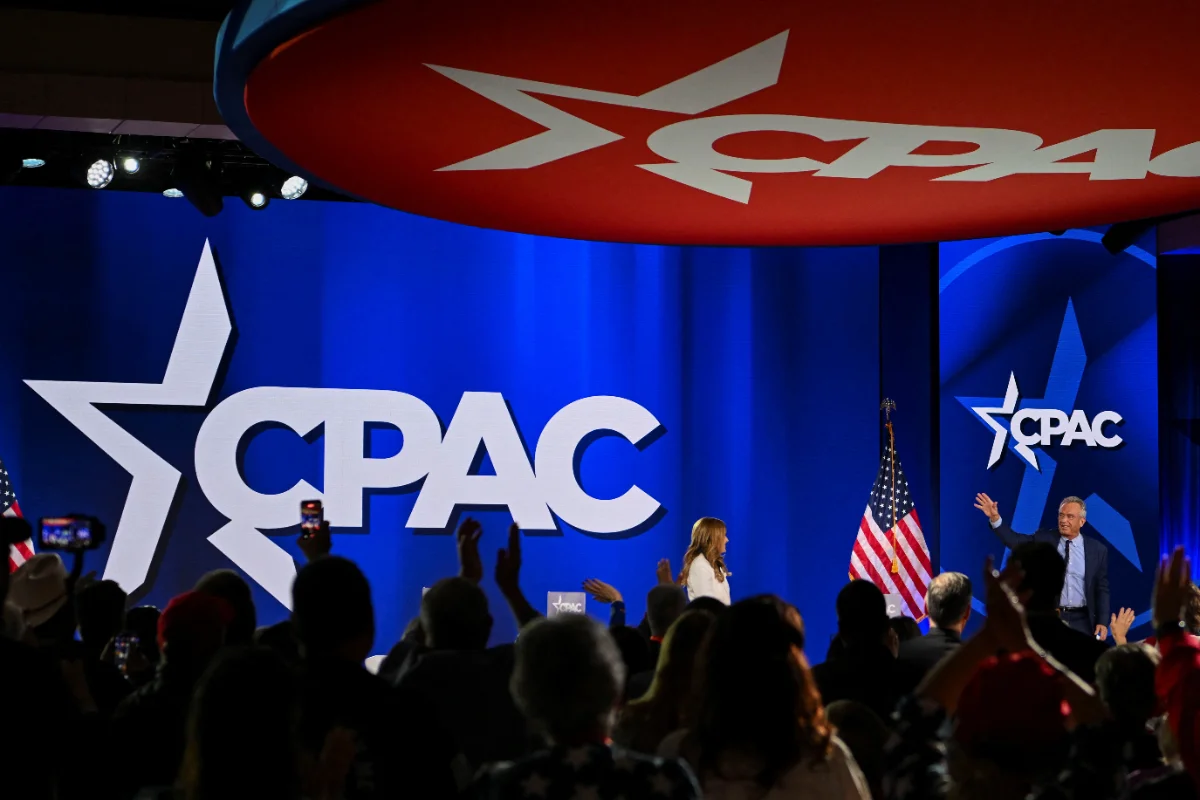
GRAPEVINE: Conservatives gathering in Texas this week showcased a Republican Party wrestling with its identity. Activists debated whether ideological purity or broader appeal offered the best path to victory in looming midterm elections.
The discussion is playing out most visibly in high-profile contests like the Texas Senate primary. The race between incumbent John Cornyn and state attorney general Ken Paxton has become a proxy for the party’s wider struggle.
For some activists, the answer is clear. “Oh, Paxton, definitely. All the way. Paxton, all the way, because he is a genuine conservative,” said Petrina Bullard, a realtor from Dallas.
She argued that Republicans should prioritise candidates who are “really down in the trenches with the people” rather than establishment figures. Bullard warned that ideological compromise risks diluting the party’s core values and could turn Texas into a “purple state.”
Others, however, see that hardline approach as a liability in competitive races. Sean O’Brien, a 20-year-old student, said Republicans need to broaden their appeal. “I will say that we need to pivot more towards the centre,” he said, acknowledging that former president Donald Trump remains “a very divisive figure.”
O’Brien also warned that broader political dynamics could weigh on Republican prospects. “I see Democrats winning more seats…possibly taking the Senate,” he said of November’s midterms.
For other voters, the question of direction remains entirely unresolved. “If we want to try to get more moderate votes, we definitely should be less ‘far right, conservative, Trump’ and all of that,” said Michal Szpak from Austin.
“But, at the same time, we might lose people who vote for that stuff. So it’s a million-dollar question. And I really don’t have an answer.” Szpak suggested voters’ immediate concerns, like rising prices, could matter more than ideology in November.
He warned those economic pressures could sway the small bloc of undecided voters. “If we had the midterms tomorrow, I think we might lose the House,” he said, citing rising costs and recent instability.
Despite the disagreements, some activists struck a more optimistic note about party unity. Bullard said tensions in the Texas primary appeared to be easing, with Republicans increasingly focused on uniting ahead of November. “I think it’s actually coming together slowly.”



