




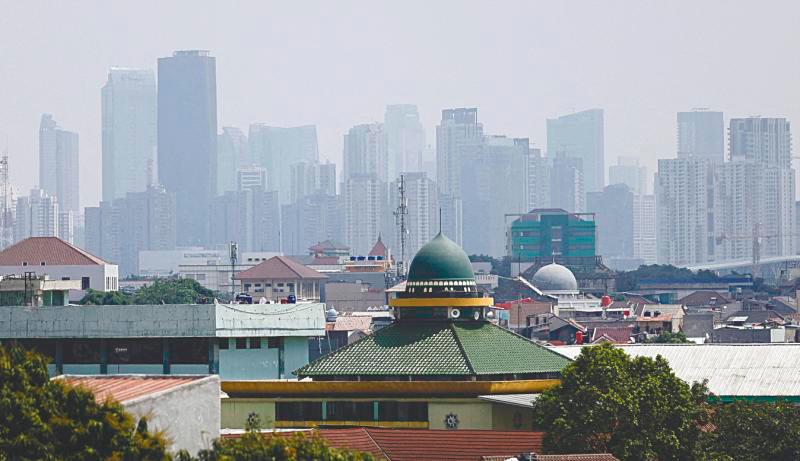
THE recent unhealthy levels of the Air Quality Index (AQI) in Malaysia brings back memories of the 2015 haze crisis, where the nation choked with weeks of smog, leading to school closures and flight cancellations.
Research in 2016 revealed that this transboundary haze may have caused more than 100,000 deaths across Indonesia, Malaysia and Singapore.
It appears that history is repeating itself as the air quality index has once again reached unhealthy levels, necessitating attention to the impact of air pollution on our health, especially that of our children.
Having clean air is not a luxury but a fundamental right that every child deserves.
Poor air quality, whether due to local sources or transboundary haze, has severe implications for children’s health and their future.
Every child and youth in Malaysia has the right to breathe air that does not jeopardise their well-being. This silent yet profound threat to our children must be addressed.
Scientific evidence confirms that polluted air infiltrates bodies, affecting lung development and potentially leading to chronic respiratory diseases while neurotoxic elements can impede cognitive growth.
The escalating cases of respiratory ailments among our youths underscore the dire consequences of air pollution, with vulnerable children at even higher risks. These pernicious effects can irreversibly compromise their health, burdening our healthcare system.
According to a report by the World Health Organisation (WHO), approximately 93% of the world’s children under the age of 15 (1.8 billion children) breathe air that is polluted every day, which puts their health and development at serious risk.
Unicef (United Nations Children’s Fund) Malaysia also noted in an article that children are especially susceptible to the effects of air pollution because their lungs, brains, physical defences and immune systems are not fully developed. They breathe more rapidly than adults, thereby inhaling a relatively higher proportion of pollutants.
Exposure to air pollution has been linked to adverse health effects in children, including diminished lung function, respiratory infections, asthma and even premature death.
Air pollution is a major, preventable and manageable threat to people’s health and well-being.
Polluted air restricts children’s outdoor activities and hinders their access to quality education. This exacerbates existing societal inequalities, disproportionately affecting the most vulnerable communities in our nation.
A recent news article highlighted that Indonesia, Malaysia and Singapore could face the worst haze crisis in five years due to the El Nino phenomenon, marked by elevated equatorial Pacific Ocean temperatures that can result in warmer and drier weather in Southeast Asia, increasing the risk of fires and leading to severe transboundary haze.
While it is important not to assign blame, the focus should be on proactive solutions. The government has a crucial role to play in ensuring clean air for our children and youth.
Some of the ways it can make a difference include enhancing air quality standards and enforcing stricter regulations to curb emissions from various sources, such as industries, transportation and agriculture.
Additionally, shifting towards renewable energy sources will not only reduce air pollution but also contribute to a more sustainable and resilient Malaysia.
Government incentives and support for clean energy initiatives can pave the way toward a greener future.
In addition, initiatives to educate the public about the importance of clean air and its impact on children’s health can garner greater support for clean air policies and encourage individual actions to reduce pollution.
On the other hand, children and youths also have a vital role to play in driving change. They can collaborate with the government to create a cleaner environment by raising their voices through advocacy campaigns and community initiatives to educate their peers and mobilise support for clean air policies.
Furthermore, they can adopt eco-friendly practices in their daily lives, such as reducing energy consumption, practising waste reduction and advocating for sustainable transportation options, which can make a significant difference.
It cannot be denied that young people have unique perspectives and creativity to develop innovative solutions. They can harness these skills to come up with technological solutions to address various environmental issues, including air pollution, for example air quality monitoring apps, green technology and community-based projects.
In these uncertain times, it is advisable to regularly monitor air quality reports, especially during periods of haze. This will enable individuals, especially children and those with respiratory conditions, to make informed decisions about outdoor activities.
Use air purifiers indoors and keep windows closed to maintain indoor air quality.
Ensure that individuals, especially children and those with respiratory diseases or compromised immune systems, have access to necessary medications and medical care.
The AQI is used to assess air quality. A good or healthy AQI ranges from 0 to 50, with air quality becoming less healthy as it goes above 50. Levels exceeding 150 are considered unhealthy.
Let us stay informed, take action and hold our leaders accountable for ensuring clean air as a fundamental right. By working together, the government, youths and all Malaysians can pave the way for a sustainable and healthier tomorrow.
We should act now so that our children can breathe easily, and lead our nation towards a cleaner and more prosperous future.
The writer is a youth climate champions consultant, at Unicef Malaysia and a PhD candidate at Universiti Putra Malaysia. Comments: [email protected]



