




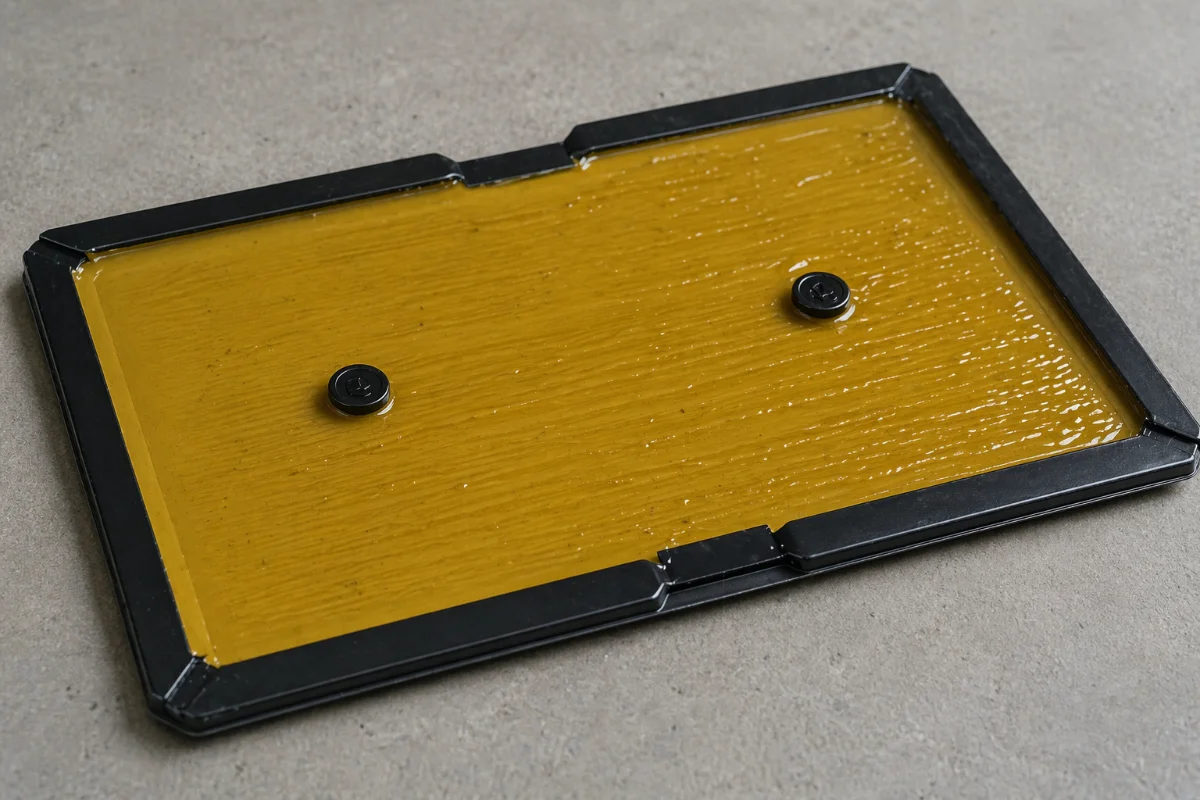
Peta Asia calls for a ban on glue traps in Malaysia, citing extreme animal suffering and urging retailers to remove the cruel and ineffective products.
WHEN asked about the most merciless thing we encounter at Peta, the answer is often surprising. It isn’t some abstract or obscure form of abuse; it’s something still openly sold on store shelves: glue traps.
In Malaysia, glue traps are widely available and commonly used, yet many people are unaware of the extent of suffering they cause. Glue traps cause prolonged and extreme agony.
Animals caught on these sticky surfaces panic and struggle, tearing away their own fur, feathers or skin. Some break bones or even chew off their limbs in desperate attempts to escape.
Many die slowly – from dehydration, starvation, shock or suffocation – sometimes after being discarded alive in some garbage bin with the trap itself. These devices are indiscriminate, ensnaring not only mice and rats but also birds, bats, reptiles and companion animals.
Peta routinely hears from distraught members of the public who stumble upon this cloaked form of cruelty.
Beyond their barbaric cruelty, glue traps also fail to address the underlying conditions that attract rodents in the first place – such as exposed garbage, improper food storage and poor waste management. As a result, the problem persists while animals pay the price. Even in places struggling with large rat populations, glue traps offer no lasting solution.
Around the world, awareness of glue traps’ harm and ineffectiveness has led to decisive action. Glue traps have been prohibited in many places, including countries such as England and the Netherlands, as well as in large parts of Australia.
Major retailers globally have also acted, with companies such as AliExpress in the US and EU, Target and Walgreens removing these products from their shelves.
In contrast, Malaysia is lagging behind, with major retailers still freely selling this cruel and ineffective device. Malaysia has an opportunity to join their global counterparts by removing glue traps from store shelves and choosing humane, effective solutions instead.
If we recognise glue traps for what they are – one of the most violent devices still confoundingly, legally available – there is no ethical reason they should remain on responsible stores’ shelves.
If you see glue traps for sale, speak to the store manager, share the facts and explain that glue traps cause extreme torment and distress, and urge them to stop selling these merciless products.
Compassionate conversations save lives.
Jason Baker
President
Peta Asia



