





Table of Contents
Sandiwara puts Penang with Oscar-winning actress at centre
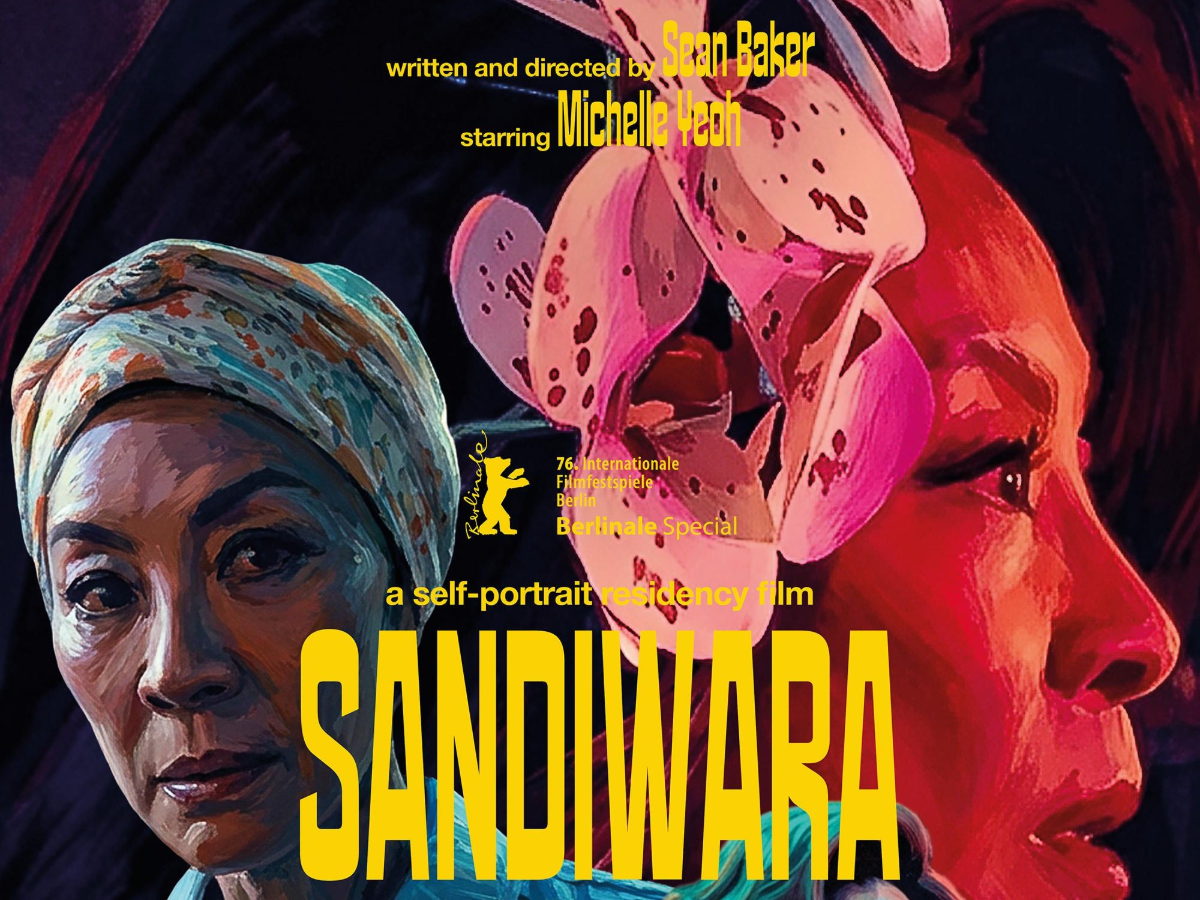
AT just 11 minutes, Sandiwara is a breezy, almost weightless watch. There is no elaborate plot, no real stakes and very little in the way of conventional drama. Instead, the short plays out like a series of character sketches set against the glow of a Malaysian night market.
Written and directed by Sean Baker, the film premiered at the Berlin International Film Festival and marks a collaboration between the US and Malaysia. Shot in Penang on an iPhone and unfolding in Mandarin, English and Malay, it presents itself as a compact cultural snapshot rather than a full narrative.

The main attraction is, without question, Tan Sri Michelle Yeoh, who takes on multiple roles. She plays The Critic, The Hawker, The Waitress, The Vlogger and The Singer, each representing a different slice of urban Malaysian life.
Yeoh’s range is the film’s strongest asset, but it is also impossible to ignore the shadow cast by Everything Everywhere All at Once (2021). Seeing her shift so effortlessly between personalities makes comparisons inevitable. Like that Oscar-winning performance, Sandiwara leans heavily on Yeoh’s ability to recalibrate her physicality, voice and energy from one character to the next.
The difference is scale. Where Everything Everywhere All at Once used its multiversal chaos to deepen character and emotion, Sandiwara treats the device more as a showcase. It highlights her versatility without fully interrogating what those identities mean or how they connect.
Yeoh’s multiple characters
The Waitress feels genuinely young and energetic, a contrast to Yeoh’s real-life poise and stature. The Hawker is grounded and hardworking, devoted to her craft in a way that feels authentic to Penang’s food culture. The Critic, all sharp edges and raised brows, is analytical and difficult to impress.
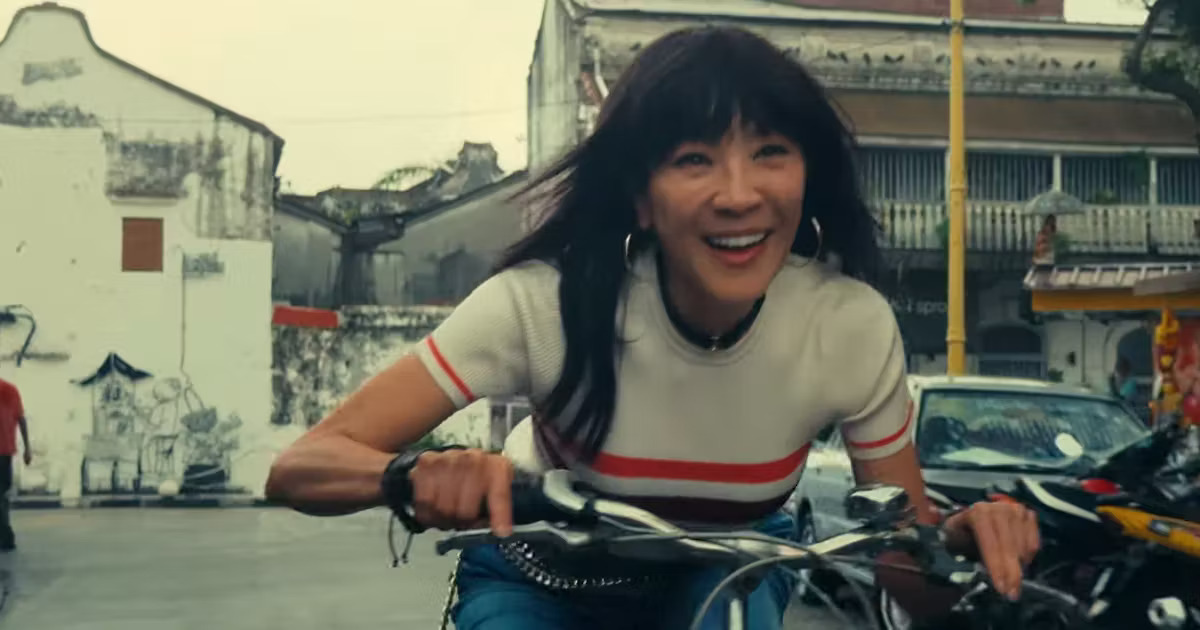
The Vlogger is the most contemporary figure. She is lively and performative in front of the camera but colder behind it, occasionally cruel to her cameraman. It is one of the few moments where the film hints at tension, even if it never pushes far enough to create real discomfort. The Singer appears briefly, offering little beyond a stylish musical interlude.
All these personas converge at Red Garden Food Paradise, a real hawker centre in George Town. The setting is visually rich, packed with neon lights, sizzling woks and tight alleyways. Baker clearly enjoys using Penang’s old streets as a backdrop. The colonial facades, textured walls and night market bustle give the short a lived-in feel.
Aesthetic over organic
Yet there are jarring touches. Vintage cars glide past modern Perodua Myvis, creating a visual contrast that feels more aesthetic than organic. At times, Penang seems staged as a postcard, carefully framed rather than fully explored.
More notably, the cultural lens feels narrow. Despite Penang’s deep and diverse mix of Malay, Chinese, Indian and other communities, the film appears to focus almost exclusively on the Chinese side of the island. For a project that claims to represent facets of Malaysian culture rarely explored, the selective gaze feels like a missed opportunity.
For viewers familiar with Baker’s work, the restraint is also striking. His films often probe sex, desire and marginalised lives with discomforting intimacy. Sandiwara is far more polished and subdued, closer to a fashion film than the raw social dramas that built his reputation. That does not make it bad. It is simply slight.
As a showcase for Yeoh, it works. She shifts between characters with ease, never slipping into parody. As a story, however, it barely lingers once the credits roll.
In the end, Sandiwara feels less like a full meal and more like a tasting platter. Visually appealing, occasionally sharp, but not quite filling.
READ MORE:
Wuthering Heights review: Lovers in ruin
Night King review: Finding family spirit in unexpected places
Send Help review: Sam Raimi returns to horror with twisted island thriller
TV Show review: Wonder Man ditches capes and tights



