




Table of Contents
Gemini flags threats before they reach users
As cyberthreats continue to evolve, tech entities seeking to combat, stop or minimise the likelihood of attacks are evolving along with it, such as how Google’s Gemini-powered tools’ improved ability to detect and stop bad ads allowed them to catch over 99% of policy-violating ads throughout 2025.
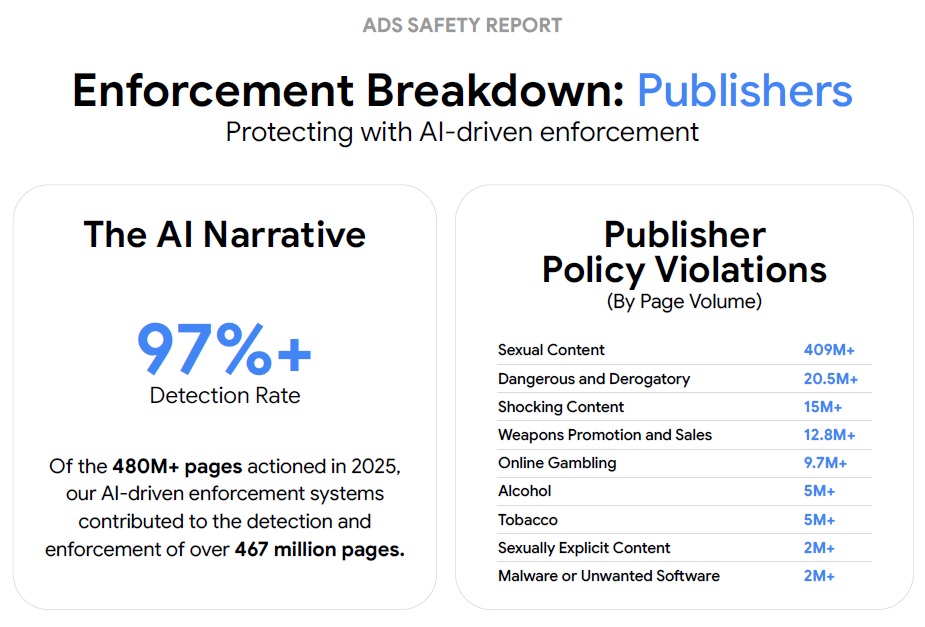
Though the teams at Google have long used advanced artificial intelligence (AI) to identify and stop scammers, the use of Gemini saw the company’s models analyse hundreds of billions of signals, including account age, behavioural cues and campaign patterns to stop threats before they reach people.
According to Google’s safety report, unlike previous keyword-based systems, the latest models are able to better understand intent and help spot malicious content and preemptively block it. This proactive approach helped to defend against bad actors.
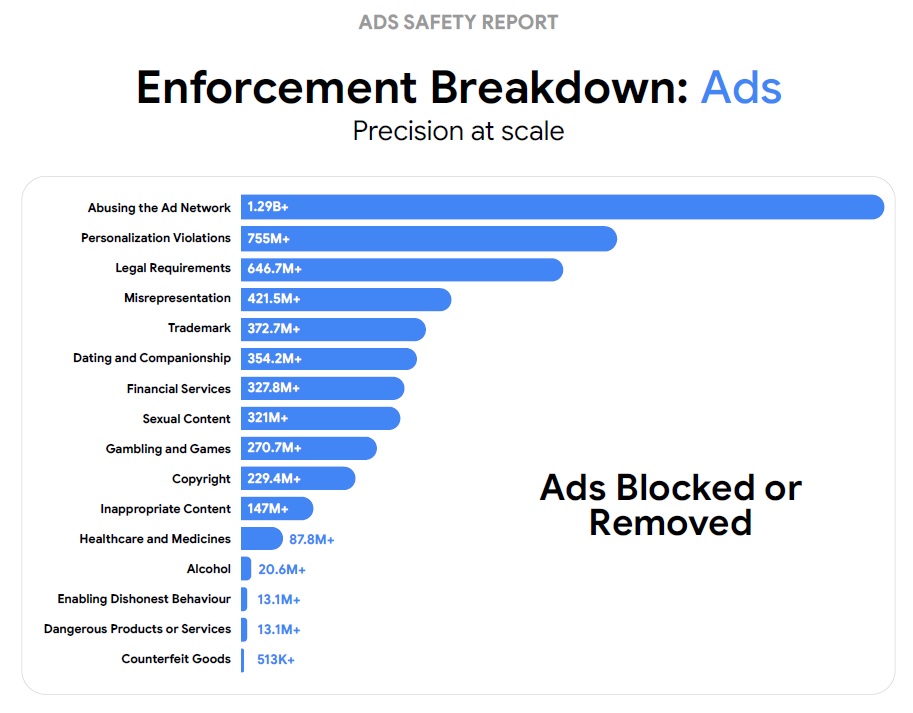
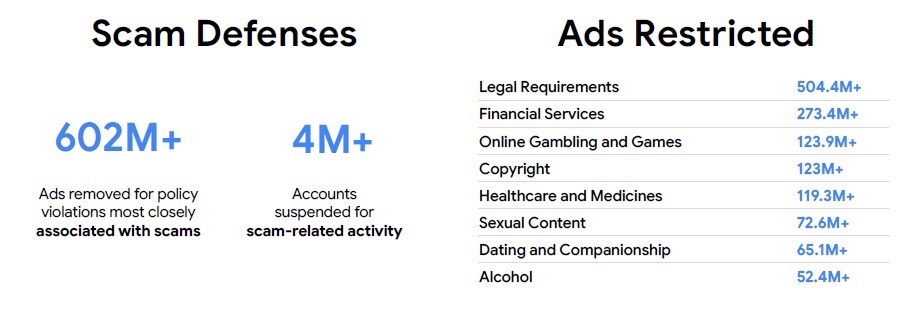
In 2025, Google blocked or removed over 8.3 billion ads and suspended 24.9 million accounts, including 602 million ads and four million accounts associated with scams.
Working faster than scammers
With bad actors leveraging generative AI to create deceptive ads, Gemini is helping Google to detect and block these ads in real time.
For example, by the end of last year, the majority of Responsive Search Ads created in Google Ads were reviewed instantly and harmful content was blocked at submission.
Beyond just image and text pattern detection, it reduced incorrect advertiser suspensions by 80% last year due to being able to distinguish between credible offers and intricate lures.
Gemini also helped the company to process user feedback more efficiently, allowing Google’s teams to take action on more than four times as many user reports in 2025 than in the year prior.
READ MORE:
Vox machina: When AI takes over your voice
Meet the innovative students solving everyday problems
Picture books today: Keeping pages fresh
Latest-gen camera picks to shoot your shots in style



