





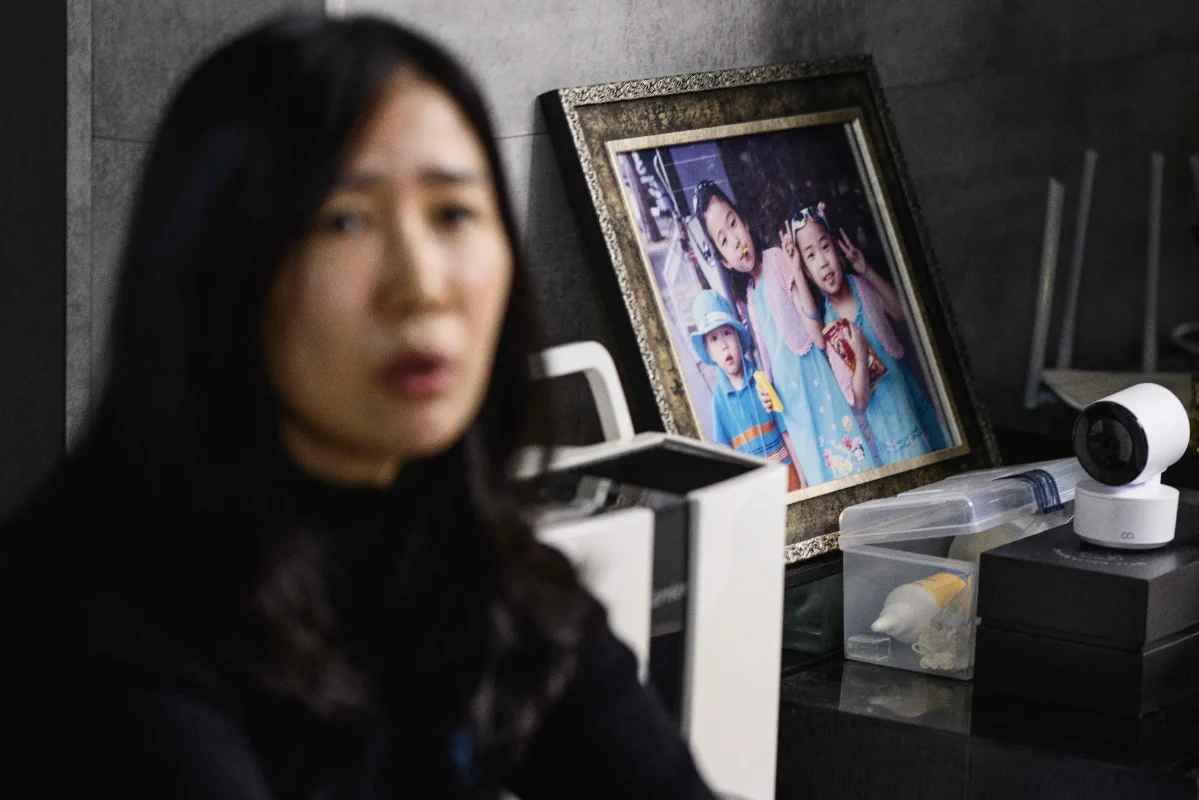
Relatives of 179 victims gather at closed Muan airport, questioning the official probe and a concrete structure that breached safety guidelines.
MUAN: Grieving families continue to seek answers one year after South Korea’s deadliest airline disaster killed 179 people.
Jeju Air Flight 2216 struck a flock of birds while landing at Muan International Airport from Thailand on 29 December 2024.
The forced belly landing sent the aircraft crashing into a concrete structure at the runway’s end, with only two flight attendants surviving.
Relatives of the victims gather weekly at the airport, which has remained closed to commercial flights since the crash.
They express deep mistrust over the official investigation, which has pointed to pilot error.
A key unresolved question is why a concrete block housing antenna localisers was at the runway end, contravening international aviation safety guidelines.
Official guidelines state such navigation structures should be made of frangible, or breakable, material.
Blue ribbons symbolising the victims adorn the airport’s departure terminal, where families maintain a vigil.
Banners criticise the investigation, with one reading: “A country incapable of protecting citizens is not a country. We demand answers!”
Park In-wook, 70, who lost five family members including his wife and grandchildren, returns every weekend.
“In the first days, I felt like I was dreaming,” Park said.
Families’ anger intensified after an interim report in July emphasised the pilot’s decision to shut down an engine.
The report did not address the non-frangible concrete structure at the runway’s end.
A post-crash nationwide inspection found six other airports with localisers housed in concrete or steel structures.
Five have been retrofitted with breakable material, with the last scheduled for next year, according to the transport ministry.
“The July report highlights the government’s attempt to frame the accident as being caused mainly by pilot error,” said Ko Jae-seung, 43, who lost both parents.
“An official investigation should not be about assigning blame to individuals but about examining the systems and conditions that made the accident inevitable.”
Lee Hyo-eun, whose 24-year-old daughter Ye-won died, believes the pilots did their best.
“They managed to land the plane on its belly against all odds, with everyone still alive at that point, without knowing there was a concrete structure ahead of them,” Lee said.
“Everyone could have survived — only with injuries — if it had been a mound of earth.”
At her home in Gwangju, photographs and letters remember her daughter, a cello instructor.
“Sometimes it feels like she just hasn’t come home from her vacation,” Lee said.
“I find myself wondering when she will.”



