




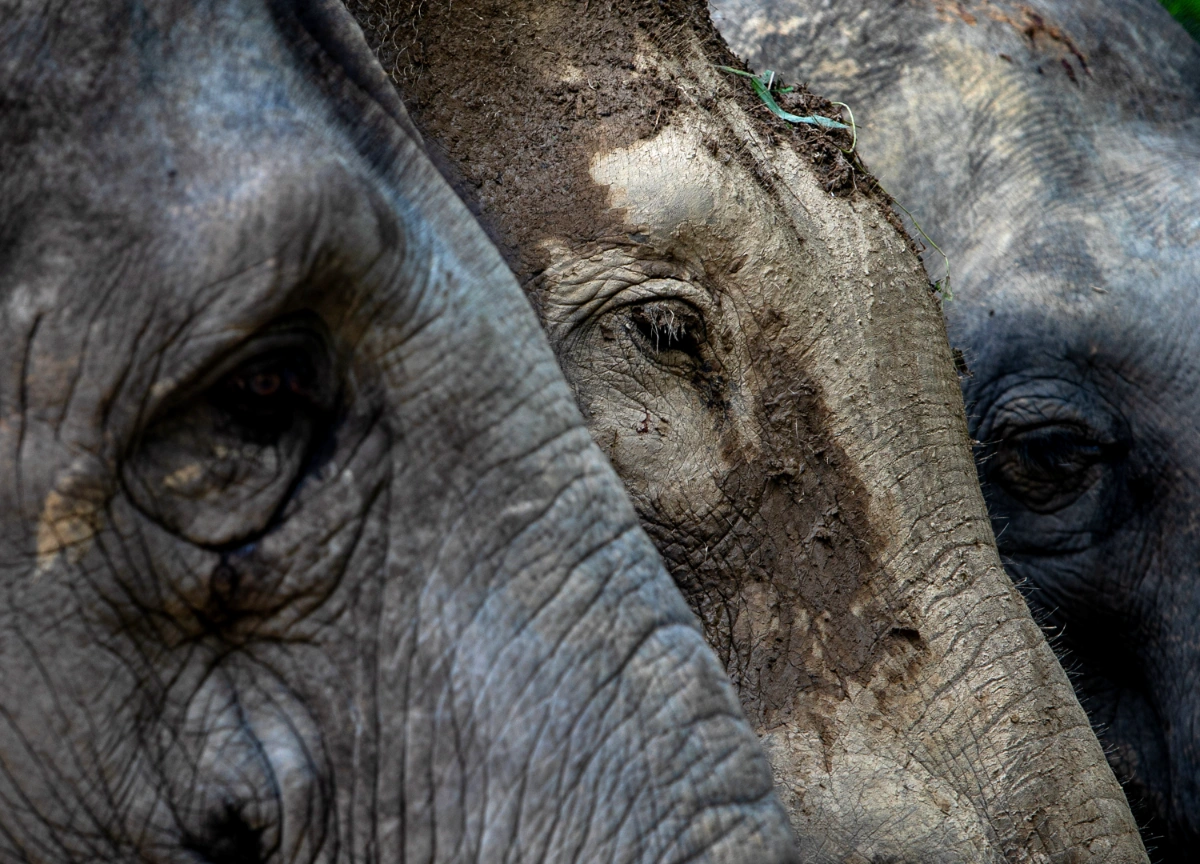
Sabah considers expanding the Tawau elephant sanctuary model to other districts if it proves effective in reducing human-wildlife conflict.
KOTA KINABALU: A proposed elephant sanctuary model in Tawau could be expanded to other districts in Sabah if it proves effective in reducing human-wildlife conflict, the Sabah State Legislative Assembly was told today.
Sabah Assistant Minister of Tourism, Culture and Environment Datuk Dr Andi Md Shamsureezal said the state government is studying the proposal with the Sabah Wildlife Department and other relevant stakeholders as an initial step to address the issue.
“This is an initial step that we will observe, and if it proves successful, we will bring this modus operandi to other districts,” he said.
He was responding to a supplementary question from Datuk Seri Mohd Shafie Apdal (Warisan-Senallang), who proposed that the state government designate a dedicated area for wildlife that could also serve as a tourism attraction.
Responding to a question from Arunarnsin Taib (Warisan-Gum-Gum) on measures to address wildlife damage to crops and farmers’ livelihoods, Andi said the state government, through his ministry and the Sabah Wildlife Department, continues to implement appropriate measures to manage such conflicts.
Andi said the government’s approach includes immediate measures to reduce conflicts involving Bornean elephants, wild boars, monkeys and other species, alongside long-term strategies based on each species’ ecology, the causes of conflict and local conditions.
According to him, capturing and relocating wildlife is not a long-term solution because it merely shifts the problem elsewhere without addressing the root causes of the conflict.
“Among the initiatives implemented are the establishment of elephant ranger teams involving local communities in conflict areas, and the fitting of satellite collars on selected elephants to monitor their movements and provide early warnings to at-risk communities,” he said.
The Sabah Wildlife Department is also carrying out controlled monkey population management in selected areas to reduce zoonotic diseases risk and safeguard public safety, while wild boar control measures are implemented in accordance with legal provisions, risk assessments and complaints from affected areas, he added.



