




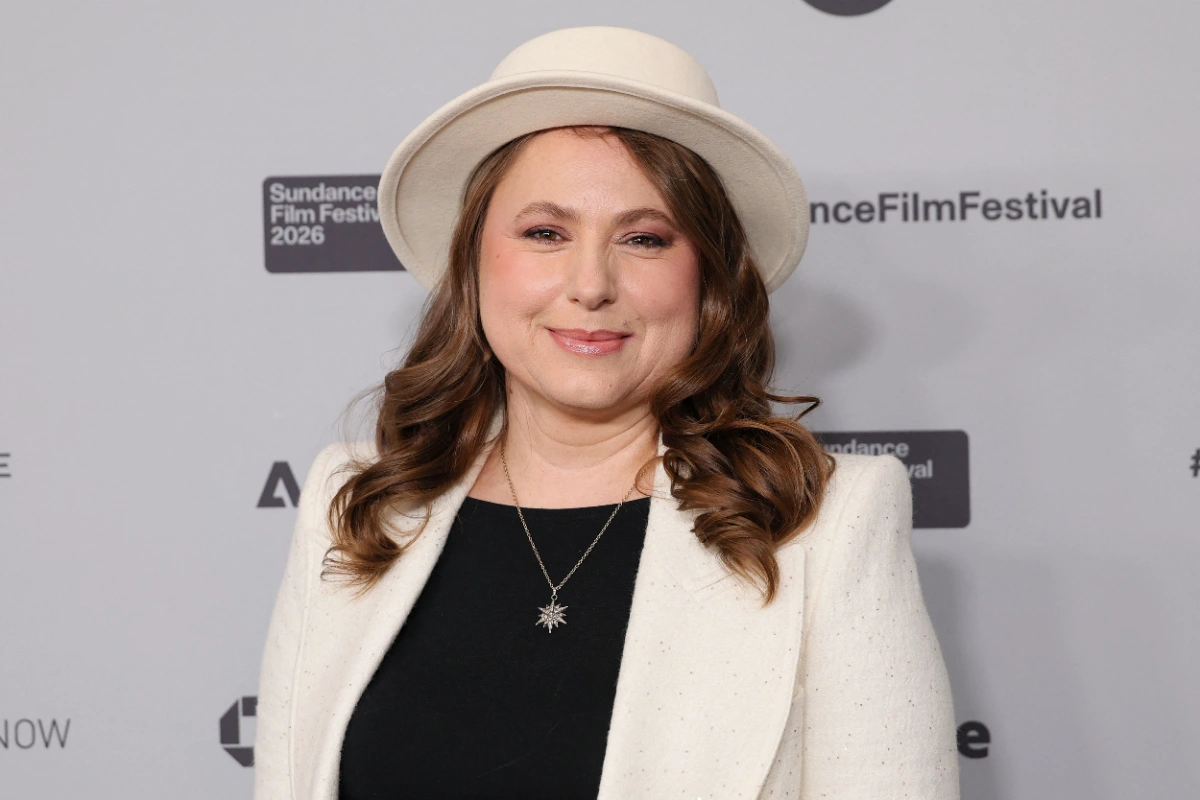
Chess superstar Judit Polgar turns down Hungarian presidency, citing lack of strength to unite a divided nation as PM Magyar proposed her.
BUDAPEST: Chess superstar Judit Polgar has turned down an offer to become president after being nominated for the office by Hungarian Prime Minister Péter Magyar, reported German Press Agency (dpa).
Polgar wrote on her Facebook page that she appreciated the prime minister’s gesture of proposing her as an independent, non-partisan candidate.
“At the same time, I do not feel I have the strength within me to take on the historic responsibility of uniting a divided nation,” she wrote.
Magyar had proposed 49-year-old Polgar for the highest office in the country on Sunday. He had written on his Facebook page that she owed her successes “not to political ties or connections, but to her exceptional talent.”
The position of head of state has been vacant in Hungary for the past week, after a constitutional amendment came into force that removed the previous incumbent, Tamas Sulyok, from office.
Sulyok had been appointed under Magyar’s predecessor, the right-wing populist Viktor Orbán, and became untenable for the new government after Magyar’s centre-right Tisza Party won a landslide victory in the April 12 election.
Parliament Speaker Ágnes Forsthoffer of the Tisza Party assumed the president’s duties on an interim basis on Monday. Parliament must elect a new head of state within 30 days.
Polgar is regarded as the world’s greatest female chess player of all time.
She mainly competed in men’s tournaments and defeated grandmasters such as Garry Kasparov and Anatoly Karpov.
In July 2005, she was ranked eighth in the world chess rankings – making her, to this day, the only woman to have made it into the top 10 of the world’s best chess players.
In 2014, she ended her career in top-level chess.
Since then, she has devoted herself to her foundation, which helps children and young people develop logical and problem-solving skills.
Magyar had apparently not discussed her nomination for the presidency with Polgar. He had merely expressed his hope that Polgar would accept the offer.
The move drew unusually strong criticism from some of Magyar’s supporters.
While the Tisza parliamentary group said it unanimously backed Polgár’s candidacy, supporters and some political analysts criticised the lack of a broader public debate over who should fill the country’s highest office.



