



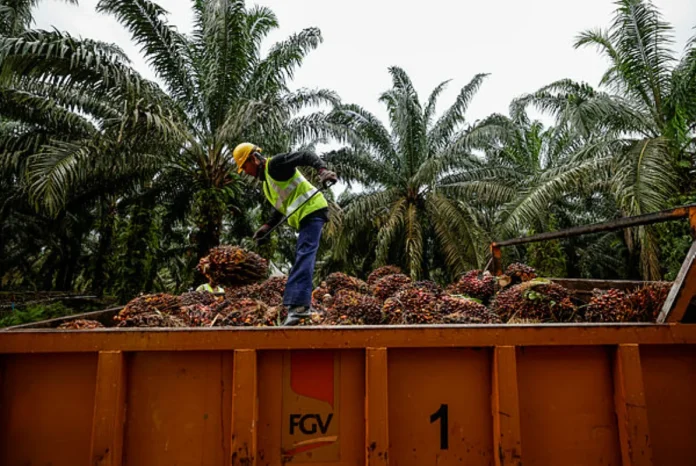
Malaysia combats palm oil discrimination with tailored trade diplomacy, diversifying markets and boosting high-value exports to new regions.
KUALA LUMPUR: The government is employing a dynamic trade diplomacy strategy to counter discrimination against Malaysian palm oil.
Plantation and Commodities Minister Datuk Seri Dr Noraini Ahmad said the ministry tailors its approach to meet the specific needs of key international markets.
She outlined a comprehensive strategy focusing on compliance, market diversification and value-added activities within the industry.
Initiatives include targeting premium oil markets and encouraging industry transformation towards high-value products.
ALSO READ: Palm oil remains driver of Malaysian agricultural sector’s growth
“We are strengthening the implementation of MSPO 2.0 to ensure that palm oil meets international standards,” Noraini said in Parliament.
She was responding to a supplementary question on measures to enhance exports amid international discrimination.
The ministry, through the Malaysian Palm Oil Council, is actively diversifying markets to reduce reliance on traditional buyers.
It is strengthening its presence in high-potential regions like Sub-Saharan Africa, the Middle East, North Africa and ASEAN.
As a result, 50% of Malaysia’s total palm oil exports went to these new markets in 2025.
Traditional markets like India, China and the European Union accounted for 30% of exports, down from 43% in 2024.
The establishment of a Palm Oil Research and Technical Service Institute in Shanghai has also bolstered ties.
Noraini said the institute strengthens Malaysia-China relations through technology transfer and product innovation. – Bernama



