




Prolonged drug use alters brain physiology, making it difficult for those with addiction to return to normal functioning, significantly increasing the likelihood of relapse even after treatment.
PETALING JAYA: Malaysia may boast an 80% drug recovery rate but experts say the figure masks a more troubling reality that new users are entering the system faster than old ones are leaving it.
Universiti Sains Malaysia Centre for Drug Research professor Dr Zurina Hassan said while enforcement agencies, including police and the National Anti-Drugs Agency, have played an important role through arrests, seizures and rehabilitation programmes, these measures alone do not address the root causes of drug abuse.
READ MORE: Syabu, meth linked to most drug cases
“Malaysia has been strong in enforcement but underlying drivers such as peer influence, family conflict, curiosity, easy access to drugs and weak family or school support remain major challenges.”
As a neuroscientist, Zurina said prolonged drug use alters brain physiology, making it difficult for those with addiction to return to normal functioning, significantly increasing the likelihood of relapse even after treatment.
She said the government has established its first dedicated correctional centre for drug addicts in Chenderiang, Perak, offering specialised rehabilitation through structured treatment modules.
On why Malaysia could report an 80% recovery rate while drug abuse remains widespread, Zurina said both figures could coexist because they measure different outcomes.
“The recovery rate reflects those who successfully complete treatment while national drug abuse figures include new users as well as those who relapse.”
She added that high relapse rates, insufficient prevention efforts in schools, families and online spaces, and a steady flow of new users continue to fuel overall drug abuse numbers.
“The fact that many drug users are between the ages of 15 and 39 shows that new exposure among young people remains a serious concern.”
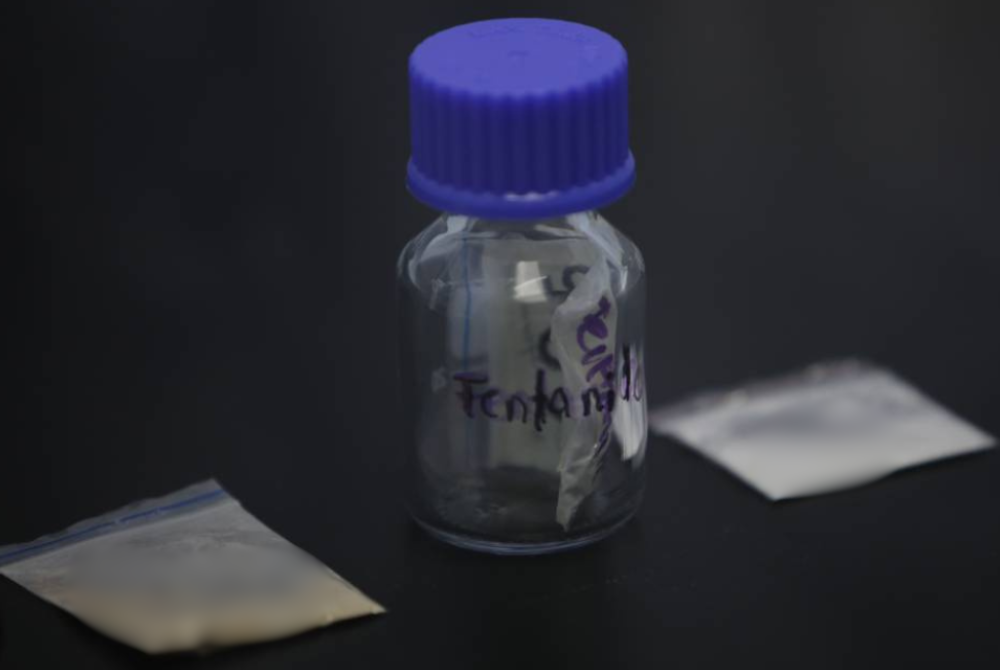
On the emergence of fentanyl-laced vape liquids, Zurina cautioned that early signs of the drug’s local presence should not be dismissed. Fentanyl, a synthetic opioid used medically for severe pain management, is 50 to 100 times more potent than morphine and can cause fatal respiratory depression even in extremely small doses.
“Although Malaysia has not experienced a fentanyl crisis on the scale of the United States or Canada, reports have already detected fentanyl and its analogues in vape liquids locally.
“If these substances begin appearing more frequently in overdose cases, emergency admissions or school-related incidents, authorities should treat it as an early-stage escalation rather than waiting for a full-blown crisis.”
Zurina said Malaysia should prioritise an early intervention system enabling teachers, school counsellors and healthcare workers to identify and refer at-risk youths before substance abuse escalates into addiction. “Public awareness campaigns alone are not enough.
We need a coordinated referral system in which educators and healthcare providers can quickly connect vulnerable students with professional help while engaging their families from the beginning.”
She proposed expanding specialised rehabilitation for offenders convicted under Section 39C of the Dangerous Drugs Act, which covers repeated drug consumption offences carrying sentences of fewer than five years.
She said housing such offenders separately from other criminals would allow rehabilitation based on biopsychosocial and spiritual therapeutic approaches, improving prospects for long-term recovery and reducing relapse.



